
Introduction
The #AgricultureSector stands at the intersection of technological innovation, sustainability mandates, and shifting consumer demands. As global populations grow and climate pressures intensify, farming companies are tasked with optimizing productivity while reducing environmental impact. For small to mid-sized enterprises, strategic foresight and operational efficiency are no longer optional—they are essential to remain competitive in a rapidly evolving market. The role of leadership in navigating these challenges has never been more critical, highlighting the importance of executive search recruitment in securing talent capable of guiding organizations toward a sustainable, profitable future.
Agricultural businesses today are embracing digital transformation, advanced farm management systems, and precision agriculture technologies. These innovations are reshaping the operational landscape, requiring leaders who can align farm operations with technological and regulatory shifts. Companies that integrate strategic workforce planning with modern farming practices position themselves to maximize yield, efficiency, and resilience.
Technological Advancements in Agriculture
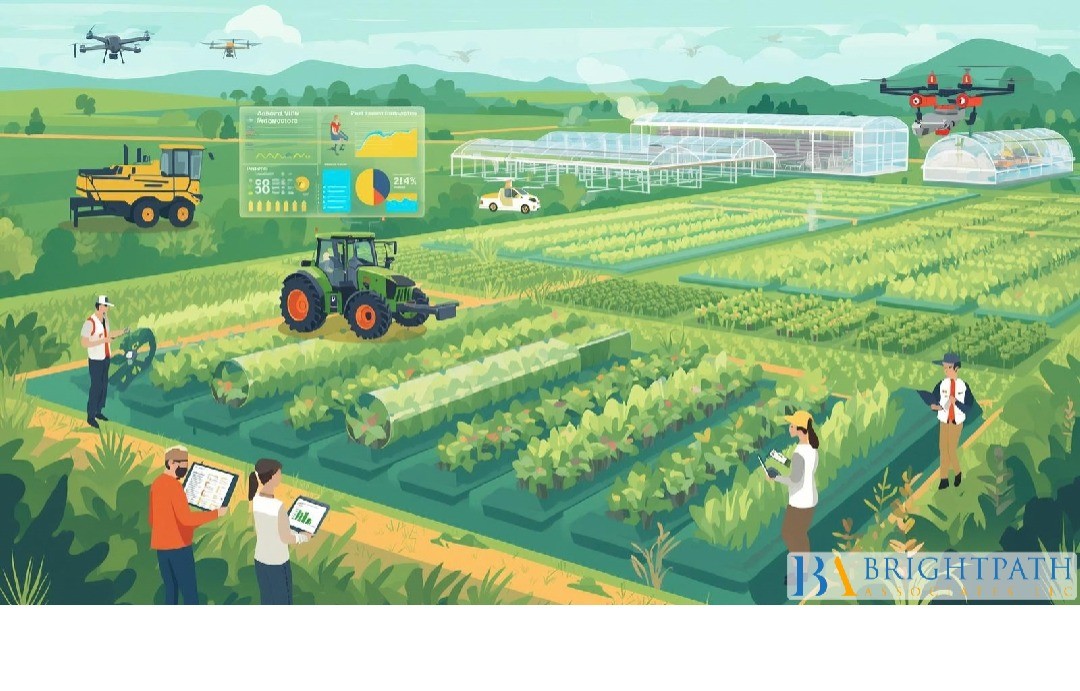
Modern farming is driven by a convergence of technologies designed to optimize crop yield, monitor environmental conditions, and streamline resource utilization. Precision agriculture, for example, leverages GPS mapping, IoT sensors, and data analytics to provide real-time insights into soil health, irrigation needs, and crop growth. By using these tools, farmers can reduce waste, improve crop quality, and make informed decisions that enhance long-term productivity.
Digital farming platforms, including farm management software, enable seamless integration of operational data, equipment tracking, and workforce planning. These systems facilitate real-time reporting, resource allocation, and strategic planning across multiple sites, ensuring that farm operations are both scalable and efficient. Leaders capable of understanding and implementing these technologies are critical for driving operational excellence in modern agricultural enterprises.
In addition, sustainable farming practices are increasingly tied to technology adoption. From automated irrigation systems to smart fertilizers, innovations are helping businesses achieve higher productivity while minimizing environmental impact. The deployment of such technologies requires executives with both technical acumen and strategic vision to balance operational efficiency with sustainable practices.
Sustainable and Organic Farming Practices
Sustainability has become a cornerstone of contemporary #AgriculturalStrategy. Consumers are demanding organic, responsibly sourced produce, and regulatory pressures encourage reduced chemical usage and lower carbon footprints. Small and mid-sized farming companies must adopt sustainable agriculture practices to maintain market relevance and secure long-term growth.
Organic farming and regenerative agriculture practices provide multiple benefits, including improved soil health, water conservation, and ecosystem resilience. Leaders who can integrate these practices into broader business strategies enable companies to meet consumer demands while maintaining profitability. Executive talent capable of navigating sustainability initiatives, certifications, and eco-compliance ensures that organizations maintain credibility and competitive advantage in increasingly regulated markets.
Furthermore, sustainable agriculture investment presents opportunities for growth and partnership. Investors and government programs are increasingly targeting farms that demonstrate a commitment to ecological stewardship, creating a strategic imperative for executives to lead sustainability-focused initiatives.
Data-Driven Decision Making in Agriculture
The modern agricultural landscape relies heavily on data analytics to drive operational and strategic decisions. Farm management software, IoT devices, and predictive analytics provide insights that inform planting schedules, pest management strategies, and resource allocation. Businesses that effectively harness these tools can optimize yield, reduce operational costs, and respond proactively to environmental challenges.
Data-driven approaches also allow for continuous monitoring of farm equipment, labor efficiency, and supply chain logistics. Companies that integrate analytics into their decision-making processes can anticipate challenges, mitigate risks, and ensure smooth operations across their farms. Leaders with experience in data analytics and digital farming technologies are critical in leveraging these insights for #BusinessGrowth and resilience.
Workforce Evolution and Talent Needs
While technology drives efficiency, human expertise remains central to agricultural success. Farming companies are facing talent shortages, particularly in executive roles that require both technical knowledge and strategic leadership. Shifting role expectations have placed new demands on leaders, who must now combine operational oversight with technology integration and sustainability strategy.
The adoption of advanced technologies and sustainable practices necessitates upskilling and reskilling initiatives. Farm employees must develop competencies in data analytics, equipment operation, and digital workflow management. Executives overseeing these programs must ensure that workforce capabilities align with organizational objectives and technological requirements.
The shortage of leadership talent capable of bridging traditional agricultural expertise with modern operational demands has made executive search recruitment a strategic priority. By sourcing skilled leaders, organizations can mitigate risk, enhance decision-making, and maintain competitiveness in a rapidly evolving industry.
Executive Search Recruitment in Agriculture
#ExecutiveSearchRecruitment plays a pivotal role in addressing leadership gaps within the agriculture sector. Identifying professionals who combine experience in farming operations with proficiency in emerging technologies and sustainability initiatives is crucial. Specialized recruitment approaches ensure that businesses secure executives who can drive innovation, optimize resources, and lead teams effectively.
Recruiting top talent also involves understanding sector-specific challenges, such as regulatory compliance, market volatility, and evolving consumer demands. Executive search partners provide access to a broader talent pool and assess candidates against strategic business objectives. This approach ensures alignment between leadership capability and long-term organizational goals.
For small to mid-sized farming companies, effective executive recruitment translates into stronger operational leadership, enhanced technological integration, and the ability to implement sustainable and efficient practices across farm operations.
Strategic Vision for Growth and Innovation
Successful agricultural companies recognize that growth is not solely dependent on land, equipment, or supply chain logistics; it requires visionary leadership capable of harnessing technology, sustainability, and workforce development. Executives must develop strategies that balance immediate operational efficiency with long-term growth, innovation, and environmental stewardship.
Implementing precision agriculture technologies, advanced farm management software, and sustainable farming methods requires coordinated planning across multiple departments. Leaders must ensure that these initiatives are fully integrated into operational workflows while maintaining flexibility to adapt to market changes.
Strategic vision in agriculture also involves aligning business objectives with investor expectations, government programs, and emerging market opportunities. Leaders equipped with this foresight can position their organizations to capitalize on innovation-driven growth while mitigating risks associated with operational and environmental challenges.
Conclusion
The state of agriculture is at a pivotal point, where #TechnologicalAdvancement, sustainability, and strategic leadership converge to shape the future of the industry. For small to mid-sized farming companies, maximizing operational efficiency, adopting sustainable practices, and leveraging data-driven decision-making are key to long-term success.
Leadership talent is central to this transformation. Executive search recruitment ensures that businesses secure skilled professionals capable of navigating the complexities of modern agriculture, from technology adoption to sustainability integration. By prioritizing strategic leadership and workforce development, organizations can position themselves for resilience, innovation, and growth in an increasingly competitive market.
Companies that embrace these principles—aligning technology, sustainability, and talent strategy—will not only optimize current operations but also establish a strong foundation for future success in the evolving landscape of modern agriculture.
Find your next leadership role in Farming Industry today!