
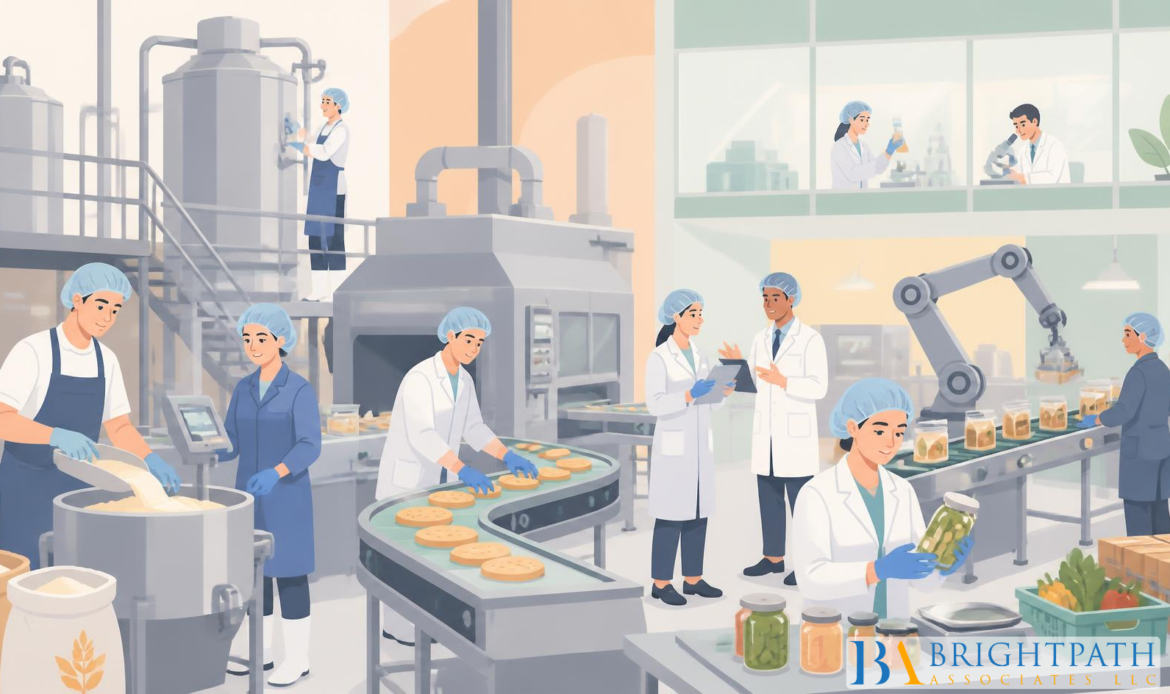
[Bethany, Connecticut – 15 October 2026] – BrightPath Associates is highlighting the role of modern apprenticeships in Food Engineering in addressing workforce shortages and preparing professionals for increasingly automated manufacturing environments. As food manufacturers invest in digital production systems, robotics, and intelligent process controls, structured apprenticeship programs can help businesses develop practical engineering skills, strengthen operational performance, and build a sustainable talent pipeline. The initiative is particularly relevant to C-suite executives in the Industrial Automation Industry who must balance technology investments with workforce readiness, production efficiency, and long-term business growth.
Food manufacturing is becoming more technologically advanced, requiring employees who understand both production processes and modern engineering systems. However, gaps between traditional education and the practical skills needed on factory floors can make recruitment challenging. Apprenticeships offer a way to combine classroom learning with supervised workplace experience, allowing emerging professionals to develop relevant technical capabilities while helping employers prepare their future workforce.
Modern Apprenticeships Address the Food Engineering Skills Gap
Food manufacturers operate in a demanding environment where product quality, food safety, equipment reliability, and production speed must work together. As facilities introduce more automated production lines, businesses need professionals who can understand machinery, troubleshoot operational issues, interpret production data, and maintain consistent manufacturing standards.
Modern apprenticeships help bridge this gap by combining technical instruction with hands-on training. Participants can gain experience with production equipment, process monitoring, maintenance procedures, quality assurance, and automation technologies. Employers can also align training with their specific operational needs, helping apprentices develop skills that apply directly to real manufacturing challenges.
For a deeper understanding of this workforce strategy, BrightPath Associates explores how Modern Apprenticeships in Food Engineering Can Bridge the Manufacturing Skills Gap. The approach offers food manufacturers a practical way to develop talent internally rather than relying entirely on an already competitive external labor market.
Industrial Automation Creates New Technical Skill Requirements
The growth of Industrial automation is changing the capabilities required across food processing, packaging, and distribution operations. Automated production lines increasingly depend on programmable logic controllers, robotics, sensors, digital monitoring, and integrated control platforms. Employees must understand how these technologies interact with production processes to maintain consistent output and minimize downtime.
Training in PLC programming service environments can help apprentices understand how industrial controllers manage equipment sequences, machine operations, and safety interlocks. Exposure to SCADA systems can introduce them to supervisory monitoring, production data collection, and operational decision-making. Similarly, Robotics integration and Industrial machine vision training can prepare workers to support automated handling, inspection, packaging, and product-quality checks.
These capabilities are increasingly important for businesses implementing Automation solutions manufacturing strategies. By connecting technical training with practical experience, companies can prepare employees to work with modern Control systems and support more reliable Manufacturing automation. For executives exploring these technologies, the Industrial Automation Industry provides a broader view of the sector and its evolving business and workforce needs.
Executive Leadership and Recruitment Support Automation Growth
Successful apprenticeship programs require leadership commitment, collaboration between training providers and employers, and a clear understanding of future workforce needs. Companies should identify the technical capabilities required over the next several years and build training pathways that reflect their automation roadmaps. This may include digital troubleshooting, robotics, industrial networking, equipment maintenance, and data-driven production management.
Executive search recruitment can complement these efforts by helping organizations identify experienced leaders who understand workforce planning, manufacturing operations, and technology adoption. Industrial automation executive search is especially relevant when companies need senior professionals capable of aligning engineering teams, capital investment, and talent development with long-term growth plans.
As food manufacturers expand automation, combining external leadership recruitment with internal skills development can create a more balanced workforce strategy. Apprenticeships help build future technical talent, while experienced executives provide the direction needed to implement technology responsibly, improve production performance, and prepare operations for changing market demands.
About BrightPath Associates
BrightPath Associates is a U.S.-focused executive search and recruitment firm that helps organizations identify leadership and specialized talent across multiple industries. Its mission is to connect businesses with professionals who can support operational excellence, innovation, workforce development, and sustainable growth. By helping employers address evolving talent requirements, BrightPath Associates supports strategic hiring decisions in competitive industrial markets.
Media Contact:
Name: Corporate Communications Team
Company: BrightPath Associates
Email: media@brightpathassociates.com
Website: https://brightpathassociates.com