
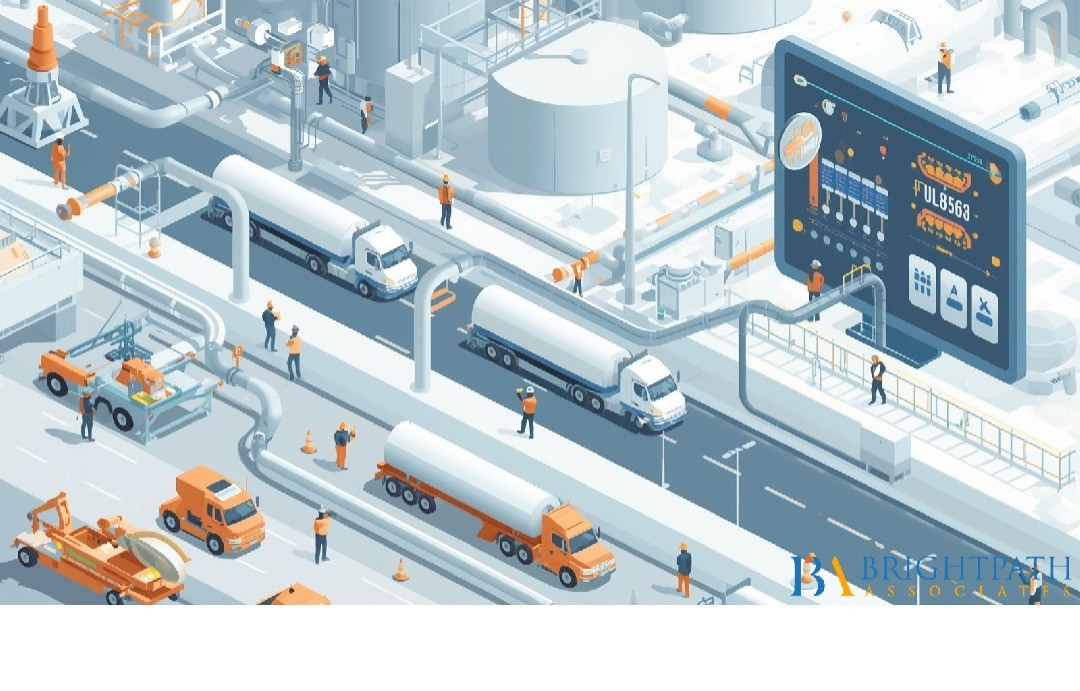
Understanding Midstream Oil and Gas Logistics
In the oil and #GasSector, midstream logistics stands as a crucial component, bridging the gap between upstream exploration and downstream distribution. This phase focuses on the transportation, storage, and marketing of petroleum products, orchestrating these elements to ensure a seamless energy supply chain that meets the growing global demand for energy. The midstream supply chain encompasses a variety of key players, including pipeline operators, storage facilities, transportation companies, and marketing entities, each contributing to the efficiency of energy distribution. Understanding the dynamics of midstream logistics is essential, as it plays a pivotal role in optimizing oil and gas supply chains, ultimately affecting operational efficiencies and cost structures for companies involved. With an increasing emphasis on both efficiency and sustainability, mastering midstream logistics can provide companies with a competitive advantage in a rapidly evolving energy landscape.
Industry Trends Affecting Midstream Logistics
The energy industry is constantly evolving, and several current trends significantly impact midstream logistics. Advanced oil drilling technology, for instance, enhances extraction efficiency and influences the logistical aspect by altering the volume and frequency of product movement. As new technologies become available, they streamline processes and reduce costs associated with exploration and extraction. Similarly, the growth of petroleum engineering services requires adaptations in logistical approaches to meet increasing and varied demand while ensuring compliance with regulatory standards. Companies are leveraging these advancements to boost efficiency, driving down costs, and enhancing the reliability of supply chains. Another significant trend is the movement towards sustainable energy solutions, which is reshaping logistics practices. This movement necessitates more environmentally friendly and efficient methodologies that align with global sustainability goals. Companies are increasingly adopting practices such as carbon capture and storage, and investing in renewable energy sources, which impact the traditional logistics frameworks. These trends underscore the necessity for midstream operators to be adaptable and forward-thinking in order to capitalize on new opportunities and mitigate potential risks posed by these changes.
Challenges in the Midstream Supply Chain
#OilfieldServices companies face multifaceted challenges in midstream logistics. Transporting large quantities of oil and gas over vast distances demands infrastructural efficiency and operational excellence. The complexity of varying pipeline infrastructures, varying terrain conditions, and the need for specialized transportation equipment complicate logistics further. Additionally, the volatility of global oil and gas market dynamics compounds these logistical challenges, influencing everything from pricing to supply schedules. Factors such as geopolitical tensions, natural disasters, and fluctuations in demand necessitate highly flexible logistics strategies. Furthermore, transportation and storage constraints present significant hurdles, particularly as regulations around safety and environmental impact continue to evolve. Innovative solutions are required to overcome these challenges, such as deploying more resilient transportation networks and enhancing storage technologies to handle fluctuations in supply and demand more effectively. Developing predictive analytics and real-time monitoring systems can significantly improve response times to changing conditions and market demands, giving companies a strategic edge.
Strategic Solutions for Streamlining Supply Chains
To streamline supply chains in the oil and gas industry, companies are increasingly turning towards the strategic implementation of advanced logistics technologies, particularly in refinery operations management. By adopting sophisticated tracking and monitoring systems, refineries can optimize workflows, reduce waste, and enhance responsiveness to market demands. Moreover, utilizing advanced data analytics can help in forecasting needs and managing inventories efficiently, minimizing both overstock and stockouts. Additionally, integrating sustainable energy solutions can significantly boost supply chain efficiency, promoting operational sustainability alongside economic benefits. Transitioning to cleaner fuels and more efficient operational practices not only addresses environmental concerns but also opens up new market segments. Successful innovations in the petroleum industry often involve a combination of new technologies and strategic realignments, with companies, particularly those focusing on logistical enhancements, setting benchmarks in operational performance. Collaborative logistics models that improve communication and coordination among all supply chain stakeholders are proving essential in achieving these enhancements.
The Role of Executive Search Recruitment in the Energy Sector
Given the complexities of midstream logistics and the broader energy sector, the role of effective #ExecutiveSearchRecruitment cannot be overstated. Addressing leadership talent shortages in oil and gas jobs in the USA is crucial for maintaining competitive edge in this dynamic landscape. As energy sector investment continues to grow, adapting recruitment practices becomes vital. From 2023 to 2025, strategic evolution in executive search recruitment has emphasized the necessity of aligning leaders’ skills with operational demands, as well as their ability to embrace new technologies and methodologies. Companies are recognizing the importance of recruiting executives who not only possess deep sector knowledge but are also adept at navigating the rapidly shifting landscape of logistics and supply chain management. Furthermore, emphasizing diversity and inclusion in recruitment processes can lead to more innovative solutions and perspectives in tackling the challenges faced within the sector. Organizations that prioritize the development of their leadership teams often see significant improvements in both operational performance and employee retention.
Preparing for the Future of Midstream Logistics
Looking ahead, the landscape of midstream logistics is expected to face both promising opportunities and daunting challenges. Anticipated trends include further technological advancements, rising demand for sustainable processes, and increased regulatory scrutiny. These trends necessitate a proactive approach to management, where anticipation and adaptability are paramount. Leadership will play a critical role in navigating these transformations, with executives required to provide vision and strategic direction that aligns with both market conditions and technological innovations. Executive insights, especially for small to mid-sized oil and gas companies, underscore the importance of proactive supply chain management and innovative problem-solving to enhance competitive viability. Developing robust talent pipelines and fostering a culture of continuous improvement will become increasingly important. Forward-thinking strategies that anticipate industry change, leverage emerging technologies, and align with evolving regulatory frameworks will be key in securing a robust future for midstream logistics. Companies that can successfully integrate forward-looking practices into their strategic planning will be better positioned to thrive in an environment where adaptability is essential.
Conclusion
Streamlining midstream logistics is essential for optimizing the oil and gas supply chain. Addressing the logistical complexities within the #EnergyIndustry can significantly impact a company’s operational success and market competitiveness. Effective logistics management, when combined with strategic executive recruitment and innovative supply chain solutions, positions companies to not only meet current demands but also to adapt to future industry trends with agility. As the sector evolves, embracing technological advancements, prioritizing sustainability, and fostering strong leadership will continue to be critical in achieving long-term success. By investing in these areas, companies will not only enhance their current operations but will also build resilience against the challenges that lie ahead.
Find your next leadership role in Oil and Gas Industry today!
Stay informed with the latest insights on Oil and Gas Industry!