
Introduction
In the rapidly evolving landscape of modern manufacturing, #IndustrialAutomation has emerged as a pivotal component for efficiency and competitiveness. Small teams, often operating within limited resources, are increasingly recognizing the need for specialized automation solutions to remain agile in the face of industrial shifts. This evolution is not merely about adopting new technologies; it also necessitates a fundamental transformation in workforce skills and capabilities. This discussion sets the stage for exploring pertinent industry trends that inform the future of manufacturing, focusing on how the right training can equip small teams to thrive in this dynamic environment.
Understanding the Landscape
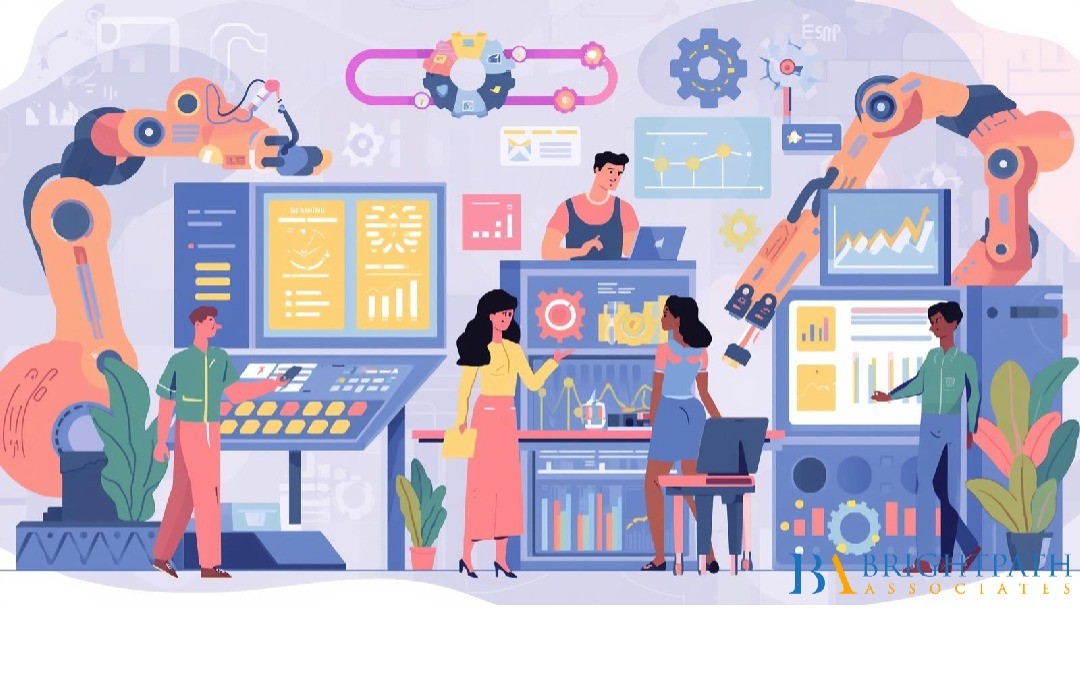
Industrial automation constitutes a broad array of components and technologies, including Programmable Logic Controllers (PLCs), SCADA systems, and manufacturing robotics integration, each playing a crucial role in the automation ecosystem. PLCs are central to process automation, facilitating the control of machinery and processes with precision and reliability. Their programmable nature allows for customization according to specific operational needs, paving the way for optimized workflows. Meanwhile, SCADA systems provide the necessary oversight for real-time data monitoring and analysis, enabling operators to respond promptly to any irregularities that may arise within the production process.
Additionally, manufacturing robotics integration and machine vision represent further transformative elements, enabling levels of precision, speed, and efficiency that are often unattainable by human effort alone. For instance, robotics can perform repetitive tasks with consistent quality, reducing error rates and freeing up human workers for more complex problem-solving roles. These technologies are integral to the harmonious function of today’s advanced industrial setups, making the integration of skilled personnel not only advantageous but imperative to the success of automation initiatives.
Current Trends in Industrial Automation
#AutomationSolutions are dramatically reshaping the manufacturing sector, leading to increased productivity and reduced operational costs across various industries. Control systems and manufacturing automation integration are critical in this context, ensuring cohesive operations and fostering an innovative environment conducive to continuous improvement. As organizations evolve, there is a marked shift towards adopting collaborative robots, or cobots, which work alongside human operators, enhancing overall productivity and allowing for a seamless blend of human and machine capabilities.
An emerging trend is the focus on executive search in industrial automation. As automation technologies advance, the demand for visionary leadership becomes more pronounced. Organizations are now shifting their recruitment strategies towards attracting executives who possess a deep understanding of these technological advancements and the foresight to implement them effectively. This change signifies recognizing that leadership plays a fundamental role in navigating the complexities of technological integration within manufacturing systems, thereby highlighting the importance of both soft and hard skills in prospective leaders.
The Need for Upskilling
In the realm of automation jobs, executive search recruitment plays a crucial role in ensuring that organizations secure the talent necessary to drive forward their strategies. Firms are identifying skill gaps in their workforces, underscoring an urgent need for training and development tailored to meet the evolving demands of new technologies. Upskilling not only closes these gaps but also enhances manufacturing efficiency and innovation—particularly in small teams that can leverage their agility to respond swiftly to changing market needs. Furthermore, an empowered workforce equipped with the latest skills not only boosts productivity but also heightens employee engagement and satisfaction, fostering a culture of continuous learning and improvement.
Training Programs and Solutions
An array of #TrainingPrograms have been developed to support industrial automation efforts, catering to varying skill levels and technical backgrounds. Executive search services in automation are essential for sourcing skilled leadership capable of guiding these initiatives. Simultaneously, technical training programs, such as those focusing on PLC programming, SCADA systems, and robotics operation, provide team members with critical skills required for operational efficiency and innovation. These educational programs will often incorporate hands-on training with the latest technology, ensuring that participants can apply their knowledge in real-world scenarios. Such initiatives are vital for workforce development in an increasingly automated manufacturing environment, enabling rapid adaptation to technological advancements and a competitive edge in the marketplace.
Challenges and Solutions
One of the significant challenges confronting the industrial automation sector is the persistent shortage of leadership talent equipped to address the complexities of automation. This gap can hinder the effective implementation of automation strategies. Consequently, executive search recruitment emerges as a pivotal method for bridging this gap, offering solutions tailored to meet the strategic needs of businesses. Companies can leverage strategic workforce upskilling not only as a means to attract top-tier talent but also as a strategy for retaining existing skilled employees. By investing in their workforce’s professional growth, organizations signal a commitment to their staff, which can foster loyalty and reduce turnover while simultaneously driving future-ready manufacturing practices.
Case Studies
Numerous small teams have successfully embraced #AutomationTraining, showcasing a variety of success stories and lessons learned. Insights from sources like BrightPath Associates underscore the value of tailored recruitment strategies that align with organizational goals. These case studies demonstrate how targeted upskilling has led not only to increased operational efficiency but also to significant innovation and competitive advantage in the manufacturing sector. For instance, a small automotive parts manufacturer implemented a comprehensive robotics training program, leading to a 30% reduction in production time and a significant decrease in waste. Such success stories illustrate the profound impact of strategic training initiatives on small teams, inspiring other organizations to invest in their workforce and transformation journey.
Conclusion
In conclusion, the upskilling of workforces is paramount for the sustained evolution of manufacturing, particularly in a landscape characterized by rapid technological advances. Small teams, by embracing manufacturing automation, position themselves to become agile innovators within their industries. #ExecutiveSearchRecruitment emerges as a strategic tool, enabling organizations to acquire the leadership necessary for navigating the future landscape of industrial automation successfully. As the sector continues to evolve, the integration of skilled talent with cutting-edge technology will undoubtedly define the next era of manufacturing excellence. By taking proactive steps to upskill their teams, businesses can not only survive but thrive in the face of ongoing change, setting the stage for a more efficient, innovative, and responsive manufacturing environment.
Find your next leadership role in Industrial Automation Industry today!
Stay informed with the latest insights on Industrial Automation Industry!