
Introduction
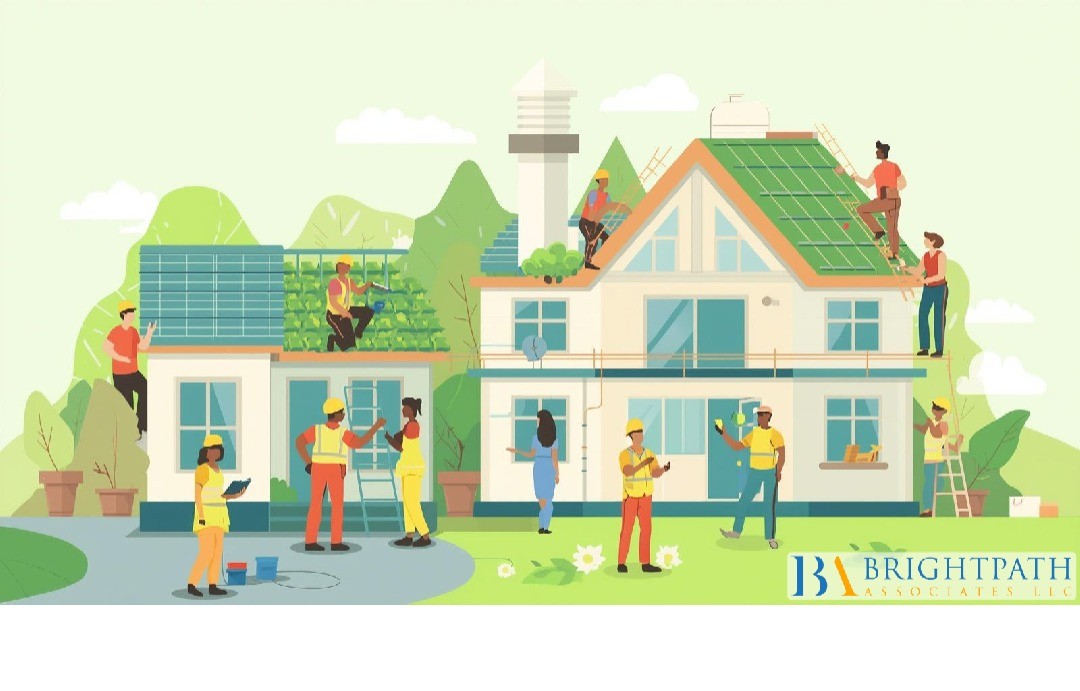
As the world grapples with the pressing challenges of climate change and #EnvironmentalDegradation, the construction industry stands at a pivotal juncture. Traditionally known for its significant environmental footprint, the industry is now increasingly embracing sustainable practices. This shift towards green construction is not only an environmental necessity but also an economic opportunity, reshaping the landscape of construction materials, building supplies, and building technology.
Understanding Sustainable Construction
Sustainable construction refers to the adoption of building practices that prioritize environmental responsibility and resource efficiency throughout a building’s lifecycle. This includes the design, construction, operation, maintenance, renovation, and deconstruction phases. The goal is to reduce the overall impact of the built environment on human health and the natural environment.
The Role of Construction Materials
In #SustainableConstruction, the choice of construction materials is critical. There is a growing emphasis on using eco-friendly and recyclable building supplies. Conventional materials, such as concrete and steel, are being re-evaluated for their environmental impact. Innovations in concrete production are focusing on reducing carbon emissions by incorporating alternative materials like fly ash and slag, which are industrial by-products.
Similarly, the lumber industry is shifting towards sustainably sourced wood products. Certified lumber, which ensures that the wood is harvested responsibly, is gaining popularity. This helps in preserving forests and promoting biodiversity, while also providing a renewable resource for construction.
Building Technology and Innovation
Advancements in building technology are playing a crucial role in driving sustainable construction practices. Smart building technologies, such as energy-efficient HVAC systems, advanced insulation materials, and smart lighting solutions, are being integrated into modern structures to reduce energy consumption.
Moreover, the advent of green building materials, such as recycled steel and bamboo, is transforming the industry. These materials not only reduce the environmental impact but also offer superior performance characteristics, such as increased durability and fire resistance.
The Impact of Building Regulations
#BuildingRegulations are crucial in promoting sustainable construction practices. Governments worldwide are implementing stringent codes and standards to ensure that new constructions meet specific environmental criteria. These regulations often require buildings to achieve certain energy efficiency ratings or incorporate renewable energy sources.
In addition to regulatory measures, incentives such as tax breaks and grants are encouraging developers to adopt green building practices. By aligning economic incentives with sustainable goals, policymakers are catalyzing a shift in industry norms.
Construction Economics and Sustainability
The integration of sustainable practices into construction economics is essential for long-term viability. While the initial costs of sustainable building materials and technologies may be higher, the long-term economic benefits often outweigh these expenditures. Energy-efficient buildings, for example, result in reduced utility bills and lower maintenance costs over time.
Moreover, the demand for green buildings is on the rise, driven by environmentally conscious consumers and businesses. This shift in demand is influencing property values and creating a competitive advantage for developers who prioritize sustainability.
Material Recycling and Waste Management
#MaterialRecycling is an integral component of sustainable construction. The industry is increasingly focusing on reducing waste and promoting the recycling of building supplies. Concrete, for example, can be crushed and reused as aggregate for new construction projects. Similarly, steel and aluminum can be recycled indefinitely without losing their properties.
Effective waste management strategies are being implemented to minimize construction waste, divert materials from landfills, and promote the circular economy. This not only reduces environmental impact but also lowers disposal costs, contributing to overall project savings.
The Future of Construction Jobs
The shift towards sustainable construction is reshaping the job market within the industry. There is a growing demand for skilled professionals who are knowledgeable about green building practices and technologies. Construction jobs now require expertise in areas such as energy modeling, sustainable design, and material science.
Moreover, the emphasis on sustainability is influencing #ExecutiveSearchRecruitment within the industry. Companies are seeking leaders who can drive the transition towards more sustainable practices and navigate the complexities of the evolving regulatory landscape.
Conclusion
The transition to green construction is a multifaceted endeavor that encompasses environmental, economic, and social dimensions. By prioritizing sustainable practices in construction materials, building supplies, and building technology, the industry can significantly reduce its environmental impact while creating economic opportunities.
As building regulations continue to evolve and the demand for sustainable structures increases, the industry must adapt by embracing innovative technologies and efficient waste management strategies. The shift towards sustainable construction is not just a trend; it is a fundamental transformation that is reshaping the future of the construction industry and the global environment.
Find your next leadership role in Building Materials Industry today!
Stay informed with the latest insights on Building Materials Industry!