
Introduction
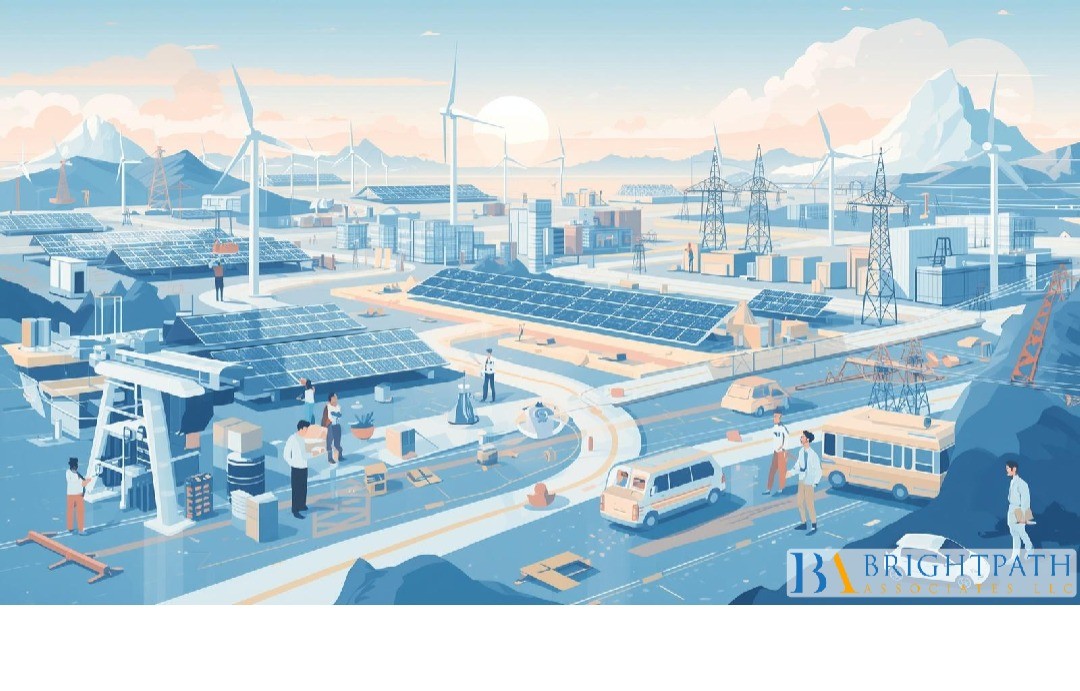
The #GlobalEnergy landscape is undergoing a transformative shift as countries and industries seek to transition from traditional fossil fuels to more sustainable and renewable energy sources. This transition is not only essential for mitigating climate change but also for ensuring energy security and economic stability. The utility industry plays a pivotal role in this transition, driven by evolving trends, technological innovations, and strategic solutions. This article explores the various facets of this transition, offering insights into utility industry trends, suitable utility solutions, and the role of technology and consulting services.
Utility Industry Trends
The utility industry is at the forefront of the energy transition, with several emerging trends shaping its future. One of the most significant trends is the increasing integration of renewable energy sources into the energy mix. Wind, solar, and hydroelectric power are becoming mainstream, driven by declining costs and technological advancements. This shift towards renewable energy utilities is supported by government policies and consumer demand for cleaner energy alternatives.
Another trend is the digital transformation of utilities. Technologies such as smart grids, the Internet of Things (IoT), and artificial intelligence (AI) are revolutionizing how utilities operate. These technologies enhance efficiency, reduce costs, and improve customer service by providing real-time data and insights. Digital transformation utilities are essential for adapting to the changing energy landscape and meeting the evolving needs of consumers.
Energy storage solutions are also gaining prominence as utilities seek to balance supply and demand more effectively. Advanced battery technologies, such as lithium-ion and flow batteries, are becoming more affordable and efficient, enabling utilities to store excess energy generated from renewable sources and deploy it when needed. This ability to store and dispatch energy is crucial for ensuring a reliable and resilient energy supply.
Suitable Utility Solutions
To navigate the transition effectively, utilities need to adopt suitable solutions that align with their operational goals and sustainability objectives. One such solution is the development of a comprehensive renewable energy strategy. This involves setting clear targets for renewable energy adoption, investing in infrastructure, and collaborating with stakeholders to drive innovation and implementation.
Utilities should also focus on enhancing their grid infrastructure to accommodate the increasing influx of #RenewableEnergy. This includes upgrading transmission and distribution networks, integrating smart grid technologies, and deploying advanced control systems. These measures will help utilities manage the variability of renewable energy sources and maintain grid stability.
Moreover, utilities can benefit from utility consulting services that provide expert guidance on strategic planning, regulatory compliance, and technology adoption. Consultants can help utilities identify opportunities for improvement, optimize operations, and develop tailored strategies to achieve their sustainability goals.
Utility Technology Innovation
Innovation in utility technology is a driving force behind the energy transition. Smart meters, for example, enable utilities to collect granular data on energy consumption, allowing for more accurate billing and demand forecasting. IoT devices and sensors can monitor equipment health and performance, reducing maintenance costs and improving reliability.
Artificial intelligence and machine learning are also being leveraged to optimize energy generation and distribution. These technologies can analyze vast amounts of data to predict energy demand, identify inefficiencies, and suggest corrective actions. By harnessing the power of AI, utilities can enhance their decision-making processes and improve overall operational efficiency.
Additionally, blockchain technology is being explored for its potential to facilitate peer-to-peer energy trading and enhance transparency in energy transactions. By providing a secure and decentralized platform for energy trading, blockchain can empower consumers and promote the adoption of distributed energy resources.
Utilities and Renewable Energy
The integration of renewable energy into utility operations is a critical component of the energy transition. Utilities are increasingly investing in renewable energy projects, such as solar farms and wind parks, to diversify their energy portfolios and reduce carbon emissions. These investments not only contribute to environmental sustainability but also offer economic benefits by creating jobs and stimulating local economies.
Renewable energy utilities are also exploring innovative business models to support the transition. #PowerPurchaseAgreements (PPAs), for instance, allow utilities to secure long-term contracts with renewable energy providers, ensuring a stable supply of clean energy. Community solar initiatives enable consumers to access solar energy without having to install panels on their properties, further expanding the reach of renewable energy.
Energy Storage Solutions
Energy storage solutions are a cornerstone of the future energy landscape. They provide the necessary flexibility to integrate intermittent renewable energy sources and enhance grid resilience. Utilities are investing in a variety of storage technologies, including battery storage, pumped hydro, and thermal storage, to address different energy needs and challenges.
Battery storage systems are particularly promising due to their scalability and declining costs. They allow utilities to store excess energy generated during periods of low demand and release it during peak demand, reducing the need for fossil fuel-based peaking power plants. This not only lowers emissions but also improves grid stability and reliability.
Pumped hydro storage, which involves storing energy by pumping water uphill and releasing it to generate electricity when needed, remains a popular choice for large-scale energy storage. Thermal storage, which captures and stores heat for later use, is also gaining traction as a cost-effective solution for balancing energy supply and demand.
Digital Transformation Utilities
#DigitalTransformation is reshaping the utility industry by enabling more efficient, customer-centric operations. Utilities are leveraging digital technologies to enhance their service offerings, improve operational efficiency, and drive innovation. Smart grids, for instance, provide real-time data on energy consumption and grid performance, allowing utilities to optimize energy distribution and reduce losses.
Customer engagement platforms and mobile apps are also being developed to provide consumers with greater visibility and control over their energy usage. These tools empower consumers to make informed decisions, participate in demand response programs, and contribute to energy conservation efforts.
Furthermore, utilities are adopting advanced analytics to gain insights into consumer behavior and preferences. By analyzing data from smart meters and other sources, utilities can tailor their services to meet the unique needs of their customers, enhance customer satisfaction, and build long-term relationships.
Executive Search Recruitment
As the utility industry undergoes significant transformation, there is a growing demand for skilled professionals who can drive innovation and lead the transition. #ExecutiveSearchRecruitment services are playing a crucial role in identifying and attracting top talent with expertise in renewable energy, digital technologies, and strategic planning.
Recruitment firms are assisting utilities in building diverse and capable leadership teams that can navigate the complexities of the energy transition. These teams are tasked with developing and implementing strategies that align with organizational goals, regulatory requirements, and market dynamics.
In conclusion, the future of energy is marked by a dynamic and multifaceted transition towards renewable and sustainable energy sources. The utility industry is at the heart of this transition, driven by evolving trends, technological innovations, and strategic solutions. By embracing suitable utility solutions, leveraging technology, and investing in talent, utilities can navigate the challenges and opportunities of the energy transition and contribute to a more sustainable and resilient energy future.
Find your next leadership role in Utilities Industry today!
Stay informed with the latest insights on Utilities Industry!