
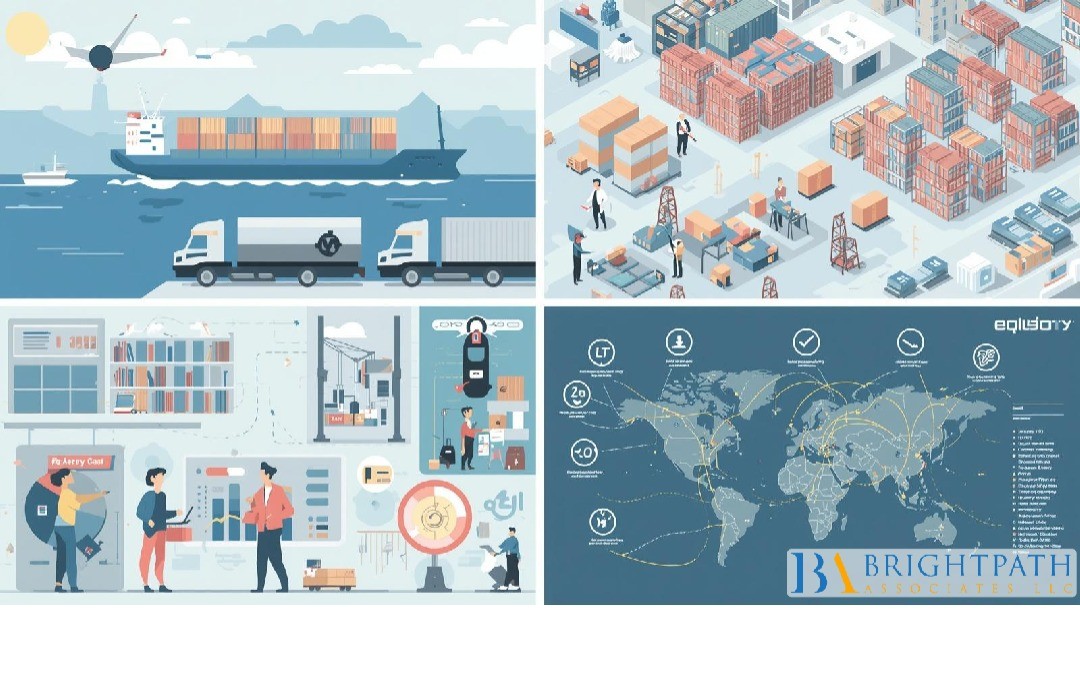
Introduction
In the constantly evolving landscape of the #TransportationIndustry, businesses are continually seeking innovative ways to optimize logistics and improve cost-effectiveness. The delivery sector, particularly, is under constant pressure to provide faster, more reliable services while minimizing expenses. This article delves into the myriad strategies employed by companies to achieve cost-effective delivery, focusing on logistics innovation, freight brokerage services, and the role of delivery technology in transforming parcel delivery and freight shipping.
The Importance of Logistics Innovation
Logistics innovation is at the heart of cost-effective delivery strategies. Companies are leveraging cutting-edge technologies and methodologies to streamline operations and reduce unnecessary expenses. Innovations such as automated warehouses, real-time tracking systems, and advanced data analytics have revolutionized the way goods are transported from one point to another. These innovations not only enhance operational efficiency but also improve accuracy in delivery, thereby reducing costs associated with delays and errors.
The integration of artificial intelligence and machine learning in logistics has further driven innovation. These technologies enable predictive analytics, allowing companies to anticipate demand fluctuations and adjust their logistics operations accordingly. By predicting peak times and potential bottlenecks, companies can better allocate resources, ensuring that delivery processes remain smooth and efficient.
Freight Brokerage Services: Bridging the Gap
#FreightBrokerageServices play a crucial role in the logistics ecosystem. Acting as intermediaries between shippers and carriers, freight brokers facilitate cost-effective delivery by negotiating rates, ensuring optimal cargo loads, and securing timely shipments. This service is especially beneficial for smaller businesses that lack the resources to negotiate directly with carriers.
Freight brokers leverage extensive networks and industry knowledge to find the best routes and rates, optimizing shipping costs. By utilizing freight brokerage services, businesses can focus on core operations without being burdened by the complexities of logistics management. This approach not only reduces costs but also enhances efficiency, paving the way for improved service delivery.
Delivery Technology: Transforming Parcel Delivery
The advent of delivery technology has dramatically transformed the parcel delivery landscape. From drones to autonomous vehicles, technology is reshaping how parcels are delivered to consumers. These advancements have the potential to significantly reduce delivery times and costs, offering a competitive edge to companies willing to embrace them.
For instance, drones can be used to deliver parcels quickly in urban areas, bypassing traffic congestion and reducing the reliance on traditional delivery vehicles. Similarly, autonomous vehicles equipped with advanced navigation systems can efficiently handle last-mile deliveries, traditionally the most expensive segment of the delivery process.
Moreover, delivery technology also encompasses sophisticated software systems that enhance route optimization. These systems analyze traffic patterns, weather conditions, and other variables to determine the most efficient delivery routes, conserving fuel and reducing vehicle wear and tear.
Freight Shipping: Enhancing Efficiency
#FreightShipping is a critical component of the global supply chain, responsible for the transportation of large quantities of goods across vast distances. Enhancing efficiency in freight shipping is paramount to achieving cost-effective delivery. Companies are investing in modern fleet management technologies, which provide real-time data on vehicle performance, fuel consumption, and maintenance needs.
The integration of Internet of Things (IoT) devices in freight shipping has also significantly improved efficiency. IoT sensors monitor cargo conditions, such as temperature and humidity, ensuring that goods are maintained in optimal conditions during transit. This reduces the risk of spoilage and damage, minimizing associated costs.
Furthermore, freight shipping companies are increasingly adopting green logistics practices aimed at reducing their environmental impact. By utilizing fuel-efficient vehicles and optimizing shipping routes, companies not only cut costs but also contribute to sustainability efforts, an increasingly important consideration for consumers and businesses alike.
Transportation Industry Trends: Shaping the Future
The transportation industry is constantly evolving, with new trends shaping the future of logistics and delivery. One of the most significant trends is the rise of e-commerce logistics, driven by the growing demand for online shopping. E-commerce has led to an increase in parcel volumes, necessitating innovative solutions to handle the surge efficiently.
To meet these demands, companies are investing in advanced warehousing solutions, such as automated sorting systems and robotic pickers. These technologies enhance the speed and accuracy of order fulfillment, reducing labor costs and improving customer satisfaction.
Another trend is the increasing importance of #ExecutiveSearchRecruitment in the delivery sector. As technology becomes more sophisticated, companies require tech talent to drive innovation and implement new solutions. Executive search recruitment firms specialize in identifying and attracting top-tier talent, ensuring that companies have the expertise needed to navigate the complexities of modern logistics.
Shipping and Its Challenges
Despite advancements in logistics innovation, the shipping industry continues to face significant challenges. Global disruptions, such as pandemics and geopolitical tensions, can impact shipping routes and costs. Companies must remain agile, adapting swiftly to changing circumstances to maintain cost-effectiveness.
Moreover, the shipping industry must contend with regulatory changes, fluctuating fuel prices, and labor shortages. These challenges necessitate a proactive approach to risk management, with companies investing in contingency planning and flexible logistics strategies.
Embracing Technology in E-commerce Logistics
E-commerce logistics requires a unique approach to handle the complexities of online retail. Companies are leveraging technology to streamline operations and enhance customer experiences. Advanced inventory management systems ensure that stock levels are accurately monitored, reducing the risk of overstocking or stockouts.
Additionally, companies are utilizing #CustomerRelationshipManagement (CRM) software to personalize customer interactions, improving service delivery and fostering loyalty. By embracing technology, e-commerce businesses can enhance operational efficiency, reduce costs, and improve the overall shopping experience.
The Delivery Industry: A Sector in Transformation
The delivery industry is undergoing a significant transformation, driven by technological advancements and changing consumer expectations. Companies are investing in tech talent to harness the power of new technologies and remain competitive. The recruitment of skilled professionals in fields such as data science, robotics, and supply chain management is crucial to driving innovation and achieving cost-effective delivery solutions.
As the industry evolves, businesses must remain vigilant, continuously assessing and adapting their strategies to stay ahead. The focus on innovation, efficiency, and customer satisfaction will be key to success in the rapidly changing delivery landscape.
In conclusion, cost-effective delivery in the transportation industry demands a multifaceted approach, encompassing logistics innovation, freight brokerage services, and delivery technology. By embracing these strategies, companies can navigate the challenges of the modern delivery sector, enhancing efficiency and reducing costs while delivering exceptional service to consumers.
nd your next leadership role in Packaging and Freight Industry today!
Stay informed with the latest insights on Packaging and Freight Industry!