
Introduction
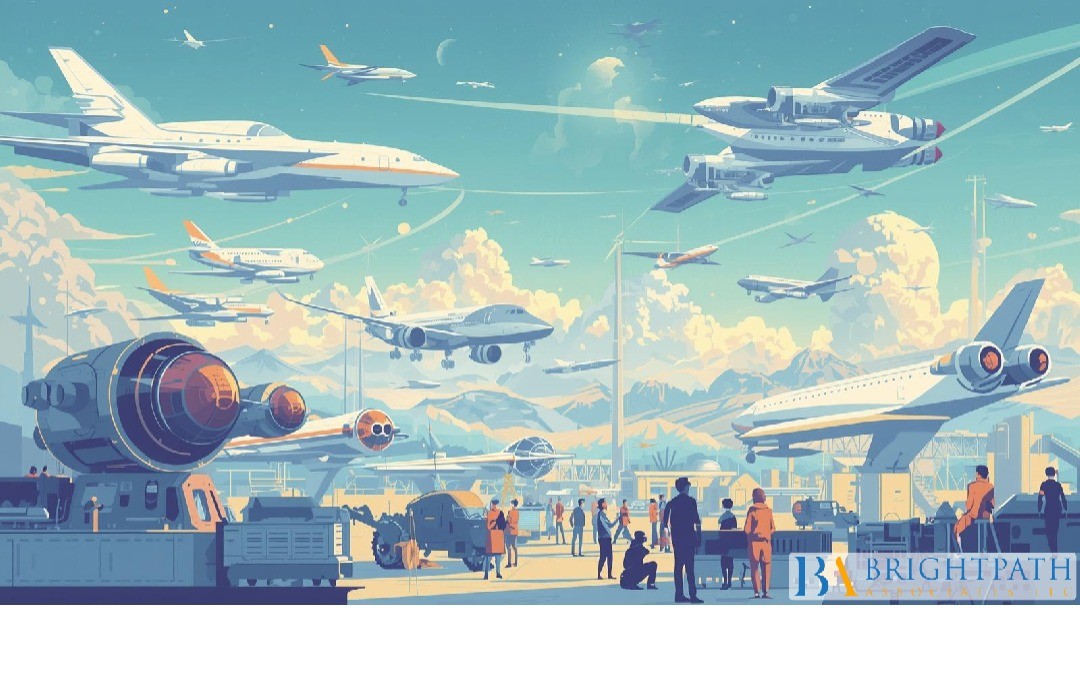
The #AerospaceIndustry is poised for significant transformation over the next decade. With rapid technological advancements, shifting market dynamics, and evolving regulatory landscapes, industry stakeholders are navigating a complex environment. This comprehensive forecast delves into the trends and predictions that will shape the aerospace market, focusing on key areas such as aviation industry recruitment, aerospace engineering solutions, and more.
The Evolving Landscape of Aircraft Manufacturing
Growth of Aircraft Manufacturing Companies in the USA
The United States has long been a leader in aircraft manufacturing, with major companies like Boeing and Lockheed Martin setting benchmarks in innovation and production. Over the next decade, aircraft manufacturing companies in the USA are expected to continue their dominance. They will likely focus on increasing production efficiency and adopting advanced manufacturing technologies such as 3D printing and automation.
Emphasis on Sustainability
Sustainability will become a core focus for #AircraftManufacturers. Companies are investing in research and development to create more fuel-efficient engines and lighter materials, reducing the overall carbon footprint of aviation. The push for greener technologies is expected to drive significant investment and innovation in aerospace engineering solutions.
Regulatory Changes and Their Impact
FAA Regulations for Aviation
The Federal Aviation Administration (FAA) plays a crucial role in shaping the aerospace industry through regulations. In the coming years, FAA regulations for aviation are expected to evolve to address new technologies such as drones and electric aircraft. These regulations will ensure safety while fostering innovation, presenting both challenges and opportunities for industry players.
Aviation Safety Management Systems
#AviationSafetyManagementSystems (SMS) will continue to be a priority, with advancements in data analytics and artificial intelligence enhancing safety protocols. The integration of SMS into the operational fabric of aerospace companies will be crucial for maintaining compliance with stringent safety standards, especially as the industry embraces more autonomous and unmanned systems.
Commercial Aviation Market Trends
Post-Pandemic Recovery
The commercial aviation sector is gradually recovering from the impact of the COVID-19 pandemic. Airlines are focusing on rebuilding capacity and restoring profitability. The next decade will see an increase in passenger demand, driven by economic growth and increased connectivity. However, airlines will need to adapt to changing consumer preferences, such as increased demand for flexibility and enhanced digital experiences.
Rise of Low-Cost Carriers
Low-cost carriers are expected to expand their market share significantly. Their competitive pricing strategies and efficient operations will appeal to cost-conscious travelers, especially in emerging markets. This trend will necessitate a reevaluation of traditional #BusinessModels for legacy carriers.
Innovations in Space Exploration Technology
The New Space Race
Space exploration technology is undergoing a renaissance, with private companies like SpaceX and Blue Origin leading the charge. Over the next decade, we can expect significant advancements in reusable rocket technology, satellite deployment, and interplanetary exploration. These innovations will not only reduce costs but also open new frontiers for scientific research and commercial opportunities.
Collaboration Between Public and Private Sectors
Collaboration between government agencies, such as NASA, and private #AerospaceStartups will be crucial for advancing space exploration initiatives. This synergy will drive technological breakthroughs and make space more accessible to a wider range of stakeholders.
Defense Aviation Industry: Modernization and Innovation
Focus on Advanced Military Aircraft
The defense aviation industry is set to witness significant modernization efforts. Nations are investing in the development of advanced military aircraft equipped with stealth technology, hypersonic capabilities, and enhanced electronic warfare systems. This focus on modernization will drive demand for cutting-edge aerospace engineering solutions.
Global Defense Collaboration
#InternationalCollaborations in defense aviation will become more common, as countries seek to pool resources and expertise to develop next-generation defense systems. These partnerships will foster innovation and create new opportunities for aerospace engineering firms.
The Role of Aerospace Supply Chain Management
Resilience and Flexibility
The aerospace supply chain is expected to undergo a transformation to become more resilient and flexible. Disruptions caused by global events have highlighted the need for robust supply chain management practices. Companies will invest in technologies like blockchain and IoT to enhance transparency and efficiency across the supply chain.
Localization of Supply Chains
There will be a shift towards localization of supply chains to mitigate risks associated with geopolitical tensions and #GlobalDisruptions. This trend will encourage regional manufacturing hubs and reduce dependency on single sources, ultimately strengthening the aerospace supply chain.
The Future of Aerospace Startups
Innovation and Disruption
Aerospace startups are increasingly becoming catalysts for innovation and disruption. These nimble entities are focusing on niche areas such as urban air mobility, sustainable aviation fuels, and autonomous flight. Their innovative approaches will challenge traditional players and accelerate the pace of change in the aerospace industry.
Access to Funding and Talent
Access to funding and talent remains critical for the success of aerospace startups. Venture capital and government grants will play a significant role in supporting these startups. Simultaneously, the recruitment of #SkilledProfessionals will be essential to drive innovation and bring new ideas to fruition.
Aviation Industry Recruitment: Addressing the Skills Gap
Demand for Skilled Professionals
As the aerospace industry evolves, there will be an increased demand for skilled professionals in various domains, including engineering, manufacturing, and regulatory compliance. Aviation industry recruitment strategies will need to focus on attracting talent with expertise in emerging technologies and industry-specific skills.
Emphasis on Diversity and Inclusion
Diversity and inclusion will be central to recruitment efforts, as companies recognize the value of diverse perspectives in driving innovation. Initiatives aimed at increasing representation of women and minorities in the #AerospaceWorkforce will be prioritized, contributing to a more inclusive industry culture.
Executive Search Recruitment: Finding the Right Leaders
Leadership for a Changing Industry
The rapidly evolving aerospace landscape requires visionary leaders who can navigate complex challenges and seize new opportunities. #ExecutiveSearchRecruitment will focus on identifying leaders with the strategic acumen and adaptability to guide companies through transformative periods.
Building a Dynamic Leadership Pipeline
Building a strong leadership pipeline will be essential for long-term success. Companies will invest in leadership development programs and succession planning to ensure they have the right leaders in place to drive growth and innovation.
Conclusion
The #AerospaceMarket is on the cusp of significant change, driven by technological advancements, evolving regulations, and shifting market dynamics. Companies that embrace innovation, adapt to new trends, and invest in talent will be well-positioned to thrive in this rapidly changing environment. By understanding these trends and predictions, industry stakeholders can strategically navigate the complexities of the next decade and capitalize on emerging opportunities.
d your next leadership role in Aviation and Aerospace Industry today!
Stay informed with the latest insights on Aviation and Aerospace Industry!