
Introduction
In the modern industrial landscape, waste streams have gradually transformed from mere liabilities into valuable assets. This shift is driven by a growing emphasis on #EnvironmentalSustainability and the pursuit of innovative solutions within the environmental industry. By monetizing waste streams, businesses not only enhance their bottom lines but also contribute significantly to environmental compliance and corporate responsibility. This article explores various strategies for turning waste into wealth, highlighting the role of clean technology, air pollution control, and water treatment in this transformative process.
Waste streams refer to the continuous flow of waste materials generated from industrial and commercial activities. Traditionally, these streams were considered burdensome, often requiring costly disposal methods that complied with environmental regulations. However, as environmental innovation continues to evolve, companies are increasingly recognizing the potential of waste streams as sources of revenue and sustainable growth.
The Role of Environmental Services and Innovation
Environmental services play a crucial role in facilitating the transition from liability to asset. These services encompass a wide range of solutions designed to manage waste effectively and sustainably. Environmental innovation, on the other hand, drives the development of new technologies and processes that enable businesses to extract value from their waste streams. Together, these elements form the backbone of a more sustainable and profitable approach to waste management
A key component of this transition is the recruitment of skilled professionals through environmental executive search. These experts possess the knowledge and expertise necessary to implement innovative waste management strategies. By leveraging the insights and skills of environmental executives, companies can effectively harness the potential of their waste streams, turning them into profitable ventures.
Strategies for Monetizing Waste Streams
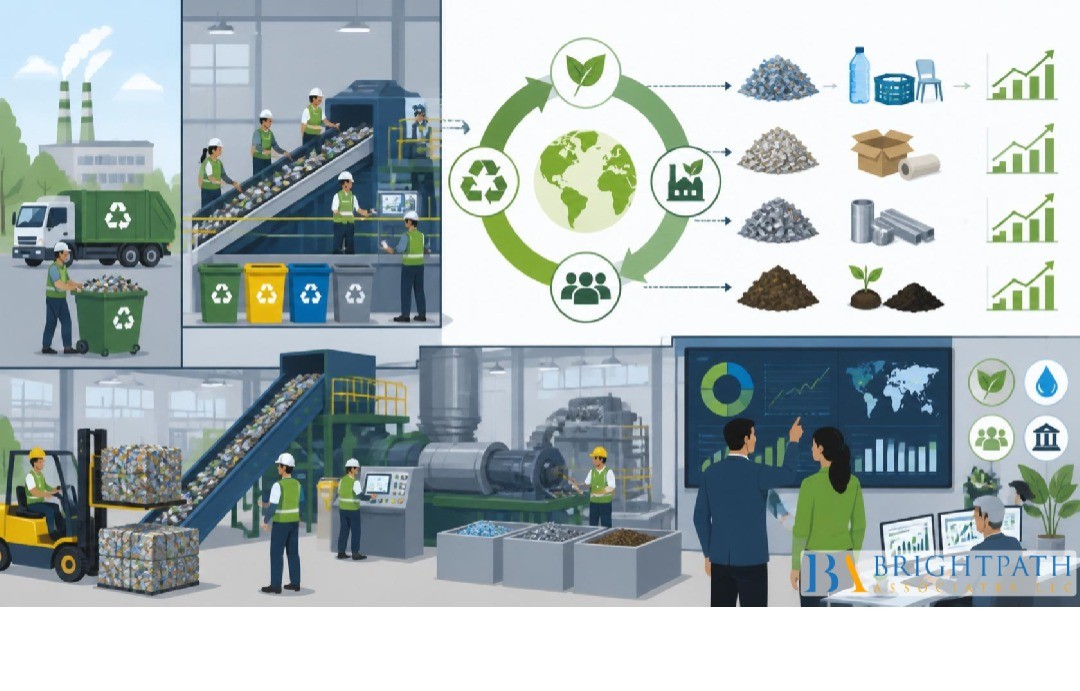
Recycling remains one of the most straightforward methods for monetizing waste streams. By converting waste materials into reusable products, companies can reduce raw material costs and minimize environmental impact. This approach not only aligns with green technology initiatives but also enhances a company’s reputation as an environmentally responsible entity.
#EnergyRecovery is another effective strategy for waste monetization. By converting waste into energy, businesses can generate electricity or heat, offsetting traditional energy costs. This can be achieved through processes such as incineration, anaerobic digestion, and gasification. These methods not only provide a sustainable energy source but also contribute to air pollution control by reducing waste volume.
Water treatment is a critical aspect of waste stream management, particularly for industries with high water usage. By implementing advanced water treatment technologies, companies can reclaim wastewater and reuse it in their operations. This reduces the demand for fresh water and mitigates the environmental impact of water-intensive processes. Moreover, reclaimed water can be sold to other industries, creating an additional revenue stream.
Organic waste streams offer a unique opportunity for monetization through the production of bioproducts and compost. By converting organic waste into fertilizers, biofuels, or bioplastics, companies can tap into new markets and diversify their product offerings. Composting, in particular, provides a sustainable solution for managing organic waste while enhancing soil health and agricultural productivity.
The Impact of Green Technology
Green technology plays a pivotal role in the successful monetization of waste streams. Innovations such as advanced recycling systems, energy-efficient machinery, and cutting-edge water treatment processes enable businesses to maximize the value extracted from waste. These technologies not only drive economic growth but also align with environmental compliance and sustainability goals.
Air pollution control is another critical aspect of waste stream management. By implementing technologies that minimize emissions and pollutants, companies can adhere to environmental regulations and avoid costly fines. Effective air pollution control measures also enhance a company’s reputation as a responsible corporate citizen, attracting environmentally conscious consumers and investors.
Challenges and Opportunities in the Environmental Industry
While the opportunities for monetizing waste streams are vast, several challenges remain. Companies must navigate complex regulatory environments, invest in advanced technologies, and develop robust waste management strategies. However, these challenges also present opportunities for growth and innovation within the environmental industry.
To overcome these challenges, businesses must invest in environmental #ExecutiveSearchRecruitment and talent acquisition. By recruiting skilled professionals with expertise in clean technology, water treatment, and air pollution control, companies can develop and implement effective waste monetization strategies. The right talent can drive innovation, enhance operational efficiency, and ensure compliance with environmental regulations.
The Future of Waste Stream Monetization
As the environmental industry continues to evolve, the potential for waste stream monetization will only grow. Advances in clean technology and environmental innovation will enable businesses to extract even greater value from their waste streams. Moreover, as consumers and investors increasingly prioritize environmental sustainability, companies that successfully monetize their waste will gain a competitive edge in the marketplace.
Environmental sustainability is at the heart of waste stream monetization. By adopting sustainable waste management practices, businesses can reduce their environmental footprint, enhance their brand image, and increase profitability. This not only benefits individual companies but also contributes to the broader goal of global environmental sustainability.
Conclusion
The transformation of waste streams from liability to asset represents a significant opportunity for businesses across the environmental industry. By leveraging environmental services, clean technology, and innovative #WasteManagement strategies, companies can turn waste into wealth while promoting environmental sustainability. As the demand for sustainable solutions continues to rise, businesses that embrace this paradigm shift will position themselves for long-term success in the evolving industrial landscape.
Find your next leadership role in Business Environmental Services Industry today!
Stay informed with the latest insights on Environmental Services Industry!