
Introduction
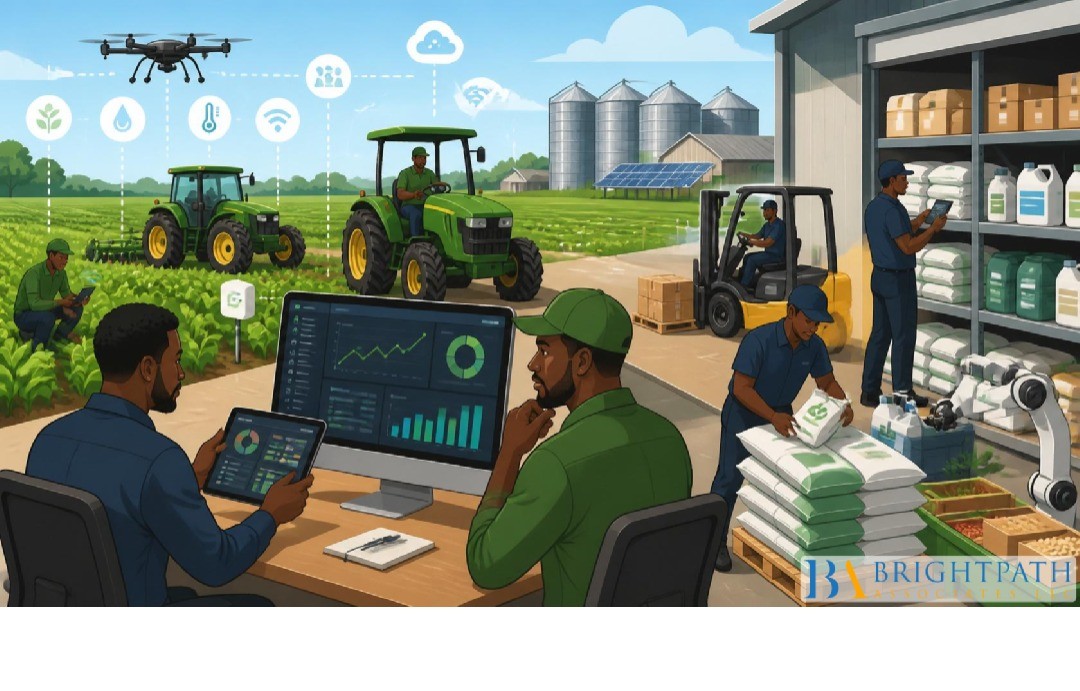
In recent years, the agricultural sector has been undergoing a transformative shift toward more efficient and sustainable practices. One significant development is the adoption of automated procurement systems, which aim to minimize waste in farm input purchasing. This article explores how these systems, empowered by #AgriculturalTechnology, are revolutionizing the way inputs are purchased, contributing to sustainable farming, and enhancing the efficiency of food production.
The Role of Agricultural Technology
Agricultural technology has become a cornerstone in modern farming, offering solutions that range from simple tools to complex digital platforms. The integration of technology into procurement processes helps farmers make informed decisions about input purchases. By utilizing data analytics, farmers can predict their input needs more accurately, reducing excess purchases and minimizing waste. This not only conserves resources but also decreases production costs, ultimately benefiting the entire supply chain.
Precision Agriculture and Its Impact
A subset of agricultural technology, #PrecisionAgriculture uses data-driven techniques to optimize field-level management regarding crop farming. With precision agriculture tools, farmers can identify the exact amount of seeds, fertilizers, and pesticides needed for their crops. Automated procurement systems can then order these inputs with precision, ensuring that no excess materials are purchased. This level of accuracy in input purchasing prevents unnecessary spending and reduces environmental impact by limiting the over-application of chemicals.
Sustainable Farming through Automated Procurement
Automation in procurement aligns closely with the principles of sustainable farming. By ensuring that only necessary inputs are purchased, automated procurement systems support the efficient use of resources. This approach reduces the carbon footprint of farming activities, as less energy is required for the production and transportation of excess materials. Additionally, automated procurement can facilitate the integration of organic farming practices by enabling the precise purchase of organic inputs, which often require careful and accurate management.
Agricultural Innovation: Transforming Procurement Processes
The push for agricultural innovation has led to the development of systems that streamline procurement processes. These innovations include platforms that integrate with #Farm ManagementSoftware, providing real-time insights into inventory levels and input requirements. Such systems can automatically trigger purchase orders when stocks fall below predetermined levels, ensuring that farms operate smoothly without interruptions. This proactive approach prevents the overstocking of supplies and mitigates the risk of waste.
Investment in Sustainable Agriculture
The move toward automated procurement is also driving sustainable agriculture investment. Investors are increasingly recognizing the value of technologies that promote sustainability and efficiency. By supporting companies that develop automated procurement systems, investors contribute to the advancement of agricultural sustainability. This investment not only fosters innovation but also ensures that farmers have access to cutting-edge tools that enhance their purchasing decisions and reduce waste.
The Role of Digital Farming and Farm Management Software
#DigitalFarming encompasses the use of digital tools and platforms to optimize farming operations. When integrated with farm management software, these tools offer a comprehensive view of a farm’s input needs and inventory. This integration allows for seamless communication between different systems, enabling automated procurement processes to function effectively. By leveraging digital farming technologies, farmers can make data-driven decisions that reduce waste and improve productivity.
Addressing Challenges in Automated Procurement
Despite its benefits, the implementation of automated procurement systems in agriculture is not without challenges. One significant hurdle is the initial cost of technology adoption, which can be prohibitive for smaller farms. Additionally, the complexity of integrating new systems with existing infrastructure can pose significant barriers. However, the long-term benefits of reduced waste and increased efficiency often outweigh these initial costs, making it a worthwhile investment for many farmers.
The Future of Automated Procurement in Agriculture
As the agricultural sector continues to evolve, the role of automated procurement in reducing waste will become increasingly significant. Ongoing advancements in agricultural technology will further refine these systems, making them more accessible and efficient. The continued focus on sustainable farming practices and #AgriculturalInnovation will drive the development of new tools and strategies to enhance procurement processes.
The Importance of Executive Search Recruitment
To effectively implement and manage automated procurement systems, the agricultural industry must attract skilled professionals who can navigate this evolving landscape. #ExecutiveSearchRecruitment plays a crucial role in identifying and securing talent capable of leading these technological advancements. By recruiting individuals with expertise in digital farming and farm management software, the industry can ensure that the potential of automated procurement is fully realized.
Conclusion
Automated procurement systems represent a promising solution to the challenge of waste in farm input purchasing. By leveraging precision agriculture, digital farming, and agricultural technology, these systems optimize resources, reduce costs, and promote sustainable agriculture. As agricultural innovation continues to drive investment and development, the future of farming looks increasingly efficient and environmentally friendly. With the right talent and technology in place, the agricultural sector is well-positioned to embrace the benefits of automated procurement, leading to a more sustainable and productive future.
Find your next leadership role in Farming Industry today!