
Introduction
In the rapidly evolving landscape of logistics, businesses are increasingly turning to hyper-local logistics as a means to optimize their operations and enhance #CustomerSatisfaction. This approach focuses on creating specialized delivery zones to improve efficiency and reduce delivery times. As the demand for quick and reliable deliveries continues to grow, especially in the e-commerce sector, the importance of a well-structured logistics network cannot be overstated.
The Rise of Hyper-Local Logistics
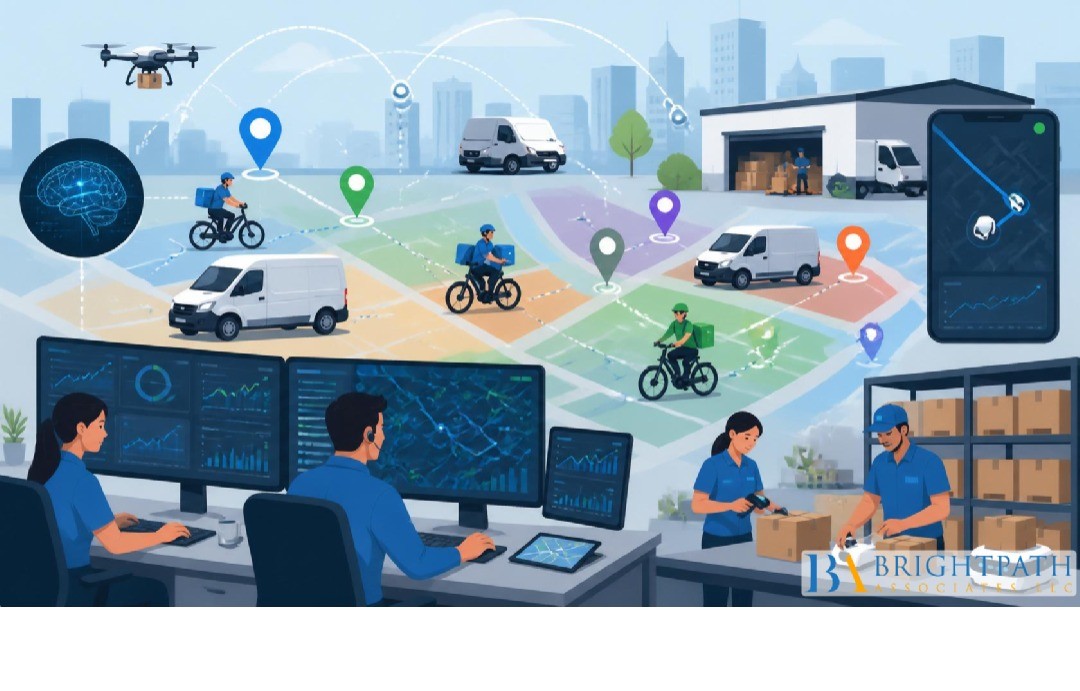
Hyper-local logistics refers to the strategy of segmenting delivery regions into smaller, more manageable zones. This concept is gaining traction due to the increasing consumer demand for same-day or next-day deliveries. By concentrating on smaller geographic areas, businesses can tailor their logistics operations to meet the unique needs of each zone, resulting in faster and more reliable service.
The rise of hyper-local logistics is closely linked to the growth of e-commerce logistics. As more consumers shop online, the pressure on logistics companies to deliver parcels quickly and efficiently has intensified. This shift in consumer behavior has led to the development of delivery technology that supports hyper-local logistics, making it easier for businesses to manage their delivery operations effectively.
Competitive Advantages of Specialized Delivery Zones
One of the primary benefits of hyper-local logistics is the ability to significantly improve delivery speed. By focusing on smaller zones, businesses can reduce the distance that parcels need to travel, thus speeding up the delivery process. This is particularly beneficial in urban areas where traffic congestion can cause delays. With specialized delivery zones, companies can strategically position their warehouses and distribution centers to minimize travel time.
#FasterDelivery times directly contribute to higher levels of customer satisfaction. In today’s fast-paced world, consumers expect quick and reliable service. By implementing hyper-local logistics strategies, companies can meet these expectations and build a loyal customer base. Satisfied customers are more likely to return and recommend the service to others, providing a competitive edge in the delivery industry.
Hyper-local logistics can also lead to significant cost savings. By optimizing delivery routes within specialized zones, businesses can reduce fuel consumption and vehicle wear and tear. Additionally, the use of advanced delivery technology allows for more efficient route planning and parcel delivery, further reducing operational costs. This cost efficiency is crucial for companies looking to remain competitive in the transportation industry.
Specialized delivery zones offer businesses greater flexibility and scalability. As demand fluctuates, companies can adjust their logistics operations to accommodate changes within specific zones. This adaptability is essential in the ever-changing landscape of e-commerce logistics, where businesses need to respond quickly to shifts in consumer demand and market trends.
The Role of Logistics Consulting Services
The implementation of hyper-local logistics requires a strategic approach, and logistics consulting services play a critical role in this process. These services help businesses develop tailored strategies that align with their specific goals and objectives. By analyzing transportation industry trends and identifying areas for improvement, logistics consultants provide valuable insights that can enhance operational efficiency.
Consultants also assist in the optimization of freight shipping and freight brokerage services. By leveraging their expertise, businesses can improve their supply chain management and streamline their operations. This results in a more efficient logistics network that supports the demands of hyper-local delivery zones.
In the age of digital transformation, delivery technology is a key enabler of hyper-local logistics. Advanced software solutions allow companies to optimize their delivery processes and improve efficiency. Route optimization software, for example, helps businesses plan the most efficient delivery routes, reducing travel time and fuel consumption.
Additionally, delivery technology enables real-time tracking of parcels, providing customers with transparency and peace of mind. This technology also allows companies to manage their fleet more effectively, ensuring that vehicles are utilized to their full potential. With the right technology in place, businesses can enhance their parcel delivery services and meet the growing demands of the delivery industry.
Challenges and Solutions in Hyper-Local Logistics
While hyper-local logistics offers numerous benefits, it is not without its challenges. One of the main challenges is the need for a robust infrastructure to support specialized delivery zones. This includes the establishment of local warehouses and distribution centers, as well as the recruitment and training of delivery sector tech talent.
To address these challenges, businesses must invest in the development of their infrastructure and workforce. #ExecutiveSearchRecruitment can help companies find the right talent to support their logistics operations. By hiring skilled professionals with expertise in delivery technology and logistics management, businesses can ensure the success of their hyper-local logistics strategies.
Another challenge is the complexity of managing multiple delivery zones. This requires a high level of coordination and communication between different teams and departments. To overcome this challenge, businesses can implement integrated logistics management systems that facilitate seamless collaboration and information sharing.
As the delivery sector continues to evolve, new trends are emerging that will shape the future of hyper-local logistics. One such trend is the increased use of automation and robotics. #AutomatedDeliveryVehicles and drones are being developed to further enhance delivery speed and efficiency, particularly in dense urban areas.
Sustainability is another important trend that is influencing logistics operations. Businesses are increasingly focusing on reducing their carbon footprint by adopting eco-friendly practices, such as using electric vehicles for deliveries and optimizing routes to minimize emissions.
Additionally, the integration of artificial intelligence and machine learning in logistics operations is expected to revolutionize the industry. These technologies can provide valuable insights and predictive analytics that help businesses make informed decisions and improve their logistics strategies.
Conclusion
Hyper-local logistics presents a significant opportunity for businesses to gain a competitive advantage in the delivery industry. By focusing on specialized delivery zones, companies can improve delivery speed, enhance customer satisfaction, and achieve cost efficiency. The role of logistics consulting services, delivery technology, and skilled tech talent cannot be overstated in the successful implementation of hyper-local logistics strategies.
As the transportation industry continues to evolve, businesses must remain agile and adaptable to stay ahead of the competition. By embracing the latest trends and technologies, companies can optimize their logistics operations and meet the growing demands of the modern consumer.
Find your next leadership role in Packaging and Freight Industry today!
Stay informed with the latest insights on Packaging and Freight Industry!