
Introduction
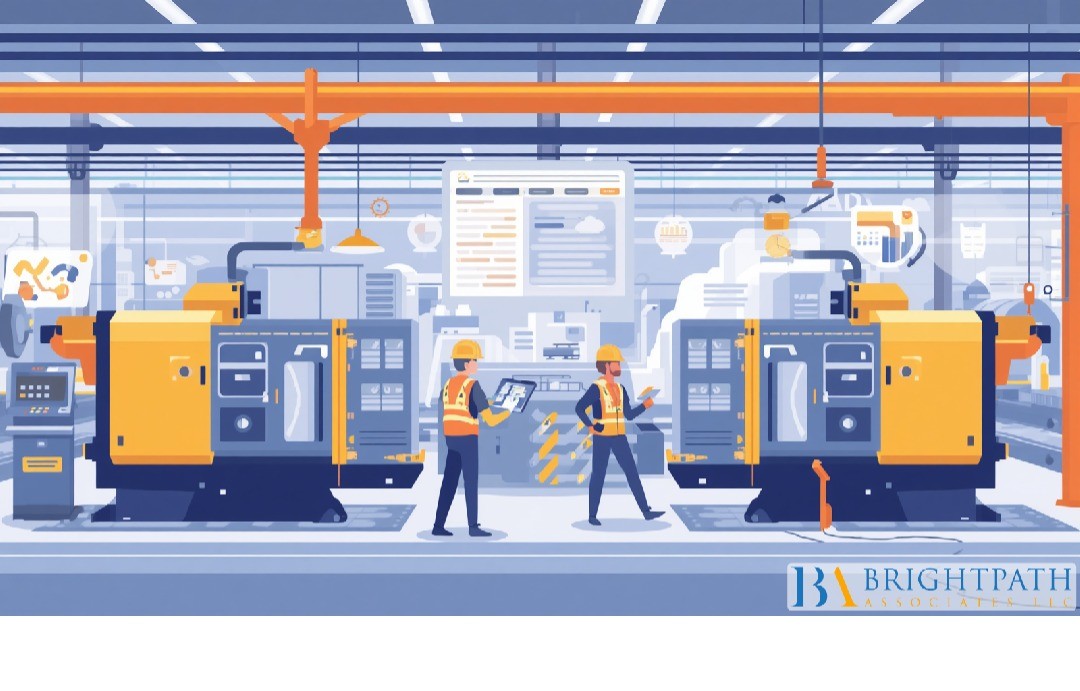
In recent years, the landscape of the #MachineryIndustry has been undergoing a significant transformation. With the advent of digital technologies, machinery firms are increasingly pivoting to data-driven business models to stay competitive and meet the evolving demands of the market. This shift is not just a trend but a necessity for survival and growth in the modern era. US machinery manufacturers, renowned for their innovation and precision machining, are at the forefront of this transformation. This article delves into the ways in which these firms are leveraging data to enhance industrial automation solutions, improve manufacturing efficiency, and sustain machinery maintenance.
The Rise of Data-Driven Business Models
The machinery industry has traditionally been dominated by mechanical engineering and physical products. However, the integration of digital technologies has introduced a new dimension to this sector. Data-driven business models are fundamentally reshaping how machinery firms operate, make decisions, and interact with customers. These models leverage vast amounts of data generated from machinery operations, customer interactions, and market trends to optimize processes and create value.
US machinery manufacturers are increasingly adopting data analytics to gain insights into their operations. By analyzing data from various sources, these firms can identify patterns, predict equipment failures, and optimize maintenance schedules. This proactive approach not only reduces downtime but also extends the lifespan of machinery, thereby enhancing overall productivity and efficiency.
Precision Machining and Industrial Automation Solutions
Precision machining is a critical component of the machinery industry, where accuracy and efficiency are paramount. Data-driven models are revolutionizing this aspect by enabling real-time monitoring and control of machining processes. Through the use of sensors and IoT devices, manufacturers can collect data on temperature, vibration, and tool wear, among other parameters. This data is then analyzed to optimize machining processes, reduce waste, and ensure the production of high-quality components.
#IndustrialAutomation solutions are another area where data plays a pivotal role. Automation technologies, such as robotics and artificial intelligence, are heavily reliant on data to perform tasks with precision. By using machine learning algorithms, these systems can continuously improve their performance by learning from data. This not only enhances productivity but also allows for greater flexibility in manufacturing processes.
Enhancing Machinery Maintenance and Manufacturing Efficiency
Machinery maintenance is a critical aspect of ensuring the smooth operation of industrial equipment. Traditional maintenance practices often rely on scheduled inspections and repairs, which can be costly and inefficient. Data-driven models, however, enable predictive maintenance, where data is used to anticipate equipment failures before they occur. By analyzing historical data and real-time sensor readings, manufacturers can predict when a machine is likely to fail and perform maintenance accordingly. This approach minimizes downtime and reduces maintenance costs.
Manufacturing efficiency is another area that benefits from data-driven models. By analyzing production data, manufacturers can identify bottlenecks, optimize workflows, and improve resource allocation. This results in faster production times, reduced waste, and lower operational costs. The integration of data analytics into manufacturing processes is driving significant improvements in efficiency, allowing firms to remain competitive in a rapidly changing market.
The Role of Used Machinery and Machinery Financing
As machinery firms pivot to data-driven business models, the role of used machinery is also evolving. The demand for pre-owned equipment is rising as firms seek cost-effective solutions to expand their operations. Data analytics is playing a crucial role in evaluating the condition and performance of used machinery. By analyzing historical data and conducting thorough inspections, manufacturers can assess the value and potential of pre-owned equipment, thereby making informed purchasing decisions.
#MachineryFinancing is another critical aspect of the industry’s transformation. The shift to data-driven models requires significant investments in technology and infrastructure. Machinery firms are increasingly turning to innovative financing solutions to fund these investments. By leveraging data analytics, financial institutions can assess the creditworthiness of borrowers more accurately, offering tailored financing options that meet the specific needs of machinery firms. This enables manufacturers to invest in the latest technologies without straining their financial resources.
The Impact on Manufacturing Jobs and Executive Search Recruitment
The adoption of data-driven business models is not only transforming the machinery industry but also impacting manufacturing jobs. As automation and data analytics become more prevalent, the demand for skilled workers with expertise in these areas is increasing. Manufacturing jobs are evolving, requiring workers to possess a blend of traditional skills and digital competencies. This shift is creating new opportunities for employment and career advancement within the industry.
#ExecutiveSearchRecruitment is also being influenced by the industry’s transformation. As machinery firms seek to implement data-driven strategies, there is a growing demand for leaders with expertise in digital technologies and data analytics. Executive recruitment firms are playing a crucial role in identifying and attracting top talent who can drive innovation and lead the industry’s digital transformation. The ability to navigate complex data landscapes and harness the power of analytics is becoming a key differentiator for executives in the machinery industry.
Conclusion
In conclusion, the machinery industry is undergoing a profound transformation driven by the adoption of data-driven business models. US machinery manufacturers are at the forefront of this shift, leveraging data analytics to enhance precision machining, industrial automation solutions, machinery maintenance, and manufacturing efficiency. The integration of digital technologies is not only improving operational performance but also reshaping the roles of used machinery and machinery financing. As the industry continues to evolve, manufacturing jobs and executive search recruitment are also being impacted, creating new opportunities and challenges. The future of the machinery industry lies in its ability to harness the power of data and embrace digital transformation to drive growth and innovation.
Find your next leadership role in Machinery Industry today!
Stay informed with the latest insights on Machinery Industry!