
Introduction
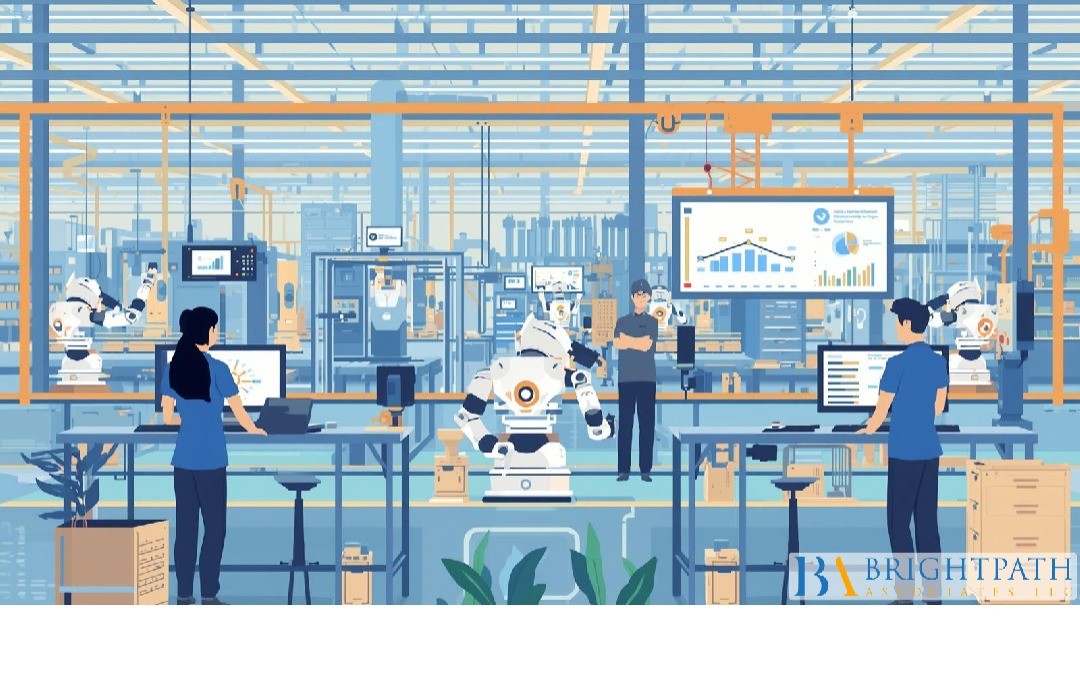
The integration of #ArtificialIntelligence (AI) into the manufacturing sector is revolutionizing the industry by enhancing efficiency, accuracy, and production capabilities. The transformation is particularly significant in the electronics industry supply chain, where precision and speed are paramount. This article delves into the applications and benefits of AI in industrial manufacturing, touching on aspects such as engineering solutions, manufacturing innovation, and digital transformation manufacturing.
The Role of AI in Industrial Manufacturing
AI has become a cornerstone of industrial manufacturing, providing a suite of tools and technologies that enhance various stages of production. From predictive maintenance to quality control, AI applications streamline processes and reduce operational costs. In the realm of electrical manufacturing companies, AI aids in optimizing workflows, ensuring that resources are utilized effectively while minimizing waste.
Predictive Maintenance and Quality Control
#PredictiveMaintenance is one of the most impactful applications of AI in manufacturing. By analyzing data from machinery and equipment, AI algorithms can predict when a machine is likely to fail, allowing companies to perform maintenance before a breakdown occurs. This proactive approach reduces downtime and extends the lifespan of equipment, leading to significant cost savings. Quality control is another critical area where AI shines. Advanced machine learning algorithms can detect defects in products with greater accuracy than human inspectors, ensuring that only high-quality items reach consumers.
Enhancing the Electronics Industry Supply Chain
The electronics industry supply chain is complex, involving multiple components and processes. AI simplifies these complexities by providing real-time insights into inventory levels, demand forecasting, and supplier performance. By leveraging AI, electronic manufacturing services can optimize their operations, ensuring timely delivery of components and finished products. This level of efficiency is crucial for maintaining competitiveness in the fast-paced electronics market.
AI-Driven Engineering Solutions and Manufacturing Innovation
AI is a catalyst for #EngineeringSolutions and manufacturing innovation, transforming how products are designed, developed, and manufactured. In the fields of electrical engineering and electronic engineering, AI helps engineers create more efficient designs and test them virtually before physical production begins. This capability reduces the time and cost associated with the traditional trial-and-error approach to product development.
AI in Electronic Design
In electronic design, AI tools assist engineers in developing complex circuit designs and simulations. Machine learning algorithms analyze vast datasets to suggest optimal design configurations, improving performance and reliability. This process accelerates the development cycle and reduces the likelihood of errors, which is invaluable for companies looking to stay ahead in the competitive electronics market.
Driving Innovation with AI
AI #FostersManufacturing innovation by enabling companies to explore new production methods and materials. For instance, AI-driven 3D printing technologies are revolutionizing how products are manufactured, allowing for the creation of complex geometries that were previously impossible. This innovation extends to the customization of products, where AI enables manufacturers to offer personalized solutions to customers at scale.
Digital Transformation Manufacturing: A New Era
Digital transformation manufacturing is reshaping the industry by integrating AI with other digital technologies, such as the Internet of Things (IoT) and big data analytics. This integration creates a connected ecosystem where machines, systems, and humans work in harmony to optimize production processes.
The Impact of AI on Electrical Manufacturing Companies
For #ElectricalManufacturingCompanies, AI-driven digital transformation means enhanced efficiency and productivity. AI systems can monitor and control production lines in real time, adjusting parameters to optimize output and reduce energy consumption. This level of automation not only improves operational efficiency but also supports sustainability efforts by minimizing the environmental impact of manufacturing activities.
The Role of Executive Search Recruitment in AI Adoption
The adoption of AI in manufacturing also brings challenges, particularly in terms of workforce skills and talent acquisition. Executive search recruitment plays a crucial role in addressing these challenges by identifying and attracting talent with the necessary skills to harness AI technologies. Companies must invest in training and development programs to equip their workforce with the skills needed to thrive in an AI-driven manufacturing environment.
The Benefits of AI in Manufacturing
The benefits of AI in manufacturing are numerous, spanning cost savings, enhanced quality, and increased competitiveness. By automating routine tasks, AI allows human workers to focus on higher-value activities, such as innovation and strategic planning. This shift not only improves job satisfaction but also drives #CompanyGrowth.
Cost Savings and Increased Competitiveness
AI reduces operational costs by optimizing resource allocation and minimizing waste. For instance, AI can optimize energy consumption during production, reducing utility costs. Moreover, AI-enhanced quality control ensures that defects are identified early, reducing the costs associated with rework and returns. These efficiencies translate into increased competitiveness, enabling companies to offer better products at lower prices.
Enhanced Customer Satisfaction
In today’s market, #CustomerSatisfaction is paramount. AI helps manufacturers meet customer expectations by improving product quality, reducing lead times, and offering customized solutions. By analyzing customer data, AI can anticipate customer needs and preferences, allowing companies to tailor their offerings accordingly. This customer-centric approach is essential for building brand loyalty and achieving long-term success.
Conclusion
The integration of AI into manufacturing is not merely a trend but a fundamental shift that is redefining the industry. From enhancing the electronics industry supply chain to driving engineering solutions and manufacturing innovation, AI offers a plethora of benefits. As electrical manufacturing companies and electronics manufacturing services continue to embrace digital transformation manufacturing, the potential for growth and innovation is boundless. However, to fully realize these benefits, companies must invest in talent and training through effective #ExecutiveSearchRecruitment and workforce development initiatives. By doing so, they can ensure that they are well-equipped to navigate the challenges and opportunities of an AI-driven future.
Find your next leadership role in Electrical and Electronics Industry today!
Stay informed with the latest insights on Electrical and Electronics Industry!