
Introduction
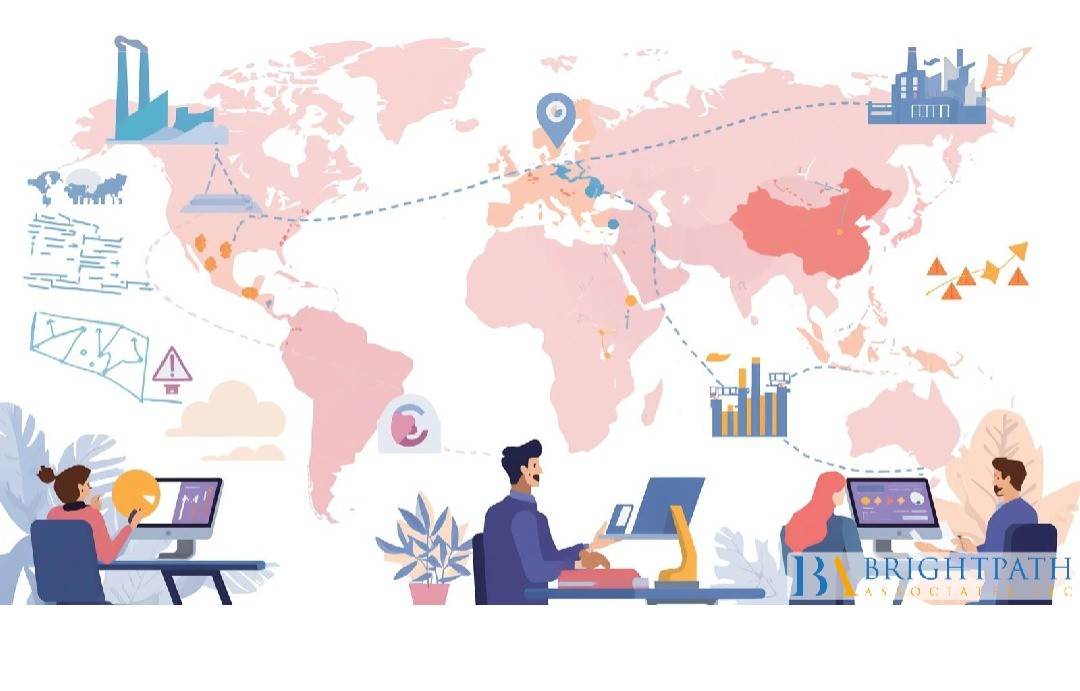
In an era where global dynamics are constantly shifting, the textile industry faces unprecedented challenges and opportunities. The interplay of geopolitical risks with the global textile supply chain necessitates strategic foresight and adaptability. This document explores how the #TextileIndustry can navigate these risks through strategic planning, investment in advanced technologies, and innovative approaches to leadership and logistics.
Understanding Geopolitical Risks in the Textile Industry
Geopolitical risks refer to the potential for political, economic, and social instability in regions where businesses operate. For the textile industry, these risks can manifest in various forms, including trade disputes, regulatory changes, and supply chain disruptions. The global textile industry must be vigilant in monitoring these risks to ensure sustainability and competitiveness.
Textile Supply Chain Vulnerabilities
The #TextileSupplyChain, which involves the procurement of raw materials, production, and distribution, is particularly susceptible to geopolitical disruptions. Trade tariffs, border closures, and currency fluctuations can significantly impact the cost and availability of materials and products. To mitigate these risks, the industry must diversify its supply sources and invest in resilient logistics networks.
Embracing Advanced Textile Manufacturing Technologies
Technological advancements are transforming the textile industry, offering solutions to mitigate geopolitical risks. Advanced textile manufacturing technologies, such as 3D knitting and digital printing, enable more efficient and localized production. These technologies reduce dependency on international supply chains and enhance the industry’s ability to adapt to geopolitical changes swiftly.
The Role of Executive Leadership in Textiles
#ExecutiveLeadership in the textile industry plays a crucial role in navigating geopolitical risks. Leaders must be proactive in strategic planning and decision-making to anticipate and respond to potential challenges. This involves fostering a culture of innovation and agility within organizations, as well as investing in talent development and #ExecutiveSearchRecruitment to ensure the industry has the expertise needed to thrive.
Textile Business Strategic Planning
Strategic planning is essential for textile businesses to successfully navigate geopolitical risks. This involves conducting thorough market research and scenario planning to understand potential threats and opportunities. By developing flexible business models and contingency plans, companies can better withstand disruptions and capitalize on emerging markets.
Investment Trends in the Textile Industry
Investment trends in the #TextileIndustry are increasingly focused on sustainability and technology. Investors are looking for companies that demonstrate resilience and adaptability to geopolitical risks. This includes investments in renewable energy, circular economy practices, and innovative technologies that enhance operational efficiency and reduce environmental impact.
The Power of Textile Industry Data Analytics
Data analytics is a powerful tool for the textile industry to navigate geopolitical risks. By leveraging textile industry data analytics, companies can gain insights into market trends, consumer behavior, and supply chain performance. This data-driven approach enables more informed decision-making and strategic planning, ultimately enhancing competitiveness and resilience.
Blockchain Applications in the Textile Industry
#BlockchainTechnology offers innovative solutions for managing geopolitical risks in the textile industry. Textile industry blockchain applications can enhance transparency and traceability in supply chains, reducing the risk of fraud and counterfeiting. Additionally, blockchain can facilitate more efficient and secure transactions, streamlining international trade and reducing exposure to geopolitical uncertainties.
Addressing Global Textile Industry Geopolitical Risks
To address global textile industry geopolitical risks, companies must adopt a comprehensive and integrated approach. This involves collaboration across the industry, with stakeholders working together to share information and resources. By fostering partnerships and alliances, the industry can build a more resilient and sustainable future.
Cognitive Automation in Textile Logistics
#CognitiveAutomation is revolutionizing textile logistics, offering solutions to mitigate geopolitical risks. By automating routine tasks and optimizing supply chain operations, cognitive automation in textile logistics enhances efficiency and reduces the impact of disruptions. This technology enables companies to respond rapidly to changing conditions and maintain continuity in challenging environments.
The Future of Textile Industry Closed-Loop Systems
Closed-loop systems represent the future of sustainable textile production. These systems aim to minimize waste and resource consumption by reusing and recycling materials throughout the production process. By adopting textile industry closed-loop systems, companies can reduce their environmental footprint and enhance resilience to geopolitical risks, as they become less reliant on external resources.
Conclusion
Navigating geopolitical risks is a complex challenge for the global #TextileIndustry. However, by embracing advanced technologies, strategic planning, and innovative approaches to leadership and logistics, the industry can position itself for success in an uncertain world. Through collaboration and investment in sustainability and resilience, the textile industry can continue to thrive despite the evolving geopolitical landscape.
Find your next leadership role in Textile Industry today!