
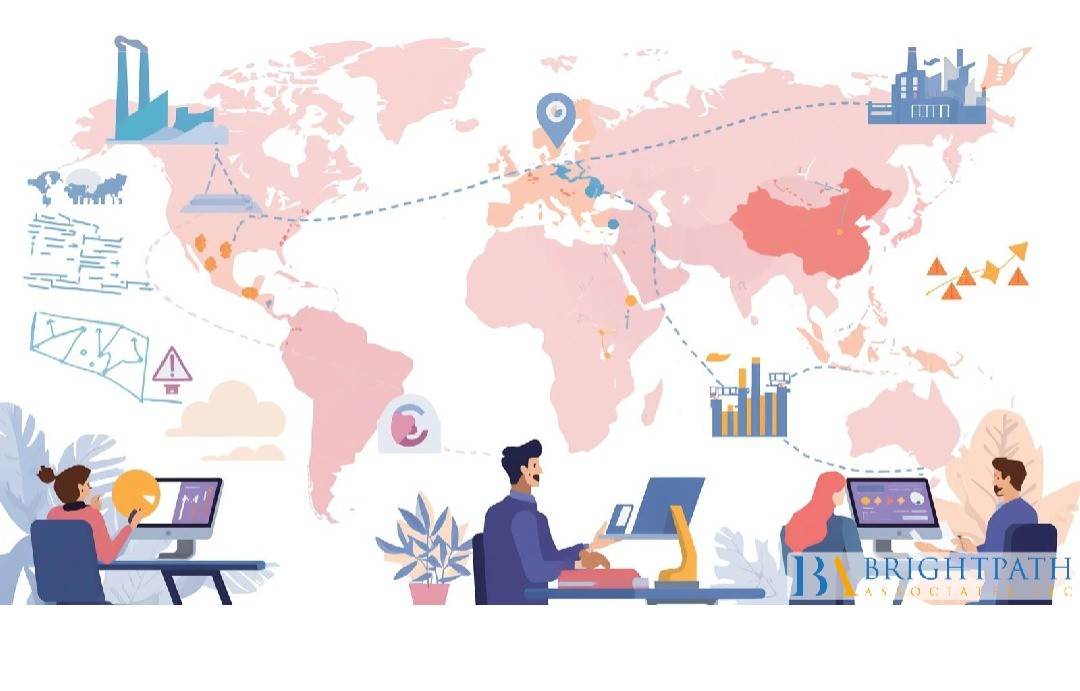
[Bethany, Connecticut – 30 April] – We are observing a significant transformation in the global textile sector as geopolitical uncertainties continue to impact supply chains, trade policies, and investment decisions. Brightpath Associates has released a comprehensive report outlining how organizations can respond effectively to these challenges through strategic planning, innovation, and leadership. The analysis focuses on how businesses can strengthen their textile supply chain, adopt advanced textile manufacturing technologies, and leverage data-driven strategies to maintain competitiveness in a rapidly changing global landscape.
The report explains how global textile industry geopolitical risks—such as trade disruptions, shifting regulations, and regional conflicts—are pushing companies to rethink traditional operating models. As a result, organizations are investing in textile industry data analytics, cognitive automation in textile logistics, and blockchain applications to build transparency and resilience across their operations.
Understanding Geopolitical Risks and Their Impact on Textile Supply Chains
We believe that understanding geopolitical risks is critical for any organization operating in the textile industry. These risks directly affect sourcing strategies, production timelines, and distribution networks, making it essential for businesses to adopt proactive approaches.
The report highlights that disruptions in the textile supply chain are no longer isolated events but ongoing challenges that require continuous monitoring and adaptation. Companies are now focusing on diversification of sourcing locations and building regional supply networks to reduce dependency on a single market.
As noted in the report, “Organizations that proactively address geopolitical risks through strategic planning and technology adoption are better equipped to maintain operational stability and growth.” This reinforces the need for strong textile business strategic planning and agile decision-making frameworks.
For a deeper understanding, readers can explore the full insights on Navigating Geopolitical Risks for Textile Industry.
Role of Technology and Innovation in Strengthening the Textile Industry
We are seeing how advanced textile manufacturing technologies and digital transformation are playing a key role in mitigating risks and improving efficiency. Innovations such as textile industry blockchain applications are enabling greater transparency and traceability across supply chains, helping organizations respond quickly to disruptions.
In addition, textile industry data analytics is empowering businesses to make informed decisions by providing real-time insights into market trends, operational performance, and risk factors. Cognitive automation in textile logistics is further enhancing efficiency by optimizing processes and reducing manual intervention.
The report emphasizes that “technology-driven transformation is essential for building resilient and future-ready textile operations.” This highlights the importance of integrating innovation into core business strategies.
Furthermore, sustainability is becoming a critical focus area. Textile industry closed-loop systems are gaining attention as companies aim to reduce waste and improve resource efficiency while aligning with global environmental goals. To gain broader insights into the evolving Textile Industry.
About Brightpath Associates
We are a leading executive search recruitment and talent solutions firm dedicated to helping organizations build strong leadership teams across industries, including the textile sector. Our mission is to connect businesses with top talent that drives innovation, resilience, and sustainable growth. With a strategic approach and deep industry expertise, we support companies in navigating complex challenges and achieving long-term success.
Media Contact:
Name: Corporate Communications Team
Company: BrightPath Associates
Email: media@brightpathassociates.com
Website: https://brightpathassociates.com