
Introduction
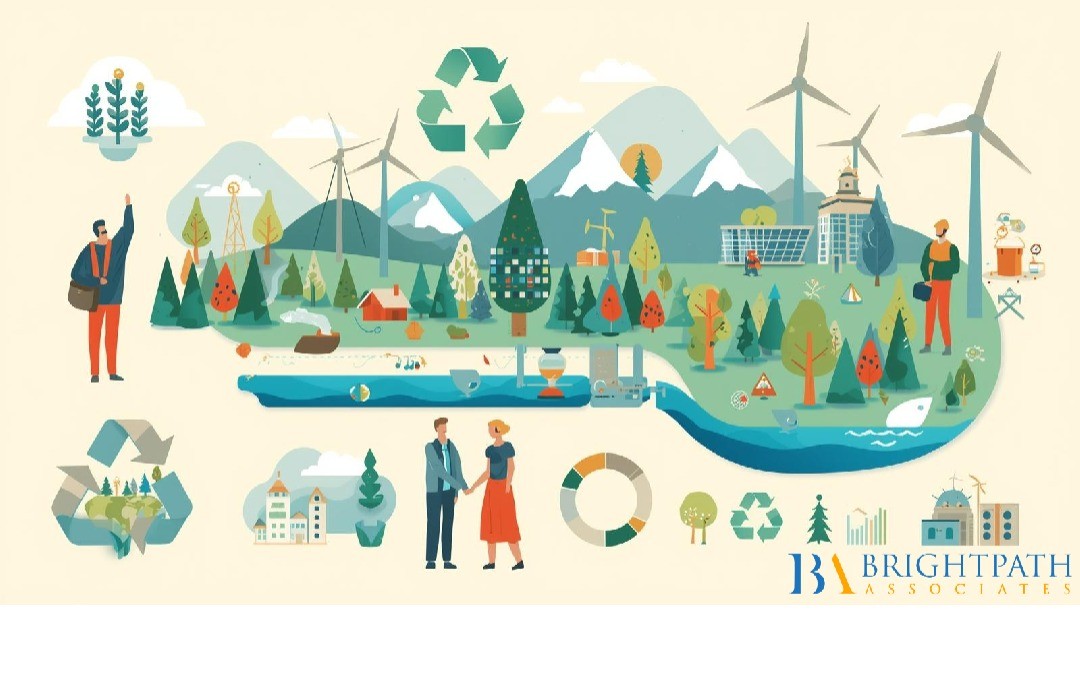
In the contemporary dialogue around #EnvironmentalConservation, the concept of sustainable resources emerges as a paradigm shift that redefines how industries, particularly mining and metallurgy, function. Sustainable resources refer to materials and methods that support environmental balance, ensuring resource availability for future generations without ongoing depletion. This concept encompasses not only the materials themselves but also the processes and practices involved in their extraction and use. As the world confronts various environmental challenges, including pollution, habitat destruction, and biodiversity loss, the need for effective stewardship becomes more pronounced. With climate change and resource scarcity at the forefront, industries are urged to adopt sustainable practices to mitigate environmental impact. This call for sustainability is echoed in global discussions, highlighting the responsibility of industries to meet today’s needs without compromising the ability of future generations to meet theirs.
The Role of Mining and Metals Industry in Sustainability
The mining and metals industry holds significant potential for driving sustainability forward, as it fundamentally interacts with the Earth’s resources. Efforts within sustainable mining include reducing environmental footprints while optimizing resource extraction and processing. These efforts often involve a comprehensive evaluation of practices throughout the entire supply chain, from exploration and extraction to processing and recycling. Key industry trends reveal a strategic pivot towards sustainability, driven by innovations that align with environmental stewardship. Companies like Fortescue Metals Group, BHP, and Rio Tinto are at the forefront, integrating decarbonization projects and emission reduction goals into their operations. By adopting these practices, the metals sector contributes to a lower carbon future, pioneered through investments in technologies and strategies designed to minimize negative environmental impacts. Furthermore, the integration of sustainable practices has the added benefit of enhancing reputational standing among consumers, investors, and regulatory bodies, ultimately influencing market dynamics in favor of sustainable operations.
Innovative Mining Technologies and Processes
Technological advancements play a crucial role in the transition toward sustainable mining, and these innovations can have far-reaching implications for efficiency, productivity, and ecological impact. Emerging #MiningTechnologies focus on cleaner and more efficient processes, significantly reducing greenhouse gas emissions and optimizing energy use. For instance, the advent of renewable energy sources, such as solar and wind, within mining operations represents a critical turning point in how the industry engages with environmental sustainability. Innovations such as smart mining engineering provide opportunities to integrate automated and digital solutions, which not only enhance efficiency but also lower operational costs while reducing environmental footprints.
For instance, Gold Royalty Corp has become a leader through strategic acquisitions and alliances with operators who share a commitment to sustainability. GROY’s initiatives encompass community engagement and environmental stewardship that prioritize energy efficiency and greenhouse gas reductions. Such efforts illustrate how modern technology can revolutionize mining processes, making them more sustainable. This revolution is characterized by data-driven decision-making, where real-time data analysis informs practices, enabling companies to minimize waste and improve recovery rates. Additionally, emerging technologies such as artificial intelligence and machine learning are being leveraged to optimize resource extraction while minimizing land disruption and ecological damage.
Leadership in Environmental Stewardship
Within this evolving landscape, C-suite executives and industry leaders wield significant influence over the direction of environmental initiatives. Executive leadership is critical in fostering a corporate culture that values sustainability and integrates it into core business strategies. Insights from mining and metals recruiters underscore the growing importance of sustainability competence as a core leadership quality, shaping executive recruitment patterns. It is increasingly vital for leaders to not only understand the technical aspects of mining but also engage with broader environmental and social governance issues that affect stakeholder perceptions and investor confidence.
Mining and metals recruiters play a pivotal role in identifying leaders who are not only technically adept but also visionary in their approach to sustainability. The industry’s move toward sustainable operations requires leaders to guide their organizations through transitions, supported by a strategic vision for the future. This shift has prompted a new breed of executive capable of balancing profitability with environmental responsibility, affecting organizational behavior at all levels. The emphasis on sustainability within leadership roles emphasizes the importance of diversifying executive teams to include individuals with interdisciplinary knowledge and diverse perspectives, thus fostering innovative solutions to complex sustainability challenges.
Addressing the Talent Shortage in Sustainable Mining
The shift toward #SustainableMining underscores a talent shortage, especially in key leadership roles, as the rapidly evolving industry navigates new challenges and expectations. Executive search recruitment emerges as a strategic necessity to bridge these leadership gaps, ensuring the continuity of innovative practices and sustainable strategies. With shifting roles and expectations, the mining sector requires professionals equipped to drive innovation and sustainability, often seeking individuals who possess both technical expertise and a deep understanding of environmental stewardship.
Mining innovation strategies are pivotal in attracting and retaining the right talent. Companies investing in cutting-edge practices become appealing to forward-thinking professionals who aim to make a meaningful impact on the environment while furthering their careers. These strategies encompass initiatives such as mentorship programs, continuous professional development opportunities, and collaborations with educational institutions to cultivate a skilled workforce. In doing so, companies not only address immediate talent shortages but also ensure a sustainable talent pipeline for the future, reinforcing their commitment to sustainability as a defining characteristic of their organizational identity.
Policy and Regulation Impacting Sustainable Mining
The influence of mining policy and regulation on industry practices is substantial, shaping the operational landscape in which companies operate. Current trends highlight a global and local regulatory emphasis on embedding sustainability in mining operations, reflecting an overarching global shift toward responsible resource management. These policies often dictate the pace and scope of environmental initiatives, making regulatory compliance a critical component of corporate strategy.
Mining companies are compelled to align with policies that encourage resource efficiency and environmental protection. This alignment not only ensures compliance but also positions companies favorably in jurisdictions prioritizing sustainable development. Regulatory frameworks increasingly incentivize companies to adopt sustainable practices by offering tax breaks, financial incentives, and development grants for projects that demonstrate a commitment to reducing environmental impacts. Such polices foster a competitive edge, encouraging firms to innovate and invest in sustainable technologies that can enhance efficiency while minimizing harm to ecosystems.
BrightPath Associates’ Role in Executive Recruitment
BrightPath Associates stands as a leader in #ExecutiveSearchRecruitment solutions, particularly for the mining and metals industry. Their tailored recruitment strategies cater to small to mid-sized enterprises seeking leaders who can navigate the complexities of sustainability while driving organizational success. By aligning recruitment processes with the nuanced demands of the industry, BrightPath Associates delivers value through targeted talent acquisition strategies designed to match the right leaders with the right opportunities.
Their approach ensures that companies are equipped with visionary leaders capable of transforming challenges into opportunities for growth and sustainability. BrightPath Associates emphasizes the unique skills and competencies required for sustainable leadership, understanding that the future of mining hinges on executives who can leverage both innovative practices and stakeholder engagement to foster sustainable organizational change. By investing in effective leadership recruitment, companies bolster their ability to adapt to an evolving market landscape while simultaneously contributing to broader environmental and societal goals.
Conclusion
The mining and metallurgy sectors are at a pivotal moment, grappling with the dual challenges of resource demand and environmental responsibility. #SustainablePractices are no longer optional but essential for long-term viability in a world that is increasingly scrutinizing the ecological footprints of industries. As C-suite executives and leaders embrace these changes, the future of resource management appears promising, characterized by innovative strategies and responsible stewardship. It is clear that the path toward sustainability will not only require unwavering commitment from industry leaders but also collaboration with governments, communities, and stakeholders to create a balanced ecosystem where economic growth coincides with environmental preservation.
Find your next leadership role in Metal and Mining Industry today!
Stay informed with the latest insights on Metal and Mining Industry!