
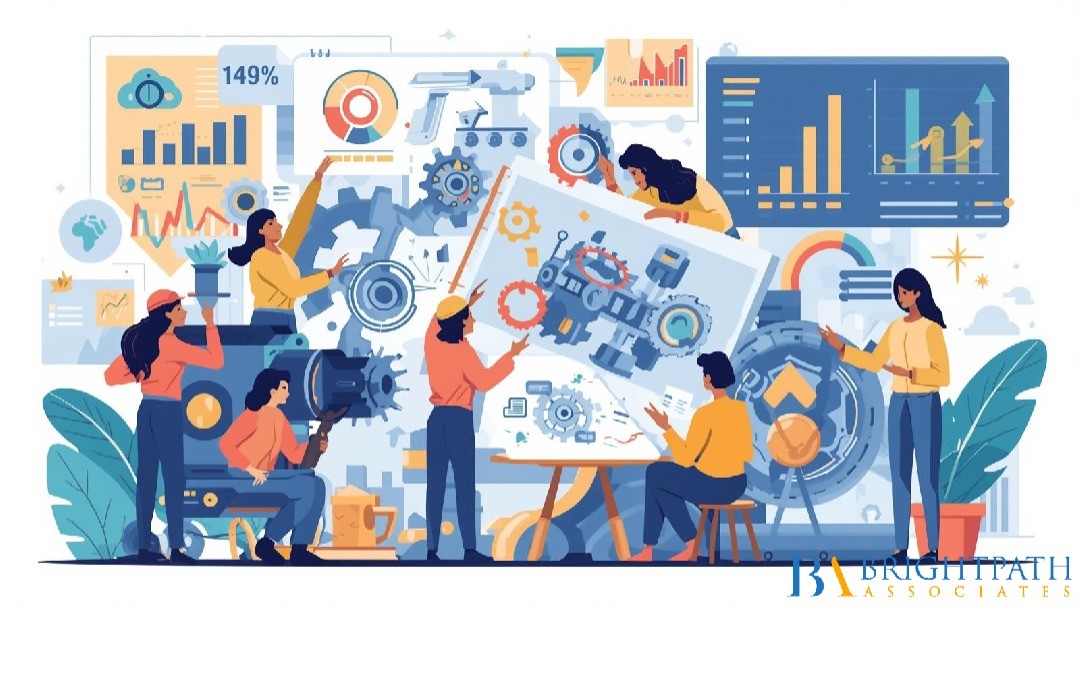
Introduction to Mechanical Engineering Business Trends
The #MechanicalEngineeringIndustry stands at a transformative point where technological advancement, digitalization, and shifting workforce dynamics are influencing the way companies operate and grow. From design and automation to advanced manufacturing, businesses must adopt a forward-looking strategy to remain competitive in today’s evolving industrial environment. Strategic planning plays an essential role in identifying emerging opportunities, mitigating risks, and aligning engineering competencies with long-term growth objectives.
In recent years, digital transformation has taken center stage across engineering-driven industries. Mechanical engineering companies are increasingly integrating advanced tools, automation technologies, and data-driven systems to improve accuracy, efficiency, and production speed. This integration is not only reshaping traditional workflows but also enabling organizations to deliver better value to clients while addressing rising market demands for innovation and sustainability.
As the industry moves toward smarter operations and engineering excellence, business leaders must remain agile, technologically aware, and strategically aligned with both customer needs and internal capabilities. Understanding these trends is the foundation for building a winning mechanical engineering business strategy.
Industry Dynamics and the Role of Leadership
Between 2023 and 2025, executive hiring practices in mechanical engineering have undergone significant changes. With rapid technological advancements and evolving market expectations, companies are seeking leaders who can drive digital adoption, oversee modernization efforts, and build resilient engineering teams. The traditional focus on technical expertise has expanded to include strong leadership, strategic decision-making, and the ability to innovate under pressure.
Leadership shortages have created notable challenges for small and mid-sized mechanical engineering companies. Many organizations struggle to attract executives who possess both engineering knowledge and the capacity to steer business transformation. This shortage impacts project efficiency, slows down innovation, and creates gaps in strategic direction. As the industry becomes more competitive, the absence of strong leadership can limit a company’s ability to scale.
Additionally, the expectations for engineering leaders are shifting. Modern executives must understand digital workflows, automation, sustainability goals, and cross-functional collaboration. This demand for visionary leadership is reshaping recruitment standards and prompting companies to invest in executive search partners who specialize in engineering and manufacturing sectors. Ultimately, aligning leadership with technological and operational needs is becoming essential for long-term success.
Strategic Insights: Blending Engineering and Leadership
Mechanical engineering design services are undergoing a transformation driven by emerging technologies and the need for precise, efficient workflows. Companies are adopting advanced CAD and CAM software to enhance their design capabilities, allowing for improved modeling, faster prototyping, and more accurate manufacturing processes. These tools reduce development time, minimize errors, and streamline collaboration between design, production, and engineering teams.
CAD/CAM integration is becoming the backbone of modern mechanical engineering. It supports complex product development cycles and enables engineers to visualize concepts digitally before committing resources to physical development. This advancement is driving innovation and helping companies meet client expectations for performance, reliability, and sustainability.
At the same time, #RoboticsEngineering and industrial automation manufacturing are reshaping production environments. Robotics systems are improving precision, reducing downtime, and automating repetitive or hazardous tasks. These advancements help companies maintain cost efficiency, boost productivity, and stay competitive in global markets. The intersection of robotics and mechanical engineering is creating new opportunities for businesses that embrace automation as part of their strategic roadmap.
Engineering consulting and product design must also align with broader strategic goals. Companies increasingly require consulting partners who understand market trends, operational constraints, regulatory expectations, and technological shifts. Aligning engineering services with business objectives ensures that design and development efforts support long-term growth, competitive differentiation, and operational excellence.
Navigating the Talent Landscape
One of the most pressing challenges for the mechanical engineering sector is overcoming recruitment difficulties, especially in executive and specialized technical roles. As the industry evolves, companies face increasing difficulty identifying leaders and engineers with the right mix of technical expertise, digital proficiency, and strategic mindset. Executive search recruitment plays a critical role in bridging these gaps by connecting organizations with high-level talent capable of driving transformation.
Manufacturing engineering is gaining significance in strategic business planning, as it influences everything from production processes to cost control and resource optimization. Skilled manufacturing engineers are essential for implementing advanced automation solutions, optimizing production lines, and maintaining operational efficiency. Companies that integrate manufacturing engineering insights into their strategic plans are better positioned to improve quality, reduce waste, and enhance scalability.
Skilled labor shortages and high turnover rates continue to affect hiring stability in the mechanical engineering industry. Organizations are addressing these challenges by improving employee training, establishing stronger career development pathways, and adopting digital tools that reduce dependency on large labor pools. Creating a positive workplace culture and investing in long-term workforce development are emerging as key strategies for retaining talent and ensuring continuity.
Harnessing Digital Transformation
#DigitalTransformation is profoundly influencing automotive industries, engineering consultancies, and manufacturing operations. Automation, intelligent systems, and artificial intelligence are becoming central components of modern engineering workflows. Companies that adopt these technologies gain the ability to enhance their design accuracy, improve production timelines, and adapt quickly to market changes.
Engineering consultancies are leveraging digital tools to expand their service offerings, improve project analysis, and deliver more data-driven insights to clients. As industries continue to adopt digital systems, engineering service providers that embrace transformation are better positioned to support clients navigating complex modernization initiatives.
Executive search recruitment is playing a pivotal role in this digital shift. Identifying leaders who understand the integration of digital technologies into mechanical engineering operations is critical for growth and sustainability. Executives with technological fluency can lead modernization projects, champion innovation, and create a future-ready engineering workforce. Digital transformation requires not only advanced tools but also leaders who can implement change effectively.
Future Trends and Conclusions
The future of mechanical engineering is shaped by continuous innovation, rapid technological evolution, and a growing emphasis on sustainability. Emerging trends such as additive manufacturing, intelligent automation, AI-driven design tools, and energy-efficient engineering practices will influence how companies operate in the coming years. Businesses that incorporate these advancements into their strategic plans will gain a competitive edge.
Decision-makers can benefit significantly from data-backed insights and real-world industry examples. Understanding how companies are adopting robotics, improving operational efficiencies, and overcoming leadership challenges provides valuable direction for developing future-ready strategies. Leaders must remain informed, adaptable, and proactive to drive organizational success.
#ExecutiveSearchRecruitment remains a vital solution to leadership shortages and industry transformation challenges. With the growing demand for engineering executives capable of managing technological change, organizations must prioritize recruiting visionary leaders who align with long-term strategic goals. Building strong leadership teams ensures that mechanical engineering companies can navigate evolving trends and sustain growth.
References
Purdue University’s Professional Master’s Program in Mechanical Engineering
Brightpath Associates LLC
Making Money on Digital in Mechanical Engineering
Leadership in Engineering
Find your next leadership role in Mechanical Engineering Industry today!
Stay informed with the latest insights on Mechanical Engineering Industry!