
Introduction
The #GlassIndustry has long been a critical component of the global construction and manufacturing ecosystem. From architectural glass used in modern infrastructure to specialty materials applied in electronics, renewable energy, and automotive production, glass manufacturing plays an essential role in enabling innovation across industries. However, the sector is currently facing a period of significant change driven by technological advancements, evolving sustainability expectations, and increasing competition across the broader construction materials landscape.
Companies operating within the glass, ceramic, and concrete sectors must now confront a fundamental question: how can they remain competitive in a market increasingly shaped by digital technologies and advanced manufacturing systems? Digital transformation is emerging as the most effective pathway for achieving operational efficiency, sustainability, and long-term growth. For small to mid-sized companies in particular, the ability to integrate digital tools into manufacturing operations, supply chain management, and strategic decision-making is becoming a defining factor of success.
At the same time, the industry faces a growing leadership talent shortage. As companies seek to adopt digital technologies, optimize production processes, and navigate complex regulatory environments, the demand for executives with both technical expertise and strategic leadership capabilities is increasing rapidly. The evolving nature of executive hiring and leadership development is therefore closely linked to the broader digital transformation of the industry.
The Changing Landscape of Glass Manufacturing
The global glass market is expanding as demand increases across sectors such as construction, renewable energy, electronics, and automotive manufacturing. Glass market analysis indicates that infrastructure development, urbanization, and sustainable building initiatives are major drivers of demand for high-performance glass products. Modern buildings increasingly rely on advanced glass solutions for energy efficiency, insulation, and aesthetic design.
At the same time, the broader construction materials industry is undergoing rapid technological evolution. Concrete industry trends show significant investment in advanced concrete technology aimed at improving durability, reducing emissions, and enhancing production efficiency. Similarly, ceramic manufacturing technology is evolving to incorporate automation, digital monitoring systems, and data-driven quality control mechanisms.
These developments highlight a larger shift toward technology-enabled manufacturing processes across the construction materials sector. Companies that fail to adapt to these changes risk falling behind competitors that are investing heavily in digital infrastructure and innovation. Digital transformation offers glass manufacturers the opportunity to modernize production systems, improve product quality, and respond more effectively to changing market demands.
Digital Transformation as a Competitive Imperative
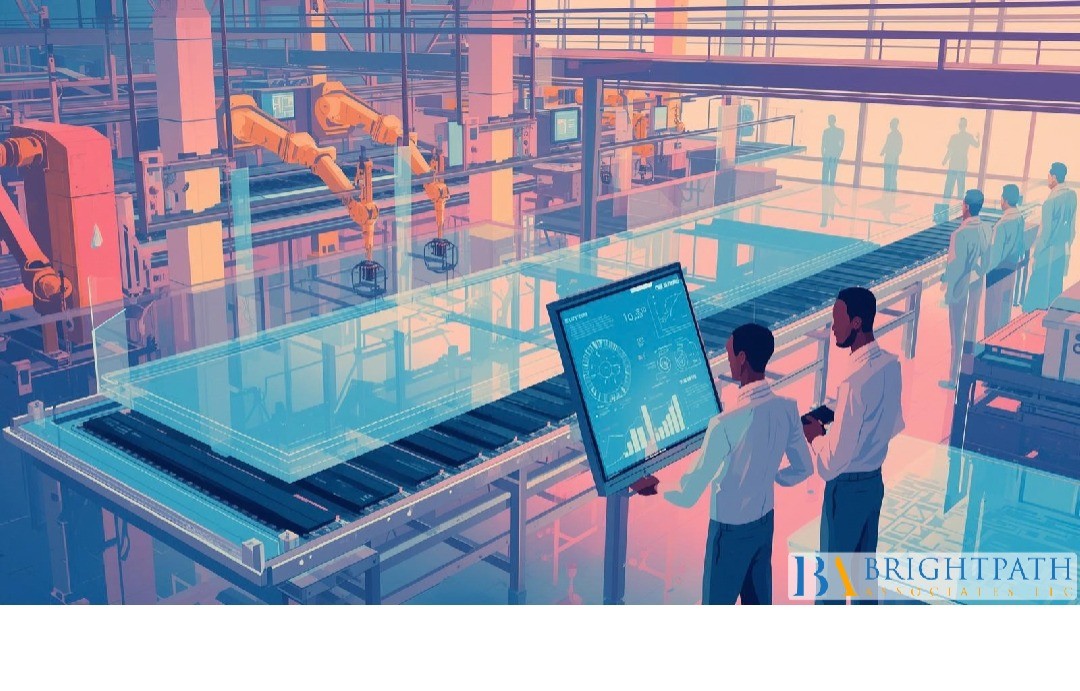
#DigitalTransformation in the glass industry involves integrating advanced technologies into manufacturing operations, supply chains, and strategic management practices. Automation systems, data analytics platforms, artificial intelligence tools, and predictive maintenance technologies are enabling manufacturers to operate more efficiently and make better-informed decisions.
One of the most immediate benefits of digital transformation is improved production efficiency. Modern glass manufacturing facilities rely on high-temperature furnaces, complex forming equipment, and precision quality control systems. By integrating digital monitoring tools and automated process controls, companies can optimize furnace performance, reduce material waste, and improve energy efficiency.
Concrete production efficiency offers a useful comparison for understanding the benefits of digitalization. Advanced concrete technology uses digital sensors and predictive analytics to monitor production processes and maintain consistent product quality. Similar approaches can be applied within the glass industry to enhance operational reliability and reduce downtime.
Digital transformation also supports innovation within the broader context of sustainable building materials. Glass manufacturers are increasingly developing products that improve energy efficiency in buildings, such as insulated glass units and solar control glazing. Digital design tools and simulation technologies allow engineers to experiment with new materials and product configurations more efficiently, accelerating innovation cycles.
Sustainability Driving Industry Transformation
Sustainability has become a defining theme across the construction materials sector, influencing everything from product design to manufacturing processes. Cement industry sustainability initiatives are focused on reducing carbon emissions associated with cement production, while ceramic industry growth is increasingly tied to environmentally responsible manufacturing practices.
For glass manufacturers, sustainability presents both challenges and opportunities. Glass production is energy-intensive, requiring extremely high temperatures to melt raw materials and form finished products. However, glass is also one of the most recyclable materials available, making it an important component of circular economy strategies.
Digital technologies play a critical role in helping manufacturers achieve sustainability goals. Advanced monitoring systems allow companies to track energy consumption, optimize furnace performance, and reduce emissions. Data analytics tools can identify inefficiencies in production processes and support continuous improvement initiatives.
By embracing digital transformation, glass companies can align their operations with the growing demand for sustainable building materials while also improving profitability and operational resilience.
Leadership Challenges in the Era of Digital Manufacturing
While digital transformation offers significant opportunities for growth and innovation, it also presents substantial leadership challenges. Executives within the glass, ceramic, and concrete industries must oversee complex technological transitions while maintaining operational stability and financial performance.
The responsibilities of modern industry leaders have expanded far beyond traditional manufacturing management. Executives are now expected to evaluate emerging technologies, implement digital transformation strategies, and oversee #SustainabilityInitiatives. They must also manage increasingly sophisticated supply chains and adapt to changing regulatory requirements.
However, many companies are experiencing a shortage of leadership talent with the expertise required to guide these initiatives. Professionals who possess deep knowledge of manufacturing operations, digital technologies, and strategic management are in high demand across the construction materials sector.
This leadership gap is particularly pronounced among small to mid-sized companies, which may lack the resources or internal talent pipelines necessary to develop executives with these specialized skills. As a result, organizations are increasingly exploring new approaches to executive recruitment and leadership development.
The Strategic Evolution of Recruitment Practices
Recruitment strategies within the construction materials industry are evolving to address the growing complexity of leadership roles. Traditional hiring methods often struggle to identify candidates with the multidisciplinary expertise required to lead modern manufacturing organizations.
#ExecutiveSearchRecruitment has emerged as a strategic solution to this challenge. This approach focuses on identifying and engaging highly qualified leadership candidates through targeted outreach, industry research, and professional networks. By leveraging specialized recruitment expertise, companies can locate executives who possess the technical knowledge, strategic insight, and leadership experience necessary to drive digital transformation initiatives.
Executive search recruitment also enables organizations to evaluate candidates based on a broader set of criteria than traditional hiring processes. In addition to technical qualifications, recruiters assess leadership style, innovation capabilities, and cultural alignment with the organization’s strategic goals.
For companies in the glass, ceramic, and concrete sectors, this approach provides access to a wider pool of potential leaders, including individuals who may not be actively seeking new roles but possess the expertise required to guide complex transformation efforts.
Building a Future-Ready Leadership Team
The successful implementation of digital transformation strategies depends heavily on the strength of an organization’s leadership team. Executives must possess the ability to manage technological innovation while maintaining operational excellence and financial discipline.
Leaders who understand glass industry innovation, construction materials recruitment dynamics, and emerging manufacturing technologies are better equipped to guide organizations through industry transitions. They can identify opportunities for efficiency improvements, develop strategies for sustainable production, and foster a culture of continuous innovation.
In addition to hiring experienced executives, companies must also invest in leadership development programs that prepare emerging managers for future leadership roles. By cultivating internal talent and combining it with targeted executive recruitment, organizations can build resilient leadership teams capable of adapting to changing market conditions.
The Future of Digital Transformation in the Glass Industry
The future of the glass industry will be shaped by the continued integration of digital technologies, advanced manufacturing systems, and sustainable production practices. Companies that successfully implement digital transformation strategies will gain significant advantages in operational efficiency, product innovation, and market responsiveness.
As construction demand grows and #SustainabilityRequirements become more stringent, glass manufacturers must adopt technologies that enable more efficient production processes and environmentally responsible operations. Digital tools will play a central role in achieving these objectives.
At the same time, leadership will remain a critical factor in determining which organizations succeed in this evolving landscape. Executives who can combine strategic vision with technical expertise will be essential for guiding companies through the complexities of digital transformation.
Conclusion: Leadership and Innovation as the Path Forward
The glass industry stands at a pivotal moment as technological innovation, sustainability priorities, and market competition reshape the broader construction materials sector. Digital transformation offers manufacturers the opportunity to improve efficiency, enhance product quality, and align their operations with the growing demand for sustainable building materials.
However, the successful implementation of these technologies requires strong leadership capable of navigating complex operational and strategic challenges. Companies must address leadership talent shortages and adopt more strategic recruitment approaches to secure executives with the expertise needed to drive innovation.
Executive search recruitment provides a powerful solution for organizations seeking to strengthen their leadership teams and support long-term growth. By identifying leaders who understand both manufacturing operations and digital transformation strategies, companies can position themselves for success in an increasingly competitive and technology-driven industry.
Ultimately, the glass manufacturers that embrace digital transformation while investing in visionary leadership will be best equipped to thrive in the evolving landscape of modern construction materials.
Find your next leadership role in Glass, Ceramic, Concrete Industry today!
Stay informed with the latest insights on Glass, Ceramic, Concrete Industry!