
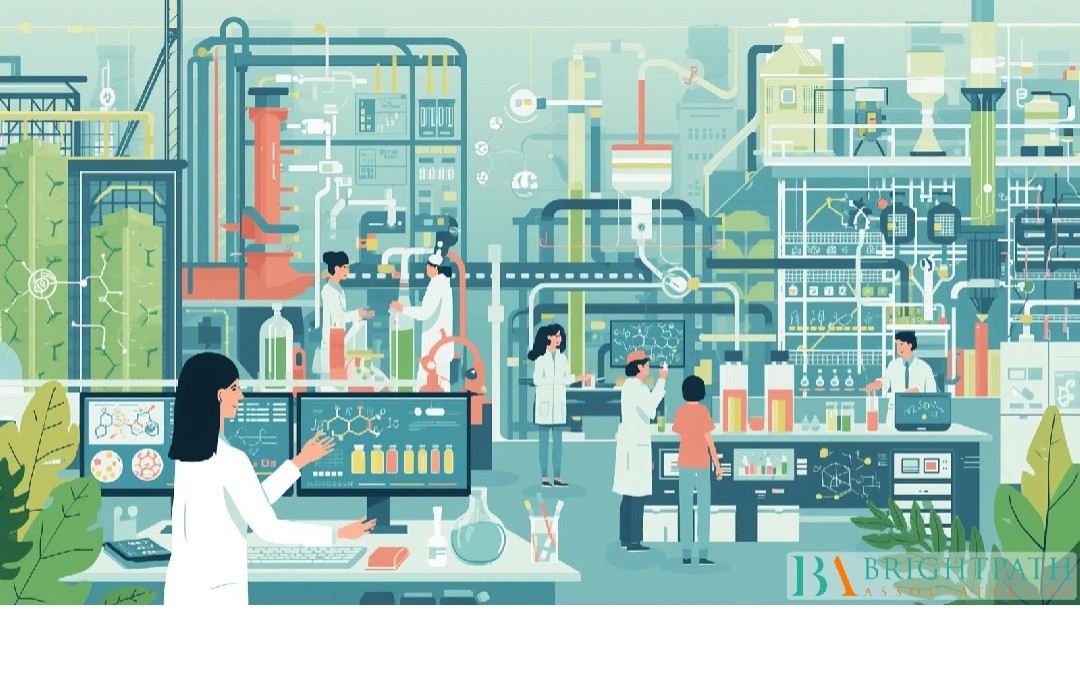
The global #ChemicalIndustry stands at a defining crossroads, shaped by accelerating technological disruption, sustainability imperatives, and an intensifying competition for leadership talent. For C-suite executives and founders of small to mid-sized chemical manufacturing firms, the next wave of innovation is not solely about advanced materials or process optimization—it is equally about securing the right leadership to navigate complexity, scale operations, and sustain competitive advantage. As chemical production systems evolve and regulatory landscapes grow more stringent, the demand for visionary leaders with both technical depth and strategic foresight has reached unprecedented levels.
The Strategic Importance of Leadership in Chemical Industry Transformation
Chemical industry trends are increasingly driven by a convergence of digitalization, sustainability, and global supply chain realignment. Organizations are investing heavily in chemical engineering advancements, smart manufacturing, and chemical process optimization to improve efficiency and reduce environmental impact. However, the success of these initiatives depends heavily on leadership capability. Leaders today must possess not only domain expertise in chemical plant operations but also the ability to integrate digital tools such as AI-driven analytics and automation systems into traditional production frameworks.
Industry data indicates that a significant percentage of chemical companies are struggling to fill senior leadership roles, particularly in operations, R&D, and supply chain management. This leadership gap is creating operational bottlenecks and slowing down innovation cycles. For small to mid-sized enterprises, the impact is even more pronounced, as limited resources make it difficult to compete with larger corporations for top-tier talent.
Evolving Role Expectations in Chemical Manufacturing Leadership
The expectations placed on executives in the chemical industry have shifted dramatically. Traditional leadership models focused primarily on operational efficiency and cost management are no longer sufficient. Today’s leaders are expected to drive innovation in developing sustainable chemical products while ensuring compliance with increasingly complex environmental and safety regulations.
Moreover, the integration of sustainability into core business strategies has elevated the importance of leaders who understand green chemistry principles and circular economy models. Executives must align chemical production processes with environmental goals, reduce carbon footprints, and ensure responsible sourcing within the chemical supply chain. This shift has created a demand for hybrid leaders—professionals who can bridge technical expertise with strategic vision and sustainability leadership.
In addition, #DigitalTransformation has introduced new competencies into executive roles. Leaders are now expected to leverage data analytics, predictive maintenance technologies, and digital twins to optimize plant operations. This evolution has widened the talent gap, as the pool of candidates who possess both chemical engineering expertise and digital fluency remains limited.
The Intensifying Talent Shortage and Its Business Impact
The shortage of qualified leadership talent in the chemical industry is not a temporary challenge but a structural issue. Several factors contribute to this shortage, including an aging workforce, limited influx of specialized talent, and increasing competition from adjacent industries such as pharmaceuticals, biotechnology, and advanced materials.
This scarcity of talent is having tangible business consequences. Companies are experiencing delays in project execution, inefficiencies in chemical process optimization, and challenges in maintaining compliance standards. Furthermore, the inability to secure strong leadership is hindering innovation efforts, particularly in areas such as sustainable product development and advanced chemical manufacturing techniques.
For small and mid-sized firms, the stakes are even higher. Without access to experienced leaders, these organizations risk falling behind in a rapidly evolving market. The ability to attract and retain top executive talent has become a critical determinant of long-term success and resilience.
Transforming Recruitment Practices in the Chemical Industry
In response to these challenges, recruitment practices within the chemical industry are undergoing a significant transformation. Traditional hiring methods, which rely heavily on internal networks and reactive recruitment strategies, are proving inadequate in addressing the current talent landscape.
Forward-thinking organizations are adopting more strategic approaches to talent acquisition, focusing on proactive identification and engagement of high-caliber candidates. This includes leveraging data-driven recruitment tools, expanding talent pools globally, and prioritizing diversity and inclusion in leadership hiring.
One of the most impactful shifts has been the growing reliance on specialized executive search recruitment services. These services enable companies to access a broader and more qualified talent pool, including passive candidates who may not be actively seeking new opportunities but possess the skills and experience required for critical leadership roles.
#ExecutiveSearchRecruitment also provides a structured and confidential approach to hiring, which is particularly important for senior-level positions. By partnering with experts who understand the nuances of the chemical industry, organizations can identify candidates who not only meet technical requirements but also align with their strategic vision and organizational culture.
Aligning Leadership with Innovation and Sustainability Goals
As the chemical industry continues to prioritize sustainability and innovation, aligning leadership capabilities with these objectives has become essential. Leaders must be equipped to drive initiatives such as reducing emissions, improving resource efficiency, and developing eco-friendly chemical products.
This alignment requires a deep understanding of both technical and regulatory aspects of the industry. Executives must navigate challenges in chemical industry compliance while ensuring that innovation efforts remain economically viable. The ability to balance these competing priorities is a key differentiator for successful organizations.
Moreover, the increasing complexity of global chemical supply chains necessitates leaders who can manage risk, ensure resilience, and respond effectively to disruptions. This includes developing strategies for sourcing raw materials, optimizing logistics, and maintaining operational continuity in the face of geopolitical and economic uncertainties.
Building a Future-Ready Leadership Pipeline
To address the ongoing talent shortage, chemical companies must take a long-term approach to leadership development. This includes investing in internal talent pipelines, providing continuous learning opportunities, and fostering a culture of innovation and collaboration.
However, internal development alone is not sufficient to meet the growing demand for leadership talent. Organizations must also look externally to bring in fresh perspectives and specialized expertise. This is where executive search recruitment plays a critical role, enabling companies to identify and attract leaders who can drive transformation and deliver strategic outcomes.
By combining internal development with external #RecruitmentStrategies, companies can build a robust and future-ready leadership pipeline. This approach not only addresses immediate talent needs but also ensures sustained growth and competitiveness in the long term.
The Strategic Imperative for Action
The next wave of chemical innovation will be defined not only by technological advancements but also by the ability of organizations to secure and empower the right leadership. As the industry continues to evolve, the importance of strategic talent acquisition cannot be overstated.
For C-suite executives and founders, the message is clear: addressing leadership gaps is not just an HR priority—it is a business imperative. Companies that proactively invest in executive search recruitment and adopt forward-looking talent strategies will be better positioned to navigate challenges, capitalize on opportunities, and lead the industry into the future.
In an environment where chemical manufacturing, sustainability, and digital transformation intersect, leadership excellence becomes the cornerstone of success. By recognizing the critical role of executive talent and taking decisive action to secure it, organizations can unlock new levels of innovation, efficiency, and growth in the ever-changing landscape of the chemical industry.