
Introduction
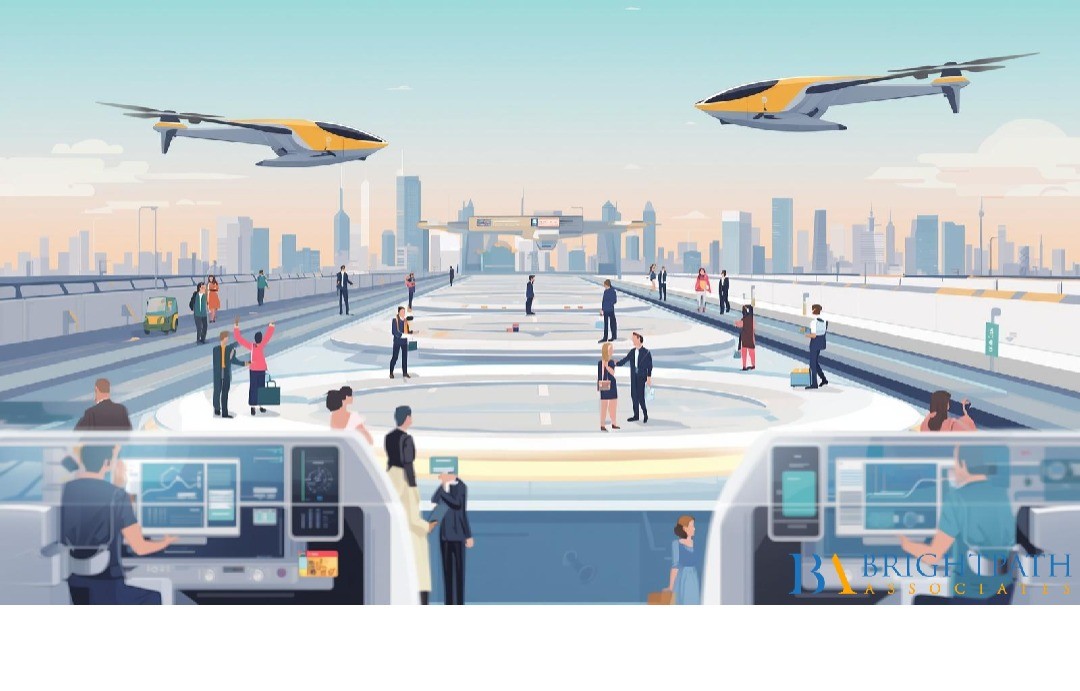
#AdvancedAirMobility (AAM) represents a transformative vision for urban transportation, leveraging innovative aerospace engineering solutions and cutting-edge technology to reimagine how cities manage mobility. This vision integrates near-ground and aerial operations into the urban mobility ecosystem, promising substantial efficiency improvements and unprecedented reductions in urban congestion. It signals a pivotal shift, especially for the aviation industry, which has witnessed sweeping changes in recruitment practices and the emergence of dynamic aerospace startups responding to these new opportunities and challenges. With urban populations expanding and environmental concerns mounting, the need for sustainable modes of transportation has never been more urgent.
The current state of the aviation sector is shaped by the pressing demand for skilled professionals and innovative solutions. As aircraft manufacturing companies in the USA and beyond accelerate the development of AAM capabilities, there is a matching increase in demand for talent capable of navigating these complex transitions. From engineers who specialize in electric propulsion systems to data analysts who optimize flight path efficiencies, the spectrum of necessary skills is broad and evolving. Executive search recruitment has become pivotal, aiding companies in bridging talent gaps and sustaining growth. This shift in the labor market underscores the critical need to align educational curricula with industry requirements, fostering a workforce equipped for the challenges and promises of AAM.
Understanding the Advanced Air Mobility Market
Recent Developments
Recent technological advances have significantly advanced the prospect of AAM, creating a fertile ground for innovative aircraft technologies and applications. Aerospace engineering solutions have evolved to create aircraft capable of vertical takeoff and landing, electric propulsion, and autonomous piloting, positioning traditional aircraft manufacturing companies to capitalize on burgeoning opportunities. These developments are not just limited to the airframe; advancements also extend to navigation systems, battery technology, and sustainable materials, promoting more environmentally responsible designs. In the USA, companies are especially keen on harnessing these advancements to remain competitive within the global aerospace market, as indicated in examples sourced from BrightPath Associates. The race is on for companies to secure their foothold in this emerging market, as early movers often gain a significant competitive edge.
Market Dynamics
The commercial aviation market is experiencing shifts that directly influence AAM initiatives. Notably, the aerospace supply chain management field is adapting to these changes as the sector aligns with emerging demands for efficiency and innovation. As companies transition toward AAM, they must rethink their supply chain infrastructure, identifying partnerships that can facilitate rapid production of electric and hybrid-electric aircraft components. FAA regulations for aviation also play a crucial role; they create both opportunities and hurdles for AAM technologies, as compliance and safety standards continue to evolve. As new technologies develop, the regulatory landscape will also need to adapt, which may involve re-evaluating existing standards to pave the way for innovative operational frameworks.
Key Players and Innovations
Aerospace Startups
#AerospaceStartups are at the forefront of AAM innovations, bringing fresh perspectives and disruptive technologies that challenge the status quo. This new wave of companies drives investment trends in space exploration technology, thereby influencing AAM by pushing technological boundaries and exploring new markets. Many of these startups are founded by experienced aerospace professionals who are disillusioned with traditional industry practices and seek to innovate. The commitment of these new players injects vital energy and creativity into the sector, particularly in niche areas such as urban air mobility and cargo delivery drones, which have captured investors’ imaginations.
Role of Established Aviation Companies
Established defense aviation industry players are engaging in strategic collaborations to advance urban air mobility. Recognizing both the challenges and opportunities presented by AAM, these companies leverage their extensive experience, robust infrastructure, and established relationships with governmental regulatory bodies to enhance their influence in the sector. These collaborations expand the reach and capabilities of traditional aerospace companies, promoting a holistic approach to AAM that includes public-private partnerships and cross-industry alliances. Key strategies of American aircraft manufacturing companies are particularly focused on integrating advanced technologies while complying with FAA regulations to enhance the feasibility of AAM. This integrated approach allows for resource sharing, risk mitigation, and accelerated innovation cycles, putting these companies in a position to respond dynamically to market changes.
Challenges in the Advanced Air Mobility Sector
Regulatory Hurdles
Regulatory hurdles pose a significant challenge for AAM, necessitating a critical review of FAA regulations that govern operational protocols. These regulations are central to developing robust aviation safety management systems essential for maintaining the integrity and safety of AAM operations. The FAA’s role is not just limited to rulemaking; it also involves extensive consultations with industry stakeholders to understand the potential impacts of regulatory changes. Moreover, specialized aerospace supply chain management frameworks must be developed to support the operational needs of AAM technologies. As the industry grows, so does the need for transparent frameworks that can adapt to the fast-paced advancements in technology and operations.
Safety and Efficiency
#SafetyConcernsDominate the discourse around AAM, necessitating strategies to overcome potential challenges associated with the vehicles. The emergence of Autonomous Aerial Vehicles (AAVs) raises questions about safety protocols, pilot certification, and emergency response mechanisms. Enhanced aviation safety management systems are pivotal, providing the framework for operational safety. The industry’s commitment to continuous improvement in the face of technological advancement ensures that safety remains the utmost priority, allowing for sustainable growth in AAM initiatives. Continuous training and simulation programs for operators and emergency responders will be crucial as AAM operations become more commonplace in urban areas.
Talent Acquisition and Leadership in AAM
Recruitment Trends
The demand for specialized skills within aerospace engineering, analytics, and executive leadership has amplified the importance of effective aviation industry recruitment strategies. The changing landscape of AAM requires not just technical experts but also visionaries who can drive strategic decisions in this evolving field. #ExecutiveSearchRecruitment, as highlighted by BrightPath Associates, provides strategic solutions tailored to address these leadership gaps, ensuring that the industry’s senior-level talent pool is both robust and well-equipped to lead AAM ventures. Networking and collaboration among educational institutions and industry leaders are crucial to creating pathways for emerging talent to enter the field.
Challenges in Hiring
The aerospace industry faces notable challenges in sourcing leadership talent capable of adapting to shifting expectations. A shortage of experienced professionals in emerging technologies, coupled with the need for leaders who understand complex regulatory environments, further complicates hiring efforts. This is exacerbated by the evolution of recruitment practices from 2023 to 2025, with new strategies targeting C-suite executives more aggressively. Companies must design recruitment campaigns that clearly articulate the vision of AAM, enticing potential candidates who are driven by the desire to make a meaningful impact. Investors and companies alike are recognizing the need for recruitment strategies that accommodate the nuances of this talent market, ensuring sustained innovation and leadership continuity.
The Future of Urban Air Mobility
Integration with Existing Systems
For AAM to unlock its full potential, it must seamlessly integrate into existing transportation infrastructures, thereby enhancing urban mobility systems overall. This is not merely a logistical challenge but a pivotal redesign of urban planning paradigms that has ramifications across various sectors. Such integration heralds significant changes in how cities are structured, predicted to increase demand for AAM services and technologies by 2030. The potential market size underscores the importance of strategic planning today. Cities profiling themselves as ‘smart cities’ are increasingly adopting a holistic approach to mobility, incorporating AAM into their transportation networks along with electric vehicles and public transit options.
Strategic Outlook
The trajectory of the AAM sector promises sweeping long-term impacts on urban living and global aviation. #AerospaceCompanies and startups are encouraged to adopt proactive strategies that align with evolving regulatory landscapes, market demands, and technological advancements. Companies must foster collaborative innovation, embracing diverse talents and partnerships that propel the entire sector forward. By cultivating symbiotic relationships among industry players, regulators, and academic institutions, the aerospace sector can design AAM solutions that are not only technologically advanced but also socially responsible and environmentally sustainable.
Conclusion
In conclusion, the transformative potential of Advanced Air Mobility hinges on the industry’s commitment to innovation, safety, and strategic leadership. The journey toward a more mobile and efficient urban landscape requires synergistic efforts from diverse stakeholders, each contributing their unique strengths and insights. As aerospace engineering solutions advance, the combined efforts of various sector stakeholders will ensure that AAM not only redefines urban mobility but also reshapes the aviation landscape comprehensively. Adherence to evolving FAA regulations, solid aerospace supply chain management practices, and the cultivation of aviation safety management systems will collectively chart a sustainable course for AAM development. As outlined in insights from recruitment experts like BrightPath Associates, executive search recruitment remains a cornerstone to finding visionary leaders who will guide this evolutionary journey. The future holds immense promise, and with the right investments in people and technology, AAM can redefine how we think about transportation in our cities.
Find your next leadership role in Aviation and Aerospace Industry today!
Stay informed with the latest insights on Aviation and Aerospace Industry!