
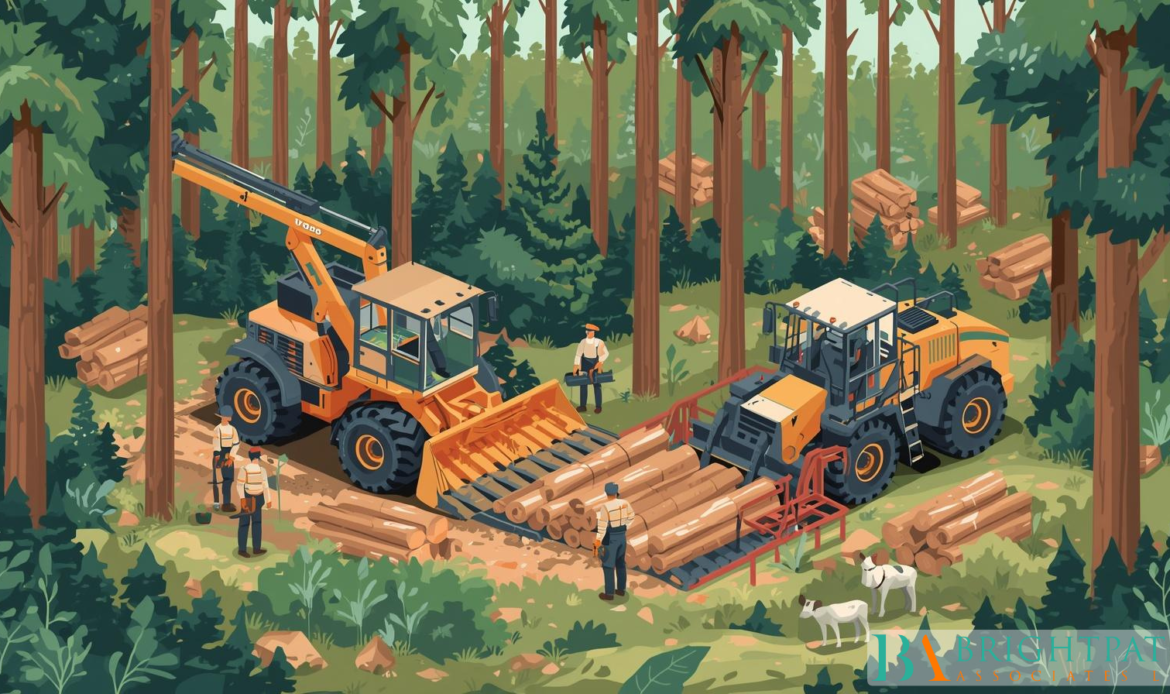
Introduction
#TimberHarvesting has evolved from a traditional resource extraction activity into a sophisticated, technology-driven process that sits at the intersection of sustainability, operational efficiency, and global demand for renewable materials. For C-suite executives and founders of small to mid-sized paper and forest companies, the challenge is no longer simply about maximizing yield but about balancing productivity with environmental responsibility and long-term resource management.
The growing demand for sustainable materials, coupled with stricter forestry regulations and increasing scrutiny from stakeholders, is reshaping how organizations approach timber harvesting. At the same time, advancements in paper and pulp technology, forest product innovation, and digital transformation are opening new opportunities for efficiency and growth. However, these opportunities also bring complexity, particularly in leadership and talent acquisition, where companies are facing significant shortages of skilled executives capable of navigating this evolving landscape.
The Shift Toward Sustainable Timber Harvesting Practices
Sustainability has become a central pillar of the timber and paper industry. Companies are under increasing pressure to adopt environmentally responsible practices that minimize deforestation, preserve biodiversity, and reduce carbon emissions. Sustainable timber harvesting involves careful planning, selective logging, and reforestation initiatives that ensure long-term resource availability.
Forestry regulations are becoming more stringent, requiring organizations to comply with standards related to land use, conservation, and environmental impact. These regulations are not only shaping operational practices but also influencing strategic decision-making at the executive level. Leaders must ensure compliance while maintaining profitability, a balance that requires both technical expertise and strategic foresight.
In addition, paper recycling solutions are gaining prominence as companies seek to reduce reliance on virgin materials. The integration of recycled fibers into production processes is helping organizations meet sustainability goals while optimizing resource utilization. This shift highlights the importance of innovation in achieving both environmental and economic objectives.
Enhancing Efficiency Through Technology and Innovation
#TechnologicalAdvancements are playing a critical role in improving the efficiency of timber harvesting operations. Modern equipment, automation, and data analytics are enabling companies to optimize resource extraction, reduce waste, and improve productivity.
Forest product innovation is driving the development of advanced tools and systems that enhance precision and efficiency in harvesting processes. For example, the use of GPS-enabled machinery and remote sensing technologies allows companies to monitor forest conditions, plan harvesting activities, and minimize environmental impact.
Paper and pulp technology is also evolving, with innovations aimed at improving processing efficiency and product quality. Automation in wood product manufacturing is reducing labor-intensive tasks and enabling faster production cycles, contributing to overall operational efficiency.
These advancements are not only improving performance but also creating new requirements for leadership. Executives must be capable of integrating technology into their operations and leveraging data-driven insights to make informed decisions. This shift underscores the need for leaders who can bridge the gap between traditional forestry practices and modern technological capabilities.
Market Dynamics and Economic Pressures
The paper industry economics are influenced by a range of factors, including global demand, raw material costs, and supply chain dynamics. Timber harvesting plays a crucial role in determining the availability and cost of raw materials, making it a key component of the industry’s value chain.
Lumber industry trends indicate a growing demand for wood products driven by construction, packaging, and renewable energy applications. At the same time, fluctuations in market conditions and geopolitical factors can create uncertainty, requiring companies to adopt flexible and resilient strategies.
For small to mid-sized organizations, navigating these economic pressures requires a combination of operational efficiency and strategic planning. Leaders must be able to anticipate market trends, manage costs, and identify opportunities for growth. This level of strategic thinking is essential for maintaining competitiveness in a dynamic and often volatile market.
Leadership Challenges in the Paper and Forest Industry
As the industry evolves, leadership roles are becoming increasingly complex. Executives are expected to manage a wide range of responsibilities, from ensuring compliance with forestry regulations to driving innovation and sustainability initiatives.
The demand for skilled leaders who can navigate these challenges is growing, but the supply of qualified candidates remains limited. This talent shortage is particularly pronounced in small to mid-sized companies, which often face difficulties in attracting and retaining top talent.
In addition to technical expertise, modern executives must possess strong leadership skills, including the ability to manage diverse teams, foster innovation, and drive organizational change. They must also be adept at balancing short-term operational goals with long-term strategic objectives, ensuring that their organizations remain sustainable and competitive.
The Evolving Role of Executive Search Recruitment
In response to leadership talent shortages, #ExecutiveSearchRecruitment has become an essential tool for companies seeking to build strong leadership teams. This approach goes beyond traditional hiring methods by focusing on identifying and engaging candidates who possess the specific skills and experience required for complex roles.
Executive search recruitment enables organizations to access a broader talent pool, including passive candidates who may not be actively seeking new opportunities. This is particularly valuable in the paper and forest industry, where specialized expertise is often required.
By leveraging executive search recruitment, companies can ensure that they are selecting leaders who are aligned with their strategic goals and capable of driving innovation and growth. This targeted approach to hiring is critical for addressing leadership gaps and supporting long-term success.
Aligning Talent Strategy with Industry Transformation
To effectively navigate the changing landscape of timber harvesting and paper production, companies must align their talent strategies with industry trends. This involves identifying key skill gaps, developing leadership pipelines, and investing in employee training and development.
Organizations must also adapt to changing workforce expectations, offering opportunities for career growth, flexibility, and meaningful work. By creating a supportive and engaging work environment, companies can improve talent retention and attract high-quality candidates.
Executive search recruitment plays a key role in this process by helping organizations identify leaders who can drive transformation and support strategic initiatives. By aligning talent acquisition with business objectives, companies can build resilient and future-ready organizations.
Building Resilience Through Sustainable Practices and Innovation
Resilience is becoming a defining characteristic of successful paper and forest companies. Organizations must be prepared to respond to environmental challenges, regulatory changes, and market fluctuations while maintaining operational efficiency.
Sustainable timber harvesting practices and #ForestProduct innovation are critical components of this resilience. By adopting environmentally responsible practices and leveraging advanced technologies, companies can reduce risks and enhance their long-term viability.
Leadership is central to building this resilience. Executives must be able to anticipate challenges, adapt to changing conditions, and guide their organizations through periods of uncertainty. This requires a combination of strategic vision, operational expertise, and a commitment to continuous improvement.
Conclusion: Driving Efficiency and Sustainability Through Strategic Leadership
Timber harvesting is undergoing a transformation driven by sustainability, technology, and evolving market dynamics. For small to mid-sized paper and forest companies, the ability to balance efficiency with environmental responsibility is essential for long-term success.
However, achieving this balance requires strong leadership and a strategic approach to talent acquisition. Addressing leadership talent shortages and adapting to evolving executive roles are critical for navigating the complexities of the modern industry landscape.
Executive search recruitment provides a powerful solution, enabling organizations to secure the leadership talent needed to drive innovation, ensure compliance, and achieve sustainable growth. By aligning operational strategies with effective talent management, companies can position themselves for success in an increasingly competitive and dynamic market.
Find your next leadership role in Paper & Forest Products Industry today!
Stay informed with the latest insights on Paper & Forest Products Industry!