
Introduction to Renewable Energy Technologies
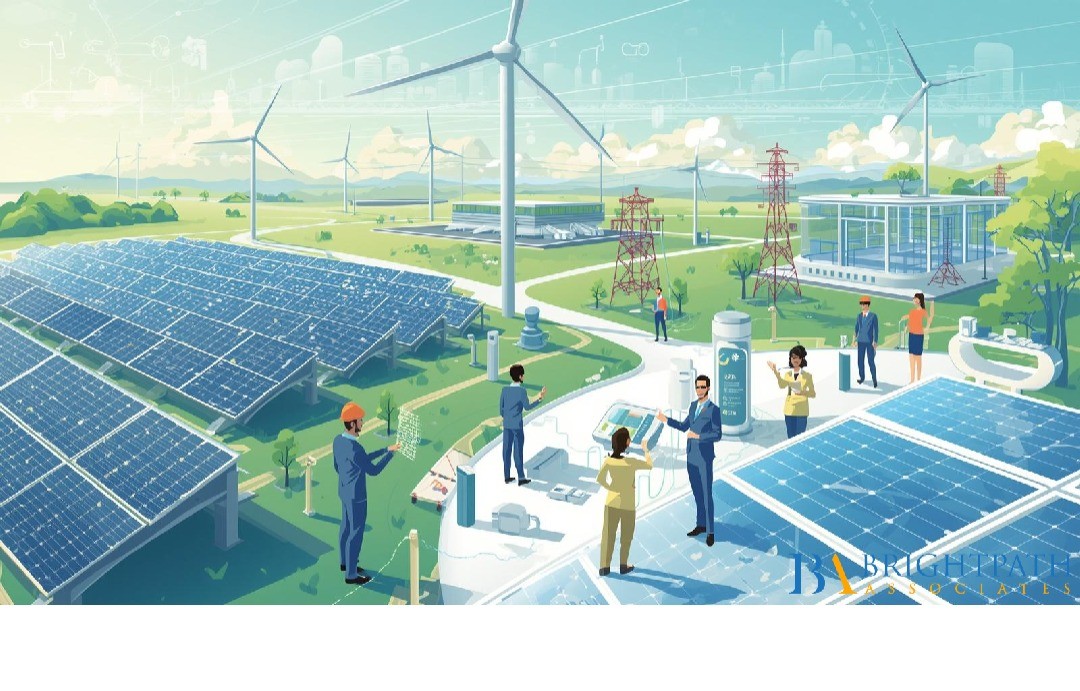
#RenewableEnergyTechnologies have gained profound significance in today’s modern world as societies strive to combat the escalating challenges posed by climate change. These technologies play a pivotal role in promoting environmental sustainability and have become crucial in the fight against industrial air pollution. By harnessing energy from natural sources—such as the sun, wind, and water—renewable energy technologies mitigate the adverse impacts of conventional energy sources. This transition signifies not just an effort to sustain current energy demands but also a broader commitment to preserving our planet for future generations. The increasing reliance on renewable energy sources reflects a growing recognition that sustainable practices are essential for long-term ecological balance.
Current Trends in Renewable Energy
In recent years, there has been a notable shift towards clean technology as countries around the globe gradually transition from fossil fuels to green technology. This transition is characterized by rapid advancements that enhance environmental innovation and sustainability, fundamentally reshaping the energy landscape. From solar panels embedded in urban infrastructure to expansive offshore wind farms that harness coastal breezes, the renewable energy sector is witnessing a dynamic evolution. Moreover, energy storage technologies, such as advanced batteries and pumped hydroelectric power, are becoming vital in balancing supply and demand, thus ensuring a reliable energy supply. This shift is not only reducing greenhouse gas emissions but is also pioneering a new era of environmental services that include groundbreaking waste management solutions and efficient water treatment technologies. As governments and businesses recognize the economic advantages of investing in renewable energy, this trend is likely to accelerate, leading to enhanced energy independence and resilience against fluctuating fossil fuel prices.
Environmental Challenges and Technological Solutions
As #RenewableTechnologies proliferate, they pave the way for innovative solutions in environmental compliance and industrial pollution control. For instance, the development of smart grid technology is revolutionizing how energy is distributed and consumed, promoting efficiency and reducing wastage. Waste management solutions are becoming more sophisticated, employing advanced sorting mechanisms and automation to efficiently handle waste and minimize ecological impact. This technological leap allows for increased recycling rates and optimized resource recovery. Water treatment, a crucial component of environmental services, is also benefiting from these advancements, offering cleaner and more efficient processes that ensure safe drinking water while minimizing harmful byproducts. Such innovations underscore the critical link between pressing environmental challenges and the technological solutions that provide a sustainable living pathway. The proactive approach in integrating technology into environmental management helps foster a more informed society that prioritizes ecological integrity.
The Role of Executive Search in Environmental Services
As the environmental services landscape evolves, the strategic role of #ExecutiveSearchRecruitment becomes increasingly evident. This sector requires highly skilled professionals capable of pushing the envelope on environmental innovation and sustainability. Navigating the complexities of environmental regulations, technological advancements, and market demands necessitates leaders who are not only technically proficient but also visionary in their approach. The strategic evolution of executive search within the environmental consulting industry is indispensable in sourcing leadership talent that can navigate these complexities while driving forward essential sustainability efforts. The insights gained through meticulously identifying and placing leaders enhance organizational capabilities, fostering a culture of innovation that can address pressing environmental concerns effectively.
Emerging Dynamics in Executive Hiring
Within the clean technology sector, leadership talent shortages present a significant challenge against a backdrop of shifting role expectations. Traditional leadership profiles are evolving, and as companies continue to innovate, the demand for executives who are adept at managing both technological and environmental complexities is growing. This evolution in the landscape of environmental consulting calls for leadership that is not only visionary but can also adapt to new industry standards and changing regulatory frameworks. Companies are increasingly seeking executives with a blend of technical expertise and strategic foresight capable of steering organizations through multifaceted challenges. Executive recruitment plays an essential role in bridging the gap by identifying leaders who are not only skilled but also committed to advancing the green technology agenda, ensuring that the right talent is in place to propel the sector towards a more sustainable future.
Case Studies and Practical Examples
Practical examples abound, illustrating the successful implementation of renewable energy technologies across various industries. For instance, numerous corporations have integrated solar energy solutions to power their facilities, showcasing not only the feasibility but also the financial benefits of adopting green technology. Companies like Google and Apple have made significant strides in achieving 100% renewable energy for their operations, serving as benchmarks for corporate responsibility. There are also compelling case studies highlighting how effective leadership has propelled companies toward greater environmental innovation. For example, Tesla’s commitment to electric vehicles and sustainable energy products exemplifies how leadership can drive the entire industry forward. These success stories offer valuable insights into how executive search recruitment can be instrumental in achieving these ambitious goals, demonstrating that the intersection of technological advancement and strategic leadership can yield significant #EnvironmentalBenefits.
Conclusion: The Path Forward with Renewable Energy
In conclusion, the tech revolution brought on by renewable energy technologies presents both opportunities and challenges. Companies are required to adapt, innovate, and spearhead efforts that align with the vision of a sustainable future. The role of clean technology executive search in addressing leadership gaps and advancing the industry cannot be understated. As the sector grows and evolves, fostering a skilled leadership pipeline becomes critical to sustaining momentum in renewable energy adoption. The recruitment of adept leaders remains imperative in steering the industry towards a greener, more sustainable world—where innovation thrives, and ecological footprints are minimized. As we look ahead, it is clear that the integration of renewable energy technologies will not only shape the future of energy consumption but also define the trajectory of global environmental health.
References
Acknowledgment of sources and reference to websites for further reading, including brightpathassociates.com.
Several references show the importance of renewable energy solutions in contemporary environmental services, providing a broader understanding of trends and strategic hiring.
Find your next leadership role in Environmental Services Industry today!
Stay informed with the latest insights on Environmental Services Industry!