
Introduction
The traditional #SupplyChain model has faced unprecedented challenges in recent years, prompting a reevaluation of its efficacy and sustainability. In response, small manufacturers are increasingly adopting a model known as the “Local Loop,” which emphasizes localized production and supply chain sovereignty. This shift is particularly evident within the plastics industry, where companies are striving to reclaim control over their supply chains. This article explores how these manufacturers are navigating this transformation, analyzing the implications for plastics industry recruiters, supply chain management, competitive analysis, and more.
Understanding the Local Loop
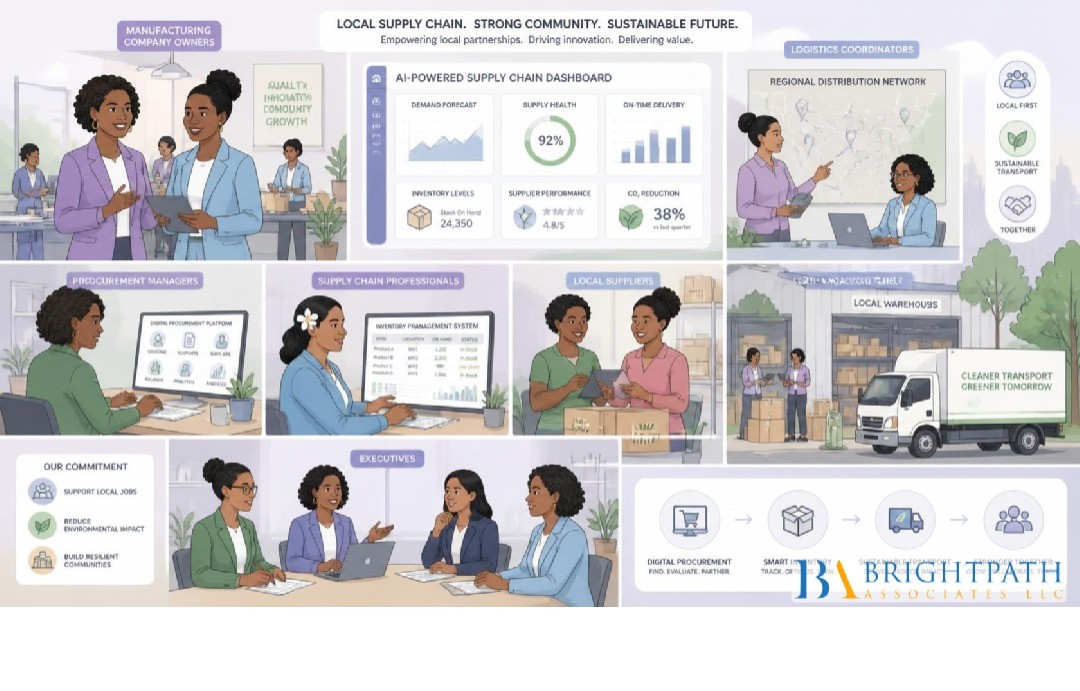
The #LocalLoopConcept involves sourcing materials, manufacturing, and distributing products within a localized area. This approach mitigates the vulnerabilities exposed by global disruptions, such as those witnessed during the COVID-19 pandemic. For small manufacturers in the plastics sector, the Local Loop offers a promising strategy to enhance resilience and reduce dependency on global supply chains.
Localized supply chains offer several advantages. By reducing transportation distances, companies can lower their carbon footprint and contribute to more sustainable practices. Additionally, local sourcing allows for faster response times to market changes, enabling companies to adapt quickly to evolving consumer demands. For plastics industry recruiters, this shift presents an opportunity to tap into local talent pools, fostering economic growth within communities.
Plastics Industry Supply Chain Management
Effective #SupplyChainManagement is vital for the success of the Local Loop model. In the plastics industry, this involves strategic planning to ensure the availability of raw materials and the efficient operation of manufacturing processes. Companies must invest in modern supply chain technologies and develop robust partnerships with local suppliers. These efforts are crucial for maintaining a steady flow of materials and minimizing disruptions.
Investment in advanced plastics manufacturing technology is essential for small manufacturers aiming to thrive within the Local Loop framework. Automation, data analytics, and digital platforms can enhance operational efficiency and product quality. By adopting these technologies, companies can optimize their supply chains and gain a competitive edge.
Competitive Analysis in the Plastics Industry
Competitive analysis within the plastics industry has taken on new dimensions as companies embrace localized supply chains. By focusing on local markets, manufacturers can better understand #ConsumerPreferences and identify niche opportunities. This localized approach allows for more targeted marketing efforts and the development of customized product offerings.
While the Local Loop emphasizes local production, it does not preclude market expansion. Plastics market expansion strategies must be carefully crafted to balance local focus with global aspirations. Companies can leverage their local success stories to establish brand recognition and credibility, facilitating entry into new markets.
Risk Management and Economic Trends
The shift towards localized supply chains requires a reevaluation of risk management strategies. Small manufacturers must identify potential risks, such as supply chain disruptions or regulatory changes, and develop contingency plans. Understanding plastics economic trends is also crucial for anticipating market fluctuations and making informed business decisions.
Strategic partnerships are a key component of the Local Loop model. By collaborating with local suppliers, distributors, and other stakeholders, small manufacturers can build a resilient network capable of withstanding external shocks. These partnerships not only enhance supply chain efficiency but also contribute to the broader plastics industry innovation ecosystem.
Global Leadership and Innovation Ecosystem
The Local Loop model, while focused on local production, can also elevate a company’s global leadership status. By demonstrating a commitment to sustainability and community development, manufacturers can position themselves as industry leaders. This approach aligns with the growing demand for ethical and environmentally responsible business practices.
#ExecutiveSearchRecruitment plays a crucial role in supporting this transformation. Identifying visionary leaders who understand the intricacies of localized supply chains is essential for driving innovation and maintaining competitive advantage. These leaders are tasked with navigating the complexities of the plastics industry supply chain management and fostering an environment of creativity and collaboration.
Conclusion
The Local Loop represents a paradigm shift in how small manufacturers approach supply chain sovereignty. By embracing localized production and strategic partnerships, companies can enhance their resilience and competitiveness. The plastics industry, in particular, stands to benefit from this model, as it offers a pathway to sustainable growth and global leadership. As the industry continues to evolve, the Local Loop will likely play an increasingly significant role in shaping the future of supply chain management and economic development.
Find your next leadership role in Plastics Industry today!
Stay informed with the latest insights on Plastics Industry!