
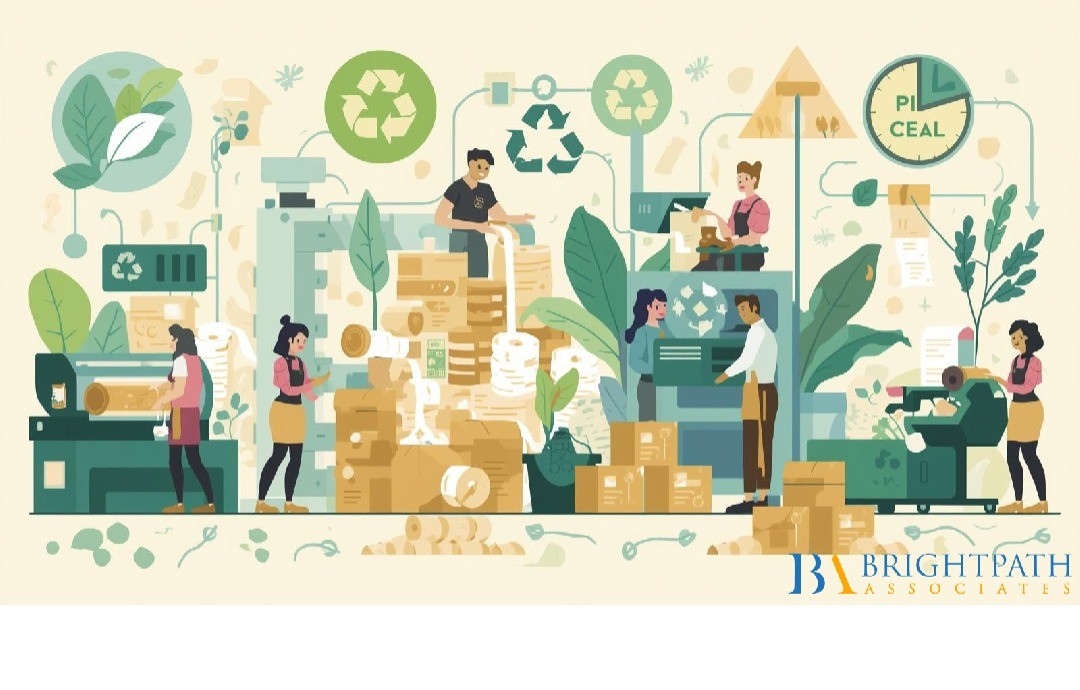
Overview of Sustainable Materials in the Paper Industry
#SustainableMaterials within the paper sector are becoming increasingly essential as businesses shift towards eco-friendly practices, aiming not only to address consumer demand for greener products but also to comply with burgeoning environmental regulations. High-quality recycled pulp stands out among these materials as a significant innovation. By reusing pulp, companies not only reduce the demand for raw materials but also minimize their carbon footprint, which is critical in combating climate change. This dual benefit of cost savings and environmental preservation makes recycled pulp a go-to option for conscientious businesses. Additionally, as consumers become more eco-aware, the preference for products derived from recycled materials continues to rise, further validating the shift towards sustainable sourcing in the paper industry.
The Current Landscape of Paper Recycling Solutions
In 2025, paper recycling solutions have evolved with remarkable innovations, reflecting a broader trend towards sustainability that is taking root across various industries. These advancements play a crucial role in forest product innovation, enabling industries to utilize recycled materials efficiently and sustainably. For instance, the introduction of sophisticated sorting technologies and automated recycling systems has increased the purity and quality of recycled pulp, thus widening its applications. Improvements in recycling technology have positioned paper recycling as a cornerstone for sustainable development in the industry, reducing waste and addressing landfill overflows. Moreover, growing awareness and education about the benefits of recycling have resulted in increased participation rates in recycling programs, thereby enhancing the supply chain for recycled materials.
Paper and Pulp Technology: Advancements and Trends
With ongoing developments in paper and pulp technology, the industry sees a convergence of improved efficiency and sustainability. Advanced #RecyclingProcesses, such as enzymatic treatments and mechanical pulping innovations, along with enhancements in pulp manufacturing techniques, have increased productivity while minimizing waste and energy use. These advancements significantly benefit small to mid-sized businesses economically, enabling them to participate competitively in a market that increasingly values sustainability. The reduction in operational costs coupled with enhanced product quality and the appeal of sustainable practices make this an attractive sector for investment. Furthermore, these trends encourage smaller enterprises to adopt green business models, motivating them to enhance their offerings and embrace eco-labeling, which can lead to broader consumer acceptance and loyalty.
Timber Harvesting and Forestry Regulations Impact
The impact of changes in timber harvesting and forestry regulations significantly affects how businesses source materials. Modern regulations promote responsible and sustainable harvesting practices, aiming to protect forests while ensuring the long-term viability of the timber supply chain. These regulations influence the availability and sourcing of high-quality recycled pulp, necessitating that businesses adapt to comply with these changing standards. Companies that embrace compliance not only fulfill legal obligations but also cultivate a reputation for sustainability, appealing to increasingly eco-conscious consumers. Highlighting the need for innovative solutions in sourcing and logistics, businesses must embrace technology and innovative practices to streamline operations while ensuring ethical procurement of materials. This adaptive approach not only secures necessary resources but also enhances corporate sustainability credentials, which can translate into market differentiation and potential financial gain.
Challenges and Opportunities in the Lumber Industry
Prevailing trends in the lumber industry impact sustainable material sourcing, presenting both challenges and opportunities. While some traditional practices face scrutiny due to their environmental impact, the shift towards innovative wood product manufacturing creates unique pathways for sustainable growth. Challenges remain, particularly in adapting to the rapid pace of technological change and fluctuating #ConsumerPreferences. However, emphasizing eco-friendly practices can lead to competitive advantages and access to new markets for innovative companies. Additionally, the integration of sustainable practices within the lumber industry can pave the way for value-added products that meet green certifications, enabling businesses to tap into a consumer base willing to pay a premium for sustainability. Therefore, overcoming challenges in the lumber sector not only furthers environmental goals but also serves as a catalyst for economic growth and diversification within the industry.
Business Implications for C-suite Executives
Leadership challenges and talent shortages in the industry necessitate strategic solutions, especially as businesses navigate the complexities of fostering sustainability. The evolving landscape from 2023 to 2025 underscores the need for robust executive search recruitment strategies tailored specifically for sustainability leaders. This ensures businesses can secure leaders equipped to navigate complex sustainability challenges and drive transformation within their companies. Effective leadership in this context means fostering a culture of innovation and adaptability, critical qualities for achieving long-term sustainability objectives. Moreover, C-suite executives must prioritize training and development for existing staff to cultivate a workforce that is committed to sustainable practices, thereby enhancing both organizational capability and employee engagement. This approach not only mitigates leadership gaps but also empowers all organizational levels to contribute toward sustainability goals.
Case Study: Successful Integration of Sustainable Practices
Successful cases highlight the pivotal role of #ExecutiveLeadership in integrating sustainable practices. For instance, organizations that have adopted comprehensive sustainability strategies tend to outperform their competitors not only in environmental metrics but also in profitability. These examples showcase how strategic vision and decisive action can lead to substantial environmental and economic benefits. Leadership not only facilitates the adoption of sustainable sourcing but also fosters a culture that prioritizes long-term sustainability. Companies that effectively communicate their sustainability goals and progress can enhance brand loyalty and trust among consumers. Additionally, as stakeholder expectations evolve, businesses that lead from the front in integrating and promoting sustainable practices are more likely to thrive in increasingly competitive markets.
Conclusion
Sourcing sustainable materials, such as high-quality recycled pulp, is crucial for the future of small businesses in the paper industry. Embracing these practices is essential, not just from an environmental perspective, but also from a business continuity standpoint. Companies that proactively integrate sustainable practices into their operations are positioned to capitalize on emerging market trends and consumer preferences, driving both growth and sustainability. Adapting to industry trends and leveraging executive leadership solutions like those offered by firms such as Brightpath Associates enables companies to stay ahead in a competitive market. As businesses strive for sustainability, they not only contribute positively to the environment but also secure their economic future in a world increasingly focused on green initiatives.
References
Brightpath Associates’ expertise in #ExecutiveSearchRecruitment is pivotal for aligning leadership with sustainable initiatives. Industry data and credible examples throughout the article underscore the importance of strategic executive recruitment in addressing leadership gaps and driving industry growth. As businesses continue to transform and adapt, the role of knowledgeable and committed leaders becomes ever more critical in shaping a sustainable future for the paper industry.
Find your next leadership role in Paper & Forest Industry today!
Stay informed with the latest insights on Paper & Forest Industry!