
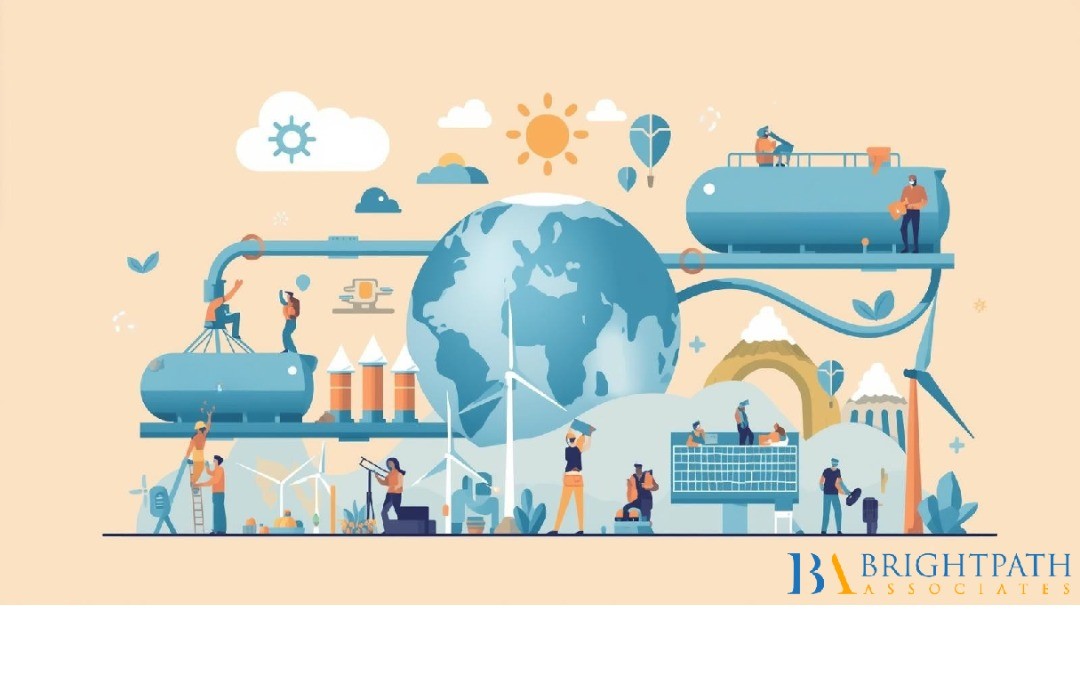
Introduction to Natural Gas in the Energy Transition
Understanding Natural Gas’ Place in the Global Energy Mix
As the world grapples with climate change and the pressing need for #SustainableEnergySolutions, the role of natural gas in the global energy mix becomes increasingly significant. Natural gas represents one of the major players in the energy transition, playing a key role in bridging the gap between traditional fossil fuels and cleaner energy sources. With its relatively lower carbon emissions compared to coal and oil, natural gas serves as a cleaner alternative while still catering to the growing global energy demands. This transitional fuel not only assists in meeting the immediate needs for energy but also sets the stage for future advancements in energy technologies that could further reduce environmental impacts.
Role of Natural Gas in Bridging Fossil Fuels to Clean Energy
In your quest for sustainable energy solutions, natural gas presents itself as a valuable transition fuel that supports the shift from high-carbon fossil fuels toward renewable energy sources. It offers the reliability that renewable sources currently struggle to consistently provide, thereby ensuring energy security while helping to gradually decrease carbon emissions. Furthermore, as facilities and technologies for renewable energy continue to develop and proliferate, natural gas can easily fill the gaps during periods of low renewable output, making it an indispensable part of a balanced and robust energy strategy.
Natural Gas and Energy Security
How Natural Gas Enhances Energy Security
Natural gas plays a crucial role in enhancing energy security. Its abundance and versatility in applications—from electricity generation to domestic heating—make it a dependable choice for many nations. The established and growing infrastructure for its distribution ensures that #NaturalGas remains a stable and secure option for energy needs. Additionally, the ability to store natural gas provides further flexibility and resilience in response to fluctuating demand patterns, safeguarding against potential disruptions in supply. This adaptability is particularly critical in regions where energy needs can spike unexpectedly, highlighting its importance in maintaining a stable energy landscape.
The Impact of LNG Infrastructure on Global Energy Supply
The development of LNG (liquefied natural gas) infrastructure has significantly impacted the global energy supply. By facilitating the transportation of natural gas over long distances, LNG infrastructure enhances global energy interconnections and supports the diversification of energy suppliers. This, in turn, strengthens energy security by reducing dependency on a single source, thus avoiding potential geopolitical conflicts surrounding energy access. Furthermore, as LNG terminals proliferate, they are increasingly positioned to support trade routes that optimize cost and reliability, fostering a more interconnected global energy market.
Natural Gas as a Tool for Reducing Carbon Emissions
Comparing Natural Gas to Other Fossil Fuels in Emissions
Natural gas boasts lower carbon emissions compared to other #FossilFuels such as coal and oil. If you’re concerned about environmental impact, using natural gas substantially decreases the amount of carbon dioxide released into the atmosphere, making it a preferable option in the energy mix. Along with lower greenhouse gas emissions, natural gas combustion produces fewer local pollutants, which contributes to improved air quality. This characteristic makes natural gas not only a cleaner option for energy production but also a critical ally in efforts to combat urban smog and health issues associated with air pollution.
Transitioning to Cleaner Energy Through Natural Gas
Natural gas positions itself as a stepping stone in the journey toward cleaner energy. As investments in renewable technologies continue to grow, natural gas offers the flexibility needed to accommodate intermittent renewable energy supplies, thus facilitating a smoother transition overall. This integration is essential for regions that are heavily dependent on fossil fuels; natural gas allows for a gradual decrease in reliance on more polluting energy sources without sacrificing energy needs. In this context, natural gas acts as a bridge today while setting the foundation for a cleaner, greener energy landscape tomorrow.
Natural Gas in Power Generation
The Benefits of Using Natural Gas for Power Generation
In the realm of power generation, natural gas excels due to its efficiency and lower emission levels. It serves as an excellent choice for generating electricity with less #EnvironmentalImpact, providing consistent and reliable power that is essential for both industrial and residential needs. Moreover, natural gas power plants feature quicker ramp-up times compared to traditional coal-fired plants, enabling grid operators to meet demand spikes without delay. This operational flexibility is invaluable in an era where energy demand is subject to rapid fluctuations, particularly during peak usage periods.
Challenges and Opportunities in Integrating Natural Gas with Renewable Energy
While natural gas complements renewable energy, integration presents challenges, such as the need for infrastructure upgrades and policy changes. However, these challenges bring opportunities for innovation and technological advancement, pushing natural gas to the forefront in the drive towards a more sustainable energy sector. Collaborative projects between the natural gas and renewable sectors can lead to breakthroughs that enhance efficiency and sustainability, further entrenching natural gas as a linchpin of future energy frameworks. By fostering partnerships and investments in both sectors, a more resilient energy ecosystem can develop, better equipped for the challenges of the future.
Advancements and Innovations in Natural Gas Technology
Emerging Technologies in Natural Gas Extraction and Use
Technology continues to transform the natural gas sector, with emerging advancements in extraction and usage techniques improving efficiency and environmental performance. #HydraulicFracturing and horizontal drilling are examples of how technology has made natural gas more accessible and economically viable. As technology evolves, new methods are being explored that promise to reduce the environmental footprint of gas extraction further. Innovations such as advanced data analytics and automation can lead to safer operations and minimize the impact on local ecosystems, thus enhancing the overall sustainability of the industry.
How Innovations in LNG are Shaping the Industry
In the LNG sector, technological innovations have streamlined processes, reduced costs, and enhanced safety and efficiency. Innovations such as floating LNG platforms and advances in liquefaction technology are making natural gas more competitive on the global stage. These improvements not only help lower the barriers to entry for countries looking to enter the LNG market but also enhance the scalability of LNG projects, allowing for dynamic adjustments to meet differing demand scenarios. Furthermore, increased efficiency in LNG transport and storage can lead to reduced emissions throughout the supply chain, further solidifying LNG’s role in a cleaner energy future.
The Executive Perspective: Navigating the Energy Transition with Natural Gas
The Role of Executive Search in the Evolving Natural Gas Sector
As natural gas solidifies its role in the global energy mix, the demand for strategic leadership is paramount. #ExecutiveSearch firms play a vital role in identifying leaders who can navigate the complexities of this evolving sector, ensuring organizations remain at the forefront of the energy transition. These leaders must not only possess a deep understanding of energy market dynamics but also have the vision to implement innovative approaches that promote sustainable practices. The capacity to adapt to rapidly changing regulatory environments and market conditions will be critical as the natural gas sector continues to evolve in the coming years.
Strategic Planning for Natural Gas in a Sustainable Energy Future
Strategic planning is essential for positioning natural gas as a cornerstone of a sustainable energy future. It’s crucial to balance investments in natural gas infrastructure with those in renewable technologies, thereby ensuring both immediate energy security and long-term sustainability. This balancing act requires foresight and a commitment to responsible investment that prioritizes environmental considerations. As stakeholders work towards aligning their operational goals with global sustainability objectives, the planning process must incorporate comprehensive assessments of available technologies and market trends, fostering a collaborative strategy that benefits all parties involved.
Future Outlook of Natural Gas in the Global Energy Mix
Predictions for Natural Gas in the Short and Long Term
You can expect natural gas to maintain a significant presence in the short term, driven by global energy demands and cleaner environmental policies. In the long term, as renewable technologies mature, the role of natural gas will likely evolve, supporting a more diverse and #SustainableEnergy mix. Analysts predict that while natural gas will continue to serve as a primary energy source for many regions, it will also need to adapt to the increasing penetration of renewables. This adaptability will underline the importance of innovation and the development of hybrid systems that can leverage the strengths of both natural gas and renewables.
Continuing the Journey Towards a Sustainable and Secure Energy Future
The journey towards a sustainable energy future requires a balanced approach, integrating natural gas with advancing renewable solutions. By continuing to innovate, strategize, and invest wisely, you can ensure a secure and sustainable global energy landscape. The transition requires a concerted effort from all industry stakeholders—including governments, energy companies, and communities—to foster an environment conducive to sustainable growth. It is through this collaborative framework that a cleaner, more secure energy future can be achieved, benefiting both the planet and its inhabitants.
Conclusion
Recap of Natural Gas’ Role and Importance
Natural gas remains crucial in the global energy mix, offering a bridge to a low-carbon future and a reliable energy source. Its role in reducing #CarbonEmissions, enhancing energy security, and supporting renewable energy integration underscores its importance. As the energy landscape continues to evolve, the contributions of natural gas will be critical in ensuring that we meet our energy needs sustainably and responsibly.
Your Path Forward in an Evolving Energy Landscape
Embracing and adapting to advancements in the natural gas sector while integrating renewable technologies will help you navigate the evolving energy landscape. You play a crucial role in shaping a secure and sustainable future, promoting energy solutions that benefit the environment and the global community. The choices made today regarding energy production, consumption, and investment will set the trajectory for future generations, influencing how societies interact with their energy resources in a rapidly changing world.