
Introduction
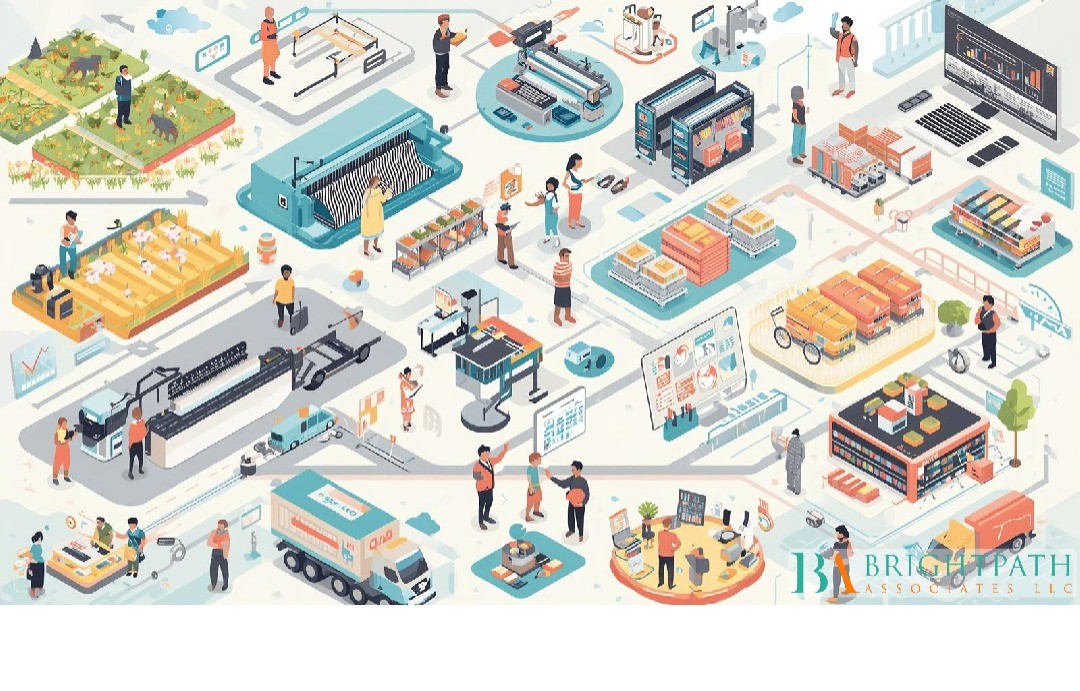
The #TextileIndustry operates within one of the most complex and globally interconnected supply chains, where efficiency, transparency, and innovation are critical for competitiveness. Small to mid-sized textile companies face mounting pressure to optimize operations, reduce costs, and meet increasing consumer demands for high-quality, sustainable, and fast-fashion products. The supply chain in textiles spans multiple stages, including raw material sourcing, spinning, weaving or knitting, dyeing and finishing, garment manufacturing, and distribution. Each of these stages presents unique challenges and opportunities that directly influence operational efficiency, profitability, and market responsiveness.
In this dynamic landscape, understanding the fundamentals of the textile supply chain is no longer optional. Decision-makers must strategically align processes, technologies, and talent to navigate a sector marked by globalization, technological disruption, and evolving regulatory expectations. The strategic oversight of this supply chain extends beyond day-to-day operations to encompass long-term planning, sustainability initiatives, and innovation-driven investment decisions.
Raw Material Sourcing and Sustainability Considerations
The foundation of the textile supply chain lies in raw material sourcing, which significantly affects both production costs and environmental impact. Cotton, polyester, wool, and other fibers constitute the primary inputs for textile manufacturing, and the choice of supplier, quality standards, and sourcing practices can determine operational efficiency. Sustainability considerations are increasingly influencing sourcing decisions, as companies integrate organic fibers, recycled materials, and closed-loop systems to reduce their ecological footprint.
Supply chain digitization has enhanced traceability from farm or production site to final product. Blockchain applications in textile logistics provide real-time visibility into material provenance, helping companies comply with environmental regulations and meet consumer demand for ethical sourcing. This level of transparency strengthens brand reputation and enables companies to differentiate themselves in a competitive market while mitigating risks associated with labor standards and environmental compliance.
Advanced Manufacturing Technologies and Operational Efficiency
Once raw materials are procured, textile manufacturing incorporates multiple processes, including spinning, weaving, knitting, dyeing, and finishing. Each stage requires precise coordination and resource optimization to maintain quality and control costs. The adoption of advanced textile manufacturing technologies, such as automated looms, computer-controlled knitting machines, and robotics in dyeing and finishing, has significantly increased operational efficiency.
#DataAnalytics play a central role in modern textile manufacturing, providing insights into equipment performance, process bottlenecks, and production yield. Cognitive automation in textile logistics enhances workflow coordination, reduces human error, and allows companies to adjust production schedules based on real-time market demand. By leveraging these technologies, companies can accelerate turnaround times, minimize waste, and maintain consistent product quality—a critical factor in meeting client expectations and sustaining profitability.
Distribution Networks and Global Market Dynamics
Distribution networks are integral to the textile supply chain, connecting manufacturers to wholesalers, retailers, and ultimately end consumers. The globalization of the textile industry has introduced both opportunities and challenges, including exposure to geopolitical risks, fluctuating trade regulations, and variations in transportation infrastructure across regions.
Companies that proactively manage these complexities gain a competitive edge by ensuring timely delivery, cost optimization, and adaptability to changing market conditions. Integration of data-driven logistics solutions, predictive inventory management, and demand forecasting enables more efficient distribution networks. Textile companies are increasingly investing in technology-driven supply chain platforms that provide end-to-end visibility, allowing leaders to identify inefficiencies, anticipate disruptions, and optimize resource allocation.
Investment Trends and Strategic Planning in Textiles
Investment in the textile supply chain extends beyond production equipment to include technologies that enable operational intelligence, sustainability, and scalability. Strategic planning is essential for small to mid-sized companies seeking to balance cost efficiency with growth objectives. Investments in closed-loop systems, sustainable materials, and smart manufacturing solutions not only improve environmental performance but also increase market competitiveness.
Financial and #StrategicPlanning in textiles now considers multiple dimensions, including material procurement costs, energy efficiency, waste reduction, and potential regulatory impacts. Companies that incorporate data analytics into supply chain planning can make evidence-based decisions, optimizing resource allocation while identifying areas for innovation and improvement. Investment trends also reflect a growing emphasis on agile supply chains capable of responding quickly to changes in consumer behavior and global market conditions.
Talent, Leadership, and Executive Oversight
The effective management of a complex textile supply chain requires a combination of operational expertise and strategic leadership. While technology and process improvements are critical, human capital remains a central factor in achieving excellence. Leadership talent shortages in the textile industry can hinder the ability to implement digital transformation initiatives, optimize production workflows, and respond to market volatility.
Executive Search Recruitment offers a solution for companies seeking highly skilled leaders who can navigate both operational and strategic challenges. These leaders are expected to integrate advanced technologies, drive sustainable initiatives, and enhance decision-making across the supply chain. In addition to recruitment, leadership development programs and succession planning are essential for building a pipeline of talent capable of sustaining long-term organizational growth. This single paragraph underscores the importance of strategic leadership without overemphasizing hiring, while positioning executive search as a strategic enabler.
Risk Management and Resilience in Supply Chains
#TextileCompanies operate within an environment susceptible to disruption, whether from raw material shortages, geopolitical conflicts, natural disasters, or sudden shifts in consumer demand. Supply chain resilience is increasingly vital for maintaining operational continuity and competitive positioning. Strategies to enhance resilience include supplier diversification, multi-sourcing, and building buffer inventory to mitigate supply shocks.
Risk management also incorporates real-time monitoring of key performance indicators across production and distribution networks. Advanced analytics allow companies to simulate various scenarios, evaluate potential impacts, and implement contingency plans proactively. The integration of digital tools and predictive models enhances agility, enabling textile companies to respond swiftly to unforeseen events while maintaining service levels and cost efficiency.
Sustainability as a Driver of Competitive Advantage
Sustainability has moved from a regulatory compliance requirement to a core component of competitive strategy in textiles. Companies are embracing initiatives such as water and energy-efficient production processes, recycled fibers, and waste reduction programs to meet consumer and investor expectations. Sustainable practices are increasingly linked to financial performance, as studies show that environmentally conscious organizations achieve higher market valuations and stronger customer loyalty.
Closed-loop systems, in which materials are recycled or repurposed at the end of their life cycle, are gaining traction as a way to reduce environmental impact while controlling costs. Leaders who embed sustainability into supply chain planning can align business operations with broader corporate social responsibility goals, enhancing brand reputation and enabling access to new markets focused on ethical and environmentally responsible products.
The Role of Data and Digital Innovation
Digitization is revolutionizing textile supply chain management, providing unprecedented visibility, control, and insight into every stage of production and distribution. Textile industry supply chain digitization enables real-time tracking of materials, predictive maintenance of machinery, and optimization of workflows to reduce waste and increase throughput.
#BlockchainApplications and cognitive automation support secure data sharing, transparency, and operational efficiency. Leaders leveraging these tools can identify inefficiencies, make faster and more informed decisions, and continuously refine processes to improve productivity. Data-driven decision-making is now central to achieving operational excellence, ensuring that companies can maintain quality, cost-effectiveness, and responsiveness in a highly competitive environment.
Strategic Outlook and Competitive Implications
The future of textile supply chains will be defined by the integration of technology, sustainability, and leadership excellence. Companies that embrace advanced manufacturing technologies, digital innovation, and strategic investment in supply chain capabilities will gain a competitive advantage. Agile, resilient, and data-driven supply chains are essential for responding to global market dynamics, managing risk, and meeting evolving consumer expectations.
Leaders who combine operational insight with strategic vision will be best positioned to drive growth, optimize resource utilization, and implement sustainable practices. Strategic collaboration with technology providers, suppliers, and logistics partners will further enhance efficiency and innovation. This holistic approach ensures that small to mid-sized textile companies can compete effectively on a global scale while remaining adaptable to future disruptions.
Conclusion
Textile supply chains are at the intersection of technology, sustainability, and strategic leadership. By understanding the intricacies of raw material sourcing, manufacturing processes, distribution networks, and digital innovation, companies can build supply chains that are both efficient and resilient. Strategic planning, investment in advanced technologies, and the development of capable leaders are critical for navigating disruptions and capitalizing on growth opportunities.
#ExecutiveSearchRecruitment and founders, the challenge lies in fostering a culture of continuous improvement, operational intelligence, and forward-thinking leadership. Companies that successfully integrate these elements into their supply chain strategy will not only achieve operational excellence but also secure a sustainable competitive advantage in the global textile industry.
Find your next leadership role in Textile Industry today!