
Introduction
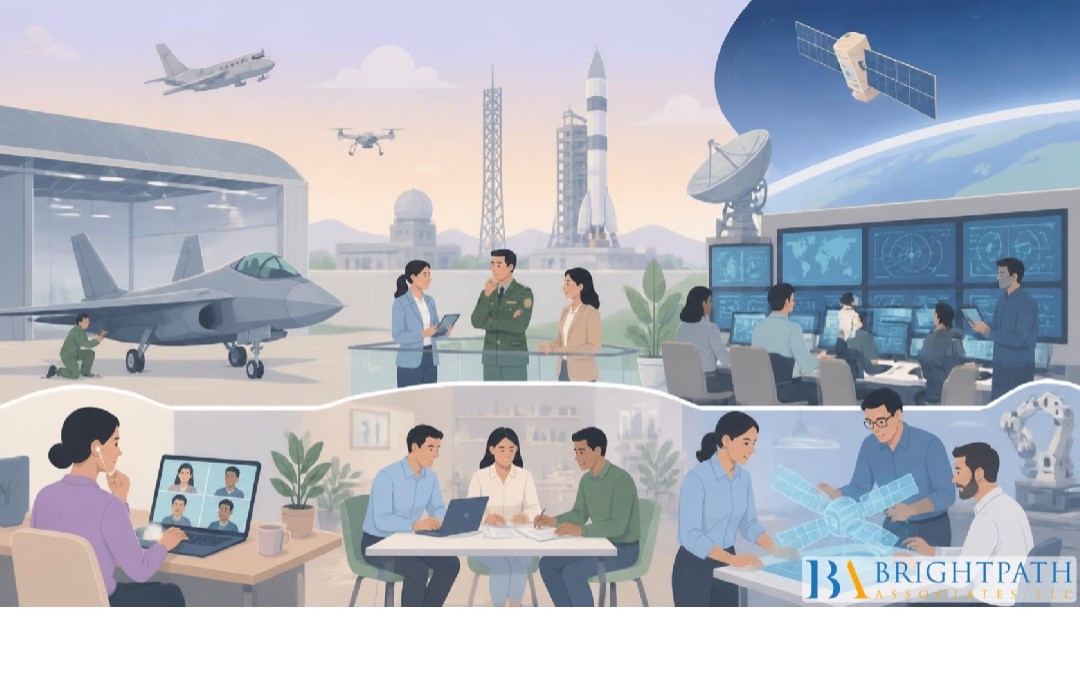
The evolution of the workplace, particularly in high-security sectors such as defense and #AerospaceIndustry, has ushered in a new era of hybrid working models. This shift, necessitated by the global pandemic, has inadvertently highlighted the challenges and opportunities in retaining top talent. In this comprehensive blueprint, we explore strategies to enhance talent retention in these crucial industries, focusing on areas like Defense Space Systems, Space Cybersecurity, and more.
The Dynamics of High-Security Sectors
High-security sectors, such as those involved in Defense Space Systems and Aerospace industry trends, operate under unique constraints. These industries require stringent compliance with Space Regulatory frameworks, an understanding of Defense Space Policy, and a commitment to innovation in Space Electronics and Space Robotics. These complexities necessitate a workforce that is not only highly skilled but also adaptable to rapidly changing technological landscapes.
The post-remote era has pushed organizations to adopt hybrid work models, blending remote and in-office work. This model presents an opportunity to attract and retain talent by offering greater flexibility. However, it also poses challenges, particularly in maintaining security protocols and ensuring collaboration in sectors like Space Cybersecurity and Defense Cybersecurity.
To address these issues, organizations must invest in robust digital infrastructure and cybersecurity measures. This investment ensures that sensitive information remains protected while allowing employees the flexibility to work from various locations.
Enhancing Employee Engagement and Satisfaction
#EmployeeEngagement is a critical factor in talent retention. In high-security sectors, where the work can be highly demanding, fostering a culture of engagement and satisfaction becomes even more vital. Companies can achieve this by offering opportunities for career development, such as training in emerging fields like Space Robotics and Defense Simulation.
Moreover, the integration of #ExecutiveSearchRecruitment strategies can help identify and nurture top talent, ensuring that employees feel valued and have a clear path for advancement within the organization.
The aerospace and defense industries are facing a talent shortage, exacerbated by the rapid pace of technological advancements and the specific skill sets required. Strategic recruitment, particularly in areas like Space Venture Capital and Space Regulatory compliance, is essential. Organizations need to adopt innovative recruitment strategies, utilizing data-driven approaches to identify candidates with the requisite skills and potential for growth.
Furthermore, partnerships with educational institutions can help bridge the skills gap by providing training and internship opportunities that prepare the next generation of professionals for careers in high-security sectors.
Fostering a Culture of Innovation and Collaboration
Innovation is the lifeblood of the aerospace and defense industries. Encouraging a culture that supports creativity and collaboration can significantly enhance talent retention. This involves creating environments where employees are empowered to explore new ideas and take calculated risks.
Organizations should also facilitate cross-departmental collaboration, particularly between teams working on different aspects of Defense Space Systems, Space Robotics, and Space Cybersecurity. Such collaboration can lead to innovative solutions and a more cohesive workplace culture.
Staying ahead of industry trends is crucial for retaining talent in high-security sectors. The aerospace industry is constantly evolving, with new technologies and methodologies emerging regularly. Companies must ensure that their employees are equipped with the latest knowledge and skills to remain competitive.
Investing in continuous learning and professional development programs can help employees stay updated with the latest aerospace industry trends. This not only enhances their skill sets but also increases their loyalty to the organization, as they see a commitment to their personal and professional growth.
The Impact of Space Venture Capital
Investment in #SpaceTechnologies through Space Venture Capital can drive innovation and growth in the industry. For organizations, attracting venture capital is not just about funding projects; it’s also a testament to their potential and innovation capabilities. Employees are more likely to stay with a company that is perceived as a leader in its field, with strong financial backing and a clear vision for the future.
Compliance with Space Regulatory requirements is a non-negotiable aspect of operating in high-security sectors. These regulations ensure the safety and security of operations but can also pose challenges in terms of flexibility and innovation. Organizations must strike a balance between stringent compliance and fostering an environment that encourages creativity.
By involving employees in the regulatory process and providing training on the importance and implications of these regulations, companies can build a workforce that is not only compliant but also engaged and motivated to contribute to the organization’s success.
Conclusion
In conclusion, talent retention in high-security sectors, particularly in the post-remote hybrid era, requires a multifaceted approach. Organizations must embrace hybrid work models that offer flexibility while ensuring security and collaboration. By focusing on employee engagement, strategic recruitment, innovation, and compliance, companies can build a resilient workforce that is equipped to navigate the challenges and opportunities of the future.
The aerospace and defense industries are on the cusp of significant transformation, driven by advancements in Defense Space Systems, Space Cybersecurity, and Space Robotics. Those that succeed in retaining top talent will be the ones that create an environment where employees are valued, empowered, and inspired to contribute to groundbreaking advancements in these critical fields.
Find your next leadership role in Defense and Space Industry today!
Stay informed with the latest insights on Defense and Space Industry!