
Introduction
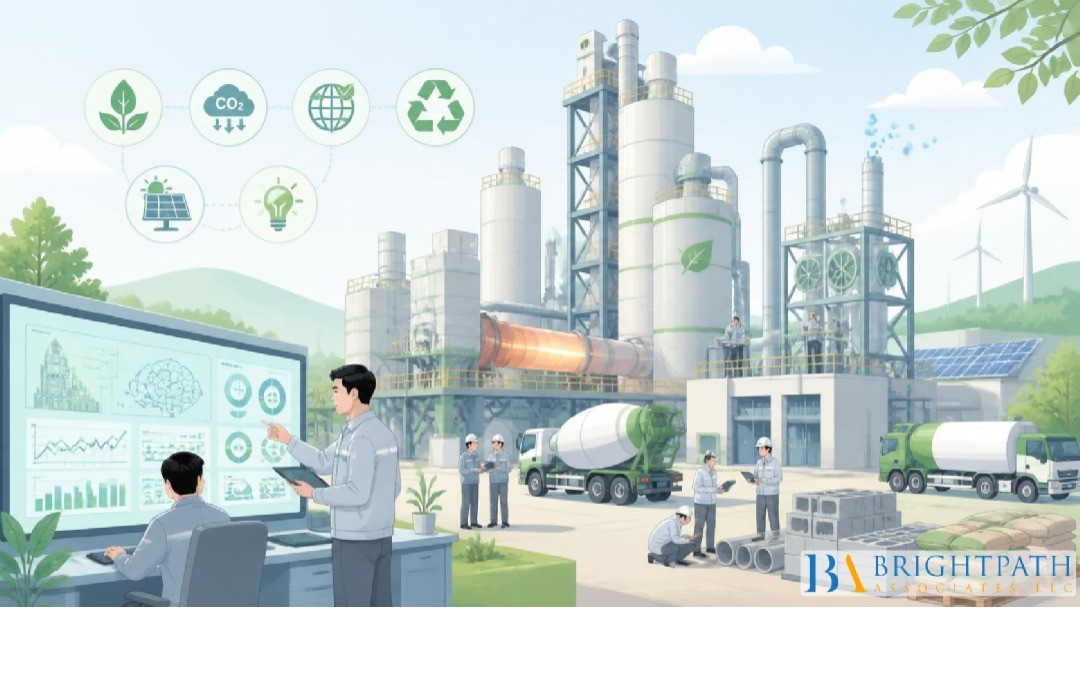
The #CementIndustry, a cornerstone of the global construction sector, faces a dual challenge: maintaining profitability while reducing its environmental footprint. With the pressing need for sustainable development, cement manufacturers are increasingly exploring innovative solutions to balance economic and environmental imperatives. This exploration delves into the industry’s transformation, examining trends, technologies, and strategies that underscore the shift towards sustainability.
Today’s construction sector is marked by a growing demand for sustainable building materials, driven by environmental concerns and regulatory pressures. The concrete industry, a major contributor to carbon emissions, is not immune to these trends. Companies are investing in advanced concrete technology to enhance production efficiency and reduce emissions. This shift is not merely a response to regulatory requirements but also a strategic move to secure a competitive advantage in a market increasingly focused on sustainability.
Cement Industry Sustainability
A pivotal aspect of achieving sustainability in the cement industry involves reducing its carbon footprint. Cement production is responsible for approximately 8% of global CO2 emissions, prompting a need for innovative solutions. Manufacturers are adopting alternative fuels and raw materials to minimize their environmental impact. Moreover, the development of low-carbon cements, such as those incorporating supplementary cementitious materials like fly ash and slag, is gaining traction. These initiatives not only contribute to sustainability but also offer cost advantages, reinforcing the industry’s profitability.
The adoption of advanced #ConcreteTechnologies is a key driver in the industry’s sustainability efforts. Innovations such as high-performance concrete (HPC) and ultra-high-performance concrete (UHPC) provide enhanced durability and strength, reducing the need for frequent repairs and replacements. This longevity translates into fewer resources consumed over the lifecycle of a structure, aligning with sustainable construction principles. Furthermore, these technologies facilitate the incorporation of recycled materials, further reducing the environmental impact of concrete production.
Ceramic Manufacturing Technology
The ceramic industry, closely linked to cement and construction materials, is experiencing significant growth driven by technological advancements. Ceramic manufacturing technology has evolved to include more energy-efficient processes and the utilization of recycled materials, reducing the industry’s carbon footprint. This growth is indicative of a broader trend towards sustainability within the construction materials sector. Companies are increasingly focused on developing products that meet both environmental standards and consumer demands for quality and durability.
The #GlassIndustry, another integral component of the construction materials market, is innovating to enhance sustainability. Glass market analysis reveals a trend towards the production of energy-efficient glass products, such as low-emissivity and solar control glass. These products play a crucial role in reducing the energy consumption of buildings, contributing to the overall sustainability of construction projects. The industry’s commitment to reducing waste and improving recycling processes further reinforces its role in sustainable building practices.
Construction Materials Recruitment
As sustainability becomes a central focus in construction materials, the demand for skilled professionals in this field is on the rise. Construction materials recruitment is increasingly centered around individuals with expertise in sustainable building practices and innovative technologies. The industry’s evolution necessitates a workforce adept at navigating the complexities of modern construction materials, from advanced concrete technology to ceramic and glass innovations. This trend underscores the importance of education and training in fostering a sustainable future for the industry.
Innovation within the glass industry is pivotal to meeting the demands of modern construction. Companies are investing in research and development to create glass products that offer superior thermal insulation, noise reduction, and safety features. These innovations not only enhance the functionality of buildings but also contribute to their energy efficiency and environmental performance. The integration of smart #GlassTechnologies, which adjust transparency and insulation properties in response to environmental conditions, exemplifies the industry’s commitment to sustainability.
Ceramic Industry Growth
The growth of the ceramic industry is closely tied to its ability to adapt to sustainability challenges. Advances in ceramic manufacturing technology have led to the development of products that are not only environmentally friendly but also aesthetically appealing and functionally robust. The industry’s focus on reducing energy consumption and waste has resulted in significant improvements in production efficiency. This growth is further supported by the increasing demand for sustainable building materials, positioning the ceramic industry as a key player in the transition towards greener construction practices.
Enhancing concrete production efficiency is a critical component of the industry’s sustainability strategy. This involves optimizing production processes to reduce energy consumption and waste, while maximizing the use of renewable resources. Techniques such as the use of admixtures and innovative curing methods are being employed to improve the performance and sustainability of concrete. These efforts are complemented by advances in digital technologies, which enable precise monitoring and control of production processes, further enhancing efficiency and reducing environmental impact.
Executive Search Recruitment
The shift towards sustainability in the cement and construction materials industries is transforming the landscape of #ExecutiveSearchRecruitment. Companies are seeking leaders who possess a deep understanding of sustainable practices and the ability to drive innovation and change. This demand reflects the industry’s recognition of the strategic importance of sustainability in achieving long-term profitability and competitiveness. As a result, executive roles are increasingly focused on developing and implementing strategies that align with environmental responsibility and market demands.
Conclusion
The journey towards sustainability in the cement industry is a complex yet essential undertaking. By embracing innovative technologies and sustainable practices, the industry can reconcile profitability with environmental responsibility. The integration of advanced concrete technology, ceramic manufacturing advances, and glass industry innovations are paving the way for a more sustainable future. As the construction materials sector continues to evolve, the emphasis on recruitment and leadership in sustainability will be crucial in driving the industry’s transformation. Through collaborative efforts and a steadfast commitment to innovation, the cement industry can play a pivotal role in shaping a sustainable global construction landscape.
Find your next leadership role in Glass, Ceramic, Concrete Industry today!
Stay informed with the latest insights on Glass, Ceramic, Concrete Industry!