
Introduction
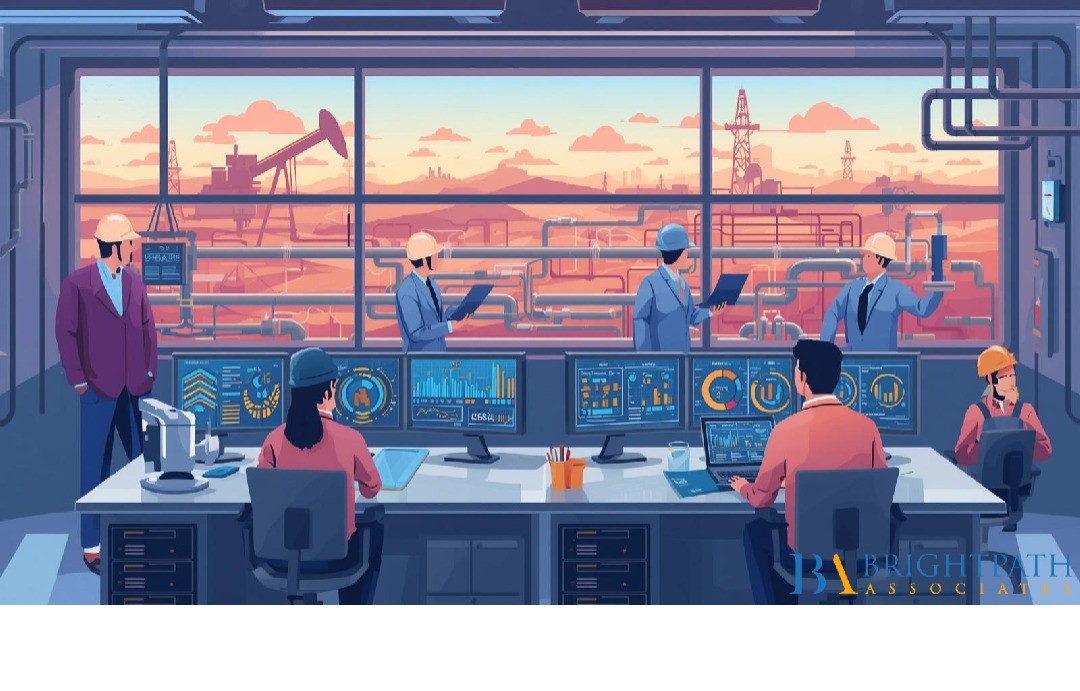
In the complex and dynamic world of oil and gas, effective #DataManagement stands as a pivotal factor in streamlining operations and ensuring sustainable growth. As technological advancements reshape the landscape of the energy sector, particularly in refinery operations management, companies are increasingly turning to innovative software solutions to manage their immense data flows. This complex interplay of technology and data is not just enhancing operational efficiency but transforming how oil and gas businesses plan, execute, and innovate. With a clearer understanding of their data, organizations can identify patterns and make better-informed decisions that ripple through all aspects of their operations and drive profitability.
Understanding Oil and Gas Data Management Software
Data management software in the petroleum sector is specifically designed to cater to the unique needs of the industry, including the vast data generated from oil drilling technology and refinery processes. These specialized software systems facilitate the collection, analysis, and management of critical information, helping oilfield services companies maintain a competitive edge in a rapidly evolving market. Among the key features are real-time data integration, advanced analytics, and predictive maintenance capabilities, all of which are crucial for harnessing the full potential of operational data.
These features play a significant role in streamlining processes, reducing the risk of errors, and enhancing the accuracy of decision-making in petroleum engineering services. For instance, real-time data integration allows for immediate insights that enable proactive adjustments, minimizing costly downtime. By leveraging these capabilities, companies can optimize their workflows, enhance safety protocols, and improve overall operational efficiency. The implication is profound; organizations are not only able to respond to immediate challenges but also anticipate future trends, thereby positioning themselves as leaders in the industry.
Current Trends in the Energy Industry
The energy industry is witnessing profound shifts driven by technological innovation and changing global dynamics. One of the most notable energy industry trends is the increasing integration of smart technologies in traditional operational processes. For example, advancements in oil drilling technology, such as automation and the Internet of Things (IoT), are significantly influencing petroleum engineering services, leading to safer, more efficient, and environmentally friendly drilling practices. These technologies aid in reducing risks associated with exploration and extraction, thereby improving the overall safety record of the industry.
Furthermore, #SustainableEnergySolutions are becoming a priority, as companies are pressured to reduce their carbon footprint and invest in cleaner energy alternatives. This shift is driven by both regulatory demands and changing consumer expectations, compelling oilfield services companies to adapt quickly to new market realities where the emphasis on environmental sustainability cannot be overstated. As such, organizations must not only focus on profitability but also consider their social responsibility and environmental impact to maintain public trust and fulfill future energy demands sustainably.
Benefits of Data Management Software
Implementing data management software in oil and gas operations offers numerous benefits, particularly in refining operations management. These systems enable seamless data flow across various segments of the industry, from exploration to production, thereby significantly improving operational efficiency. By breaking down silos of information, data management software allows various departments to collaborate effectively, thereby fostering a culture of transparency and agility within the organization.
The impact on decision-making processes is profound. Access to up-to-date, accurate data allows executives and managers to make informed strategic decisions that enhance productivity and profitability. Case studies from leading oilfield services companies demonstrate how leveraging advanced data management tools has resulted in reduced operational costs, minimized downtime, and augmented productivity. Additionally, these tools can help companies identify inefficiencies in their processes, leading to further innovations and cost savings that can be reinvested into business development initiatives.
Addressing Leadership Gaps with Data-Backed Strategies
As the energy sector evolves, so do the challenges of leadership and workforce management. #ExecutiveSearchRecruitment plays a vital role in addressing leadership gaps, especially in guiding companies through the complexities of today’s market. Data management software supports this process by providing insights into talent acquisition trends and helping identify where leadership staffing needs are most urgent. This creates a strategic advantage, as organizations can prioritize filling critical roles that support operational goals.
Furthermore, by employing data-backed strategies, companies can align their investments with sustainable energy solutions, ensuring they remain relevant and competitive in a rapidly transforming energy sector. This strategic alignment is crucial for businesses looking to capitalize on the burgeoning interest in cleaner energy technologies and expand their investment portfolio. Organizations that succeed in this area will not only thrive but also play a significant role in shaping the future of the energy landscape.
Case Example: BrightPath Associates
BrightPath Associates exemplifies effective recruitment strategies tailored to the specific needs of the oil and gas jobs sector in the USA. Their executive search recruitment services are crafted to address the leadership shortages and evolving role expectations of the industry. By employing a comprehensive understanding of market demands, BrightPath assesses both technical expertise and cultural fit, ensuring that candidates are not only qualified but also aligned with the values and goals of the employers.
By focusing on strategic talent acquisition, BrightPath fosters the right connections between skilled professionals and energy sector employers. Their approach ensures that clients can navigate the challenges of modern hiring, such as shifting qualifications and the growing importance of diversity and inclusion. This focus on inclusivity and holistic talent development is vital in creating a more robust workforce prepared to tackle the industry’s future challenges.
The Future of Petroleum and Data Management
Looking ahead, the evolution of data management in the oil and gas sector promises to be both exciting and transformative. Predictions point to further integration of artificial intelligence and machine learning in refinery operations management, enhancing predictive capabilities and operational efficiency. These technologies will not only improve existing operations but also open new avenues for exploration and resource management that were previously unimaginable.
As the industry continues to navigate shifts towards cleaner #EnergySources, the role of data management will become ever more integral in supporting these transitions. The focus will likely shift towards holistic systems that can seamlessly integrate with emerging technologies, ensuring continuous improvement and sustainability in operations. This forward-thinking approach will be essential for businesses to remain competitive as global energy dynamics evolve and the demand for innovative, clean technologies continues to escalate.
Conclusion
In conclusion, seamless data management is indispensable in navigating the complexities of today’s oil and gas landscape. It not only enhances operational efficiency but also bolsters strategic planning and execution. As energy sector investment continues to rise, the adoption of advanced data solutions and strong leadership recruitment practices is more critical than ever. Companies that embrace these innovations will undoubtedly steer themselves towards a more efficient and sustainable future in the energy industry.
In this blog post, complex software systems and contemporary recruitment practices come together to address long-standing challenges within the oil and gas industry. This intersection is crucial for industry leaders aiming to harness technology and human capital effectively, enabling them to thrive in an increasingly competitive marketplace. The future of the oil and gas sector lies in embracing data management as a core component of an integrated operational strategy.
Find your next leadership role in Oil and Gas Industry today!
Stay informed with the latest insights on Oil and Gas Industry!