
Introduction
As we approach the year 2030, the #LogisticsIndustry stands at the precipice of significant transformation. The landscape has evolved rapidly over the past decade, driven by technological advancements, shifting consumer expectations, and a global emphasis on sustainability. This article aims to explore the vision and strategies for the logistics sector as it navigates toward 2030, focusing on logistics innovation, delivery technology, and the integral role of freight brokerage services.
The Evolution of Logistics Innovation
Logistics innovation is paramount in shaping the future of the industry. As businesses and consumers demand faster, more efficient, and environmentally friendly solutions, logistics companies are compelled to adapt. By 2030, we can expect substantial advancements in automation and artificial intelligence (AI), which will streamline operations and optimize supply chains.
Automation in logistics will not just be limited to warehouses but will extend to freight shipping and parcel delivery. The use of drones and autonomous vehicles for last-mile delivery is expected to become mainstream, reducing delivery times and costs significantly. AI-powered analytics will enable real-time tracking and predictive maintenance, ensuring that logistics providers can anticipate disruptions and mitigate them proactively.
The Role of Freight Brokerage Services
#FreightBrokerageServices will play a crucial role in the logistics ecosystem by 2030. As the industry becomes increasingly complex, brokers will act as intermediaries, connecting shippers with carriers to ensure efficient freight shipping. Their expertise will be vital in navigating the ever-changing landscape of regulations, tariffs, and environmental standards.
With the rise of e-commerce, the demand for freight brokerage services has surged. By leveraging technology, brokers can offer more transparent and flexible services, allowing businesses to make informed decisions about their shipping needs. The integration of digital platforms into freight brokerage services will facilitate seamless communication and collaboration between all parties involved in the supply chain.
Delivery Technology and Parcel Delivery
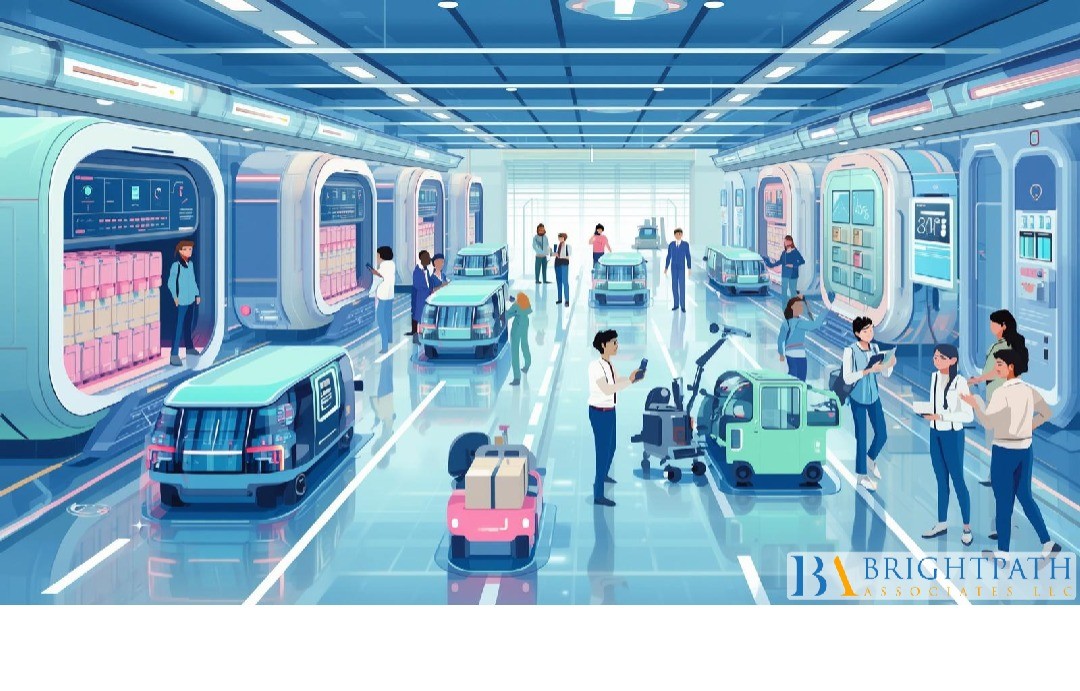
The delivery industry is undergoing a technological revolution, with delivery technology at the forefront. Innovations such as smart lockers, automated sorting systems, and real-time tracking are transforming parcel delivery, making it more efficient and customer-centric. By 2030, the focus will be on enhancing last-mile delivery, which remains a critical challenge for logistics providers.
Smart lockers, strategically placed in urban areas, will offer consumers a convenient and secure way to collect packages at their convenience. This approach not only reduces the carbon footprint associated with home deliveries but also addresses the issue of missed deliveries. Additionally, the use of blockchain technology will enhance transparency and trust in the delivery process, providing an immutable record of transactions and ensuring accountability.
Transportation Industry Trends Shaping the Future
Several key transportation industry trends will shape the logistics landscape by 2030. Sustainability will be a primary driver, with companies striving to reduce their environmental impact through green logistics practices. Electric vehicles (EVs) and alternative fuels will become more prevalent in freight shipping and delivery fleets, contributing to lower emissions and increased energy efficiency.
Moreover, the shift toward a circular economy will influence logistics operations. Companies will focus on reducing waste and optimizing resource use, embracing practices such as reverse logistics and recycling. This trend will not only benefit the environment but also offer cost savings and enhance #BrandReputation.
E-commerce Logistics: Meeting Rising Demands
E-commerce has fundamentally altered the logistics industry, and its growth shows no signs of slowing down. By 2030, e-commerce logistics will need to adapt to the increasing demands of online consumers who expect fast and reliable shipping options. The integration of advanced technologies, such as AI and machine learning, will enable logistics providers to anticipate consumer needs and streamline operations accordingly.
Fulfillment centers will become more automated, with robotics playing a significant role in picking, packing, and sorting orders. The use of data analytics will provide valuable insights into consumer behavior, allowing companies to optimize inventory management and reduce lead times. Additionally, same-day and even one-hour delivery options will become standard, necessitating a robust and agile logistics network.
The Delivery Industry’s Quest for Tech Talent
As the logistics sector becomes more technologically driven, the demand for tech talent will rise. The delivery industry, in particular, will seek individuals with expertise in areas such as AI, data analytics, and robotics to drive innovation and maintain a competitive edge. #ExecutiveSearchRecruitment will be crucial in identifying and attracting top talent capable of navigating the complexities of the modern logistics landscape.
Companies will need to invest in training and development programs to upskill their workforce and ensure they remain at the forefront of technological advancements. By fostering a culture of innovation and continuous learning, the logistics industry can position itself as an attractive career destination for tech-savvy professionals.
Conclusion: A Vision for 2030
The logistics industry is on the cusp of a transformative decade, with logistics innovation, freight brokerage services, and delivery technology set to redefine the sector. By 2030, we can expect a more efficient, sustainable, and customer-centric logistics landscape, driven by technological advancements and a commitment to meeting evolving consumer demands.
The successful navigation of this period will require strategic vision, collaboration, and a willingness to embrace change. As companies invest in technology and cultivate tech talent, they will be well-positioned to thrive in an increasingly competitive environment. The future of logistics is bright, and with the right strategies in place, the industry is poised to achieve remarkable growth and transformation by 2030.
Find your next leadership role in Logistics Industry today!
Stay informed with the latest insights on Logistics Industry!