
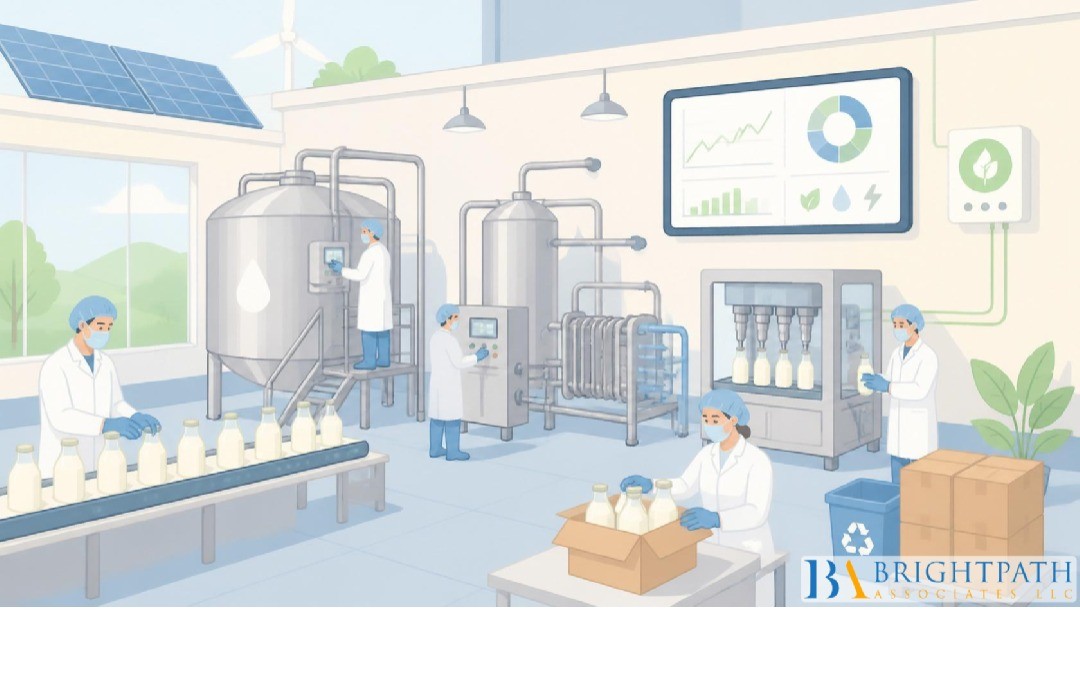
Introduction
In the competitive landscape of the #DairyIndustry, managing energy costs is crucial for maintaining profitability and sustainability. This guide provides insights into strategies that small and medium-sized enterprises (SMEs) can adopt to reduce energy overhead in dairy processing facilities. By implementing these strategies, not only can SMEs enhance their operational efficiency, but they can also contribute to the broader goals of sustainable dairy farming practices.
Understanding Energy Consumption in Dairy Processing
Dairy processing facilities are energy-intensive environments. The production of dairy products like milk, cheese, and yogurt requires significant amounts of electricity and thermal energy. Essential processes such as pasteurization, homogenization, and refrigeration are key contributors to energy consumption. Understanding the specific energy demands of these processes is the first step in identifying opportunities for reduction.
Implementing Energy-Efficient Technologies
Advancements in milk production technologies offer numerous opportunities for reducing energy consumption. High-efficiency pasteurizers, for example, can significantly cut down on energy use by optimizing heat transfer processes. Similarly, adopting variable speed drives in pumps and motors can lead to substantial energy savings by adjusting the energy output to match the actual demand.
Automation plays a pivotal role in optimizing energy use in #DairyFacilities. Dairy automation technologies can streamline operations, reduce waste, and enhance precision in process control. Automated systems can monitor and adjust energy use in real-time, ensuring no excess energy is wasted. Implementing sensors and smart meters can provide insights into energy consumption patterns, enabling facilities to make data-driven decisions to enhance efficiency.
Energy Management Systems
An effective energy management system (EMS) is essential for any dairy facility aiming to reduce energy overhead. An EMS can track energy use, identify inefficiencies, and suggest corrective actions. By continuously monitoring energy performance, facilities can ensure that they remain on track to meet their energy reduction targets. Integrating EMS with existing dairy industry digital transformation initiatives can further enhance its effectiveness.
The journey towards reducing energy overhead is closely linked with the adoption of sustainable dairy farming practices. These practices not only focus on energy use within the facility but also consider the entire supply chain. Implementing renewable energy sources, such as solar panels or biogas systems, can drastically reduce dependence on non-renewable energy. Additionally, sustainable practices often lead to improved product quality, which can drive growth and profitability in the dairy industry.
Strategic Facility Design
The design and layout of a dairy processing facility can significantly impact #EnergyConsumption. Strategic facility design involves optimizing the flow of materials and processes to minimize energy loss. Proper insulation, energy-efficient lighting, and the use of natural ventilation can also contribute to reduced energy overhead. By investing in design improvements, dairy facilities can achieve long-term energy savings.
Refrigeration is a major energy consumer in dairy processing. Ensuring that refrigeration systems are operating efficiently is crucial for reducing energy costs. Implementing regular maintenance schedules, upgrading to energy-efficient models, and utilizing thermal storage can lead to significant reductions in energy use. Moreover, adopting advanced cooling technologies can help maintain the quality of dairy products while keeping energy consumption in check.
Dairy Supply Chain Management
Effective dairy supply chain management is integral to reducing energy overhead. By optimizing logistics and transportation routes, facilities can minimize energy use associated with the movement of goods. Collaborating with suppliers who emphasize energy efficiency and sustainability can further enhance supply chain performance. Moreover, leveraging dairy e-commerce platforms can streamline distribution processes, reducing the energy footprint of product delivery.
Engaging the workforce in energy-saving initiatives is crucial for achieving long-term success. #TrainingPrograms that focus on energy efficiency and the importance of sustainable practices can empower employees to contribute to energy reduction goals. Encouraging innovation and rewarding energy-efficient practices can foster a culture of continuous improvement within the facility.
Dairy Industry Growth Strategies
Reducing energy overhead is not just about cutting costs; it is also a strategic growth opportunity for the dairy industry. By adopting energy-efficient practices, dairy facilities can enhance their competitiveness and appeal to environmentally conscious consumers. These strategies can also open up new markets and opportunities for collaboration, driving overall industry growth.
Ensuring that the right talent is in place is essential for implementing and sustaining energy-efficient practices. Conducting a targeted dairy industry #ExecutiveSearchRecruitment can help facilities find leaders with the expertise and vision needed to drive energy efficiency initiatives. These executives can lead the charge in integrating food technology advancements and sustainable practices into the facility’s operations.
Conclusion
Reducing energy overhead in dairy processing facilities is a multifaceted challenge that requires a strategic approach. By embracing milk production technologies, dairy automation technologies, and sustainable dairy farming practices, SMEs can significantly cut energy costs. Additionally, focusing on facility design, refrigeration efficiency, and workforce engagement can further enhance energy savings. Ultimately, these efforts not only contribute to the bottom line but also support broader sustainability goals within the dairy industry. By integrating these strategies into their operations, dairy facilities can position themselves for growth and success in an increasingly competitive market.
Find your next leadership role in Dairy industry today!