
Introduction
Small-scale natural gas processing has emerged as a critical growth and resilience strategy for independent oil and #GasOperators navigating an increasingly complex energy landscape. Between 2023 and 2025, energy sector investment patterns have shifted toward modular, flexible, and cost-efficient processing solutions that allow operators to monetize stranded gas, reduce flaring, and improve overall asset economics. For small to mid-sized oil and gas companies, these solutions offer a pathway to profitability while aligning with sustainability expectations and evolving regulatory pressures.
However, technology and infrastructure alone do not determine success. Leadership capability has become a defining factor in how effectively organizations adopt small-scale processing models, manage operational risk, and scale responsibly. As executive talent shortages intensify and role expectations evolve, strategic executive hiring has become inseparable from operational strategy in the oil and gas sector.
The Strategic Importance of Small-Scale Natural Gas Processing
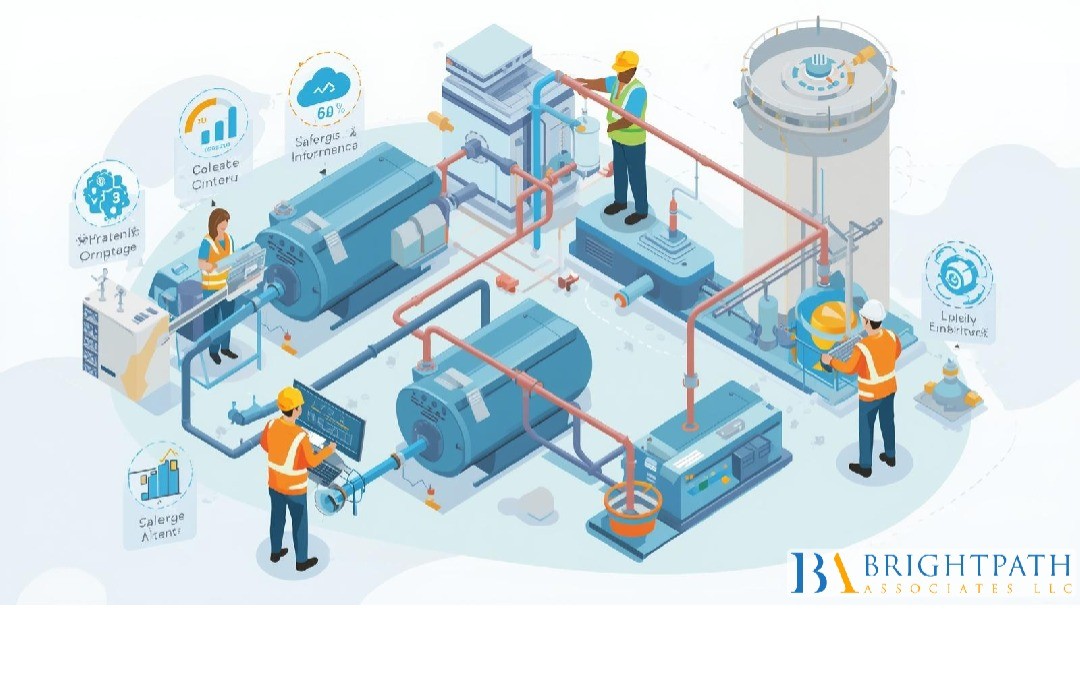
Small-scale natural gas processing solutions enable independent operators to process gas closer to the wellhead, reducing transportation costs and increasing flexibility in production planning. Advances in oil drilling technology and modular processing systems have made it economically viable for smaller operators to deploy compression, dehydration, and separation units tailored to specific field conditions.
Industry data shows that operators adopting decentralized processing models often achieve faster project timelines and improved capital efficiency compared to traditional centralized facilities. These advantages are particularly relevant for independents operating in mature basins or remote locations where infrastructure constraints limit growth potential. In this context, small-scale processing is not merely an operational choice but a strategic lever for asset optimization.
Market and Technology Trends Shaping Adoption
Energy industry trends from 2023 to 2025 indicate growing demand for flexible processing solutions that can adapt to fluctuating production volumes and commodity prices. Modular gas plants, skid-mounted units, and mobile processing systems are gaining traction as operators seek to reduce upfront capital expenditure while maintaining operational control.
#TechnologicalInnovation has also improved the reliability and efficiency of small-scale systems. Enhanced monitoring, automation, and data analytics allow operators to manage processing operations with greater precision, supporting safer and more consistent performance. These developments have narrowed the operational gap between small-scale and large-scale processing, making decentralized models increasingly competitive.
Why Leadership Matters in Small-Scale Processing Strategy
While technology enables small-scale processing, leadership determines whether it delivers sustainable value. Executives must evaluate complex trade-offs involving capital allocation, operational risk, regulatory compliance, and long-term asset strategy. This requires leaders who understand petroleum engineering services, refinery operations management, and broader energy market dynamics.
Yet leadership talent shortages present a growing challenge. Many experienced executives with deep technical backgrounds are approaching retirement, while the next generation of leaders must balance traditional oil and gas expertise with sustainability awareness and financial discipline. For independent operators, this talent gap can delay strategic decisions and increase execution risk.
Shifting Executive Role Expectations (2023–2025)
Executive roles in the oil and gas sector are evolving rapidly. Between 2023 and 2025, leaders are expected to move beyond production-focused management toward integrated decision-making that accounts for #EnvironmentalPerformance, investor expectations, and long-term energy transition considerations. A modern executive overseeing small-scale natural gas processing must understand operational efficiency, regulatory exposure, and the role of gas as a bridge fuel within sustainable energy solutions.
This shift has elevated the importance of adaptable leadership. Executives must guide organizations through technological adoption while maintaining financial resilience amid market volatility. Companies that fail to align leadership capability with these expanded expectations risk underutilizing their processing investments or falling behind more agile competitors.
Recruitment Challenges in the Oil and Gas Talent Market
The oil and gas talent market in the United States has become increasingly competitive. Demand for professionals with experience across oilfield services companies, petroleum engineering, and operations management continues to exceed supply. Traditional recruitment approaches often struggle to identify leaders with the hybrid skill sets required for modern processing strategies.
For small to mid-sized operators, the consequences of misaligned executive hiring are significant. Poor leadership decisions can lead to cost overruns, safety incidents, or regulatory setbacks—outcomes that directly impact profitability and investor confidence. As a result, executive hiring has become a strategic priority rather than an administrative function.
The Strategic Evolution of Executive Hiring Practices
Recognizing these challenges, oil and gas companies are rethinking how they approach executive recruitment. From 2023 onward, there has been a marked shift toward strategic, data-driven hiring practices that emphasize long-term alignment over short-term availability. Organizations are increasingly mapping leadership needs against future operational and market scenarios, particularly as small-scale processing becomes a core component of asset strategy.
#ExecutiveSearchRecruitment has emerged as a critical response to this shift. Unlike traditional hiring models, executive search focuses on identifying proven leaders who may not be actively seeking new roles but possess the experience and strategic mindset required to lead complex operations.
Executive Search Recruitment as a Strategic Enabler
Executive search recruitment plays a vital role in supporting independent operators pursuing small-scale natural gas processing solutions. Firms such as Brightpath Associates specialize in identifying executives with deep industry knowledge, operational credibility, and the ability to navigate evolving energy sector dynamics.
By leveraging industry networks and rigorous assessment methodologies, executive search recruitment reduces hiring risk while accelerating leadership impact. This approach ensures that executives are not only technically qualified but also aligned with the organization’s growth strategy, culture, and long-term vision.
Balancing Profitability and Sustainability
Small-scale natural gas processing sits at the intersection of profitability and sustainability. By reducing flaring and improving gas utilization, these solutions contribute to lower emissions while enhancing #RevenueStreams. However, realizing these benefits requires leadership capable of integrating sustainability considerations into operational decision-making.
Executives with experience in sustainable energy solutions are better positioned to align processing strategies with regulatory expectations and investor priorities. This alignment enhances access to capital and strengthens stakeholder relationships, reinforcing the strategic value of capable leadership.
Preparing Independent Operators for the Future
As the oil and gas industry continues to evolve, independent operators face increasing pressure to adapt quickly while managing risk. Small-scale natural gas processing offers a viable pathway to resilience, but its success depends on more than technology deployment. Leadership quality will determine how effectively these solutions are implemented, optimized, and scaled.
Organizations that proactively invest in executive capability are better equipped to navigate market cycles, regulatory change, and technological disruption. Executive search recruitment provides the structure and insight needed to secure leaders who can guide organizations through this complexity.
Conclusion
Small-scale natural gas processing solutions represent a powerful opportunity for independent oil and gas operators seeking flexibility, efficiency, and sustainable profitability. Between 2023 and 2025, these solutions are increasingly central to asset strategy and #EnergySectorInvestment decisions. Yet their success depends on leadership capable of translating technical potential into operational and financial performance.
By embracing strategic executive search recruitment and partnering with firms such as Brightpath Associates, oil and gas companies can address leadership talent shortages and align executive capability with evolving industry demands. In a sector defined by complexity and change, the right leadership is not just an advantage—it is essential to long-term success.
Find your next leadership role in Oil and Gas Industry today!
Stay informed with the latest insights on Oil and Gas Industry!