
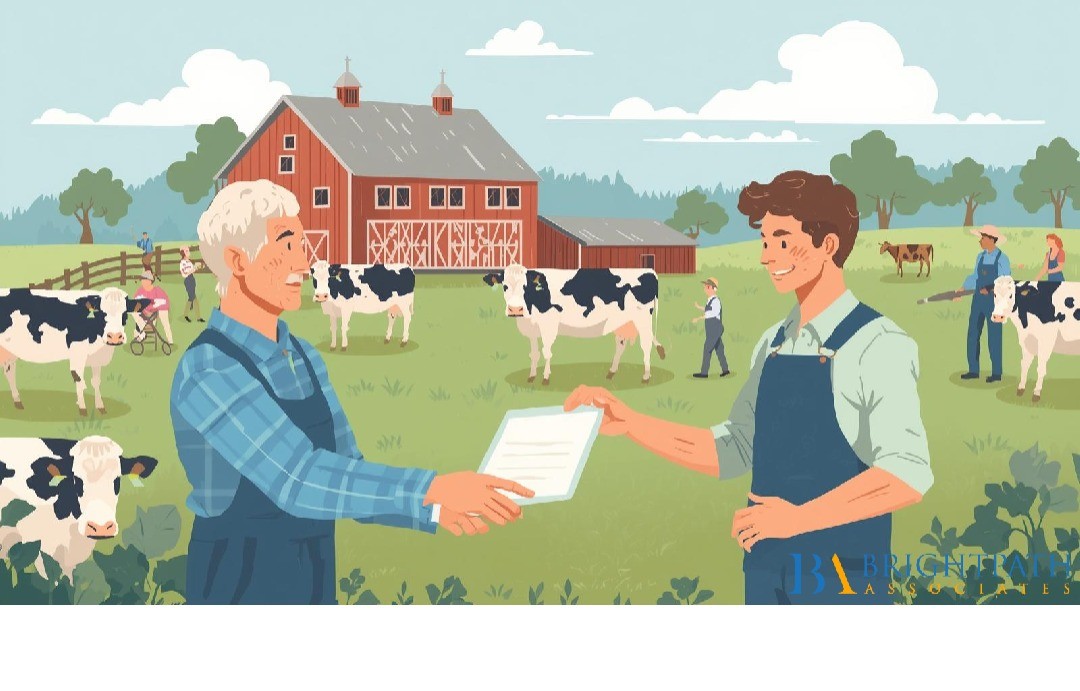
Introduction to Succession Planning in the Dairy Industry
Succession planning has become one of the most pressing #StrategicPriorities for small to mid-sized dairy companies as they navigate an era defined by rapid transformation, increasing competition, and shifting consumer expectations. While the global market for dairy products continues to expand, driven by rising demand for cheese, yogurt, milk alternatives, and specialized nutritional products, the internal capability to sustain long-term operations is threatened by leadership shortages and evolving skill requirements. Across the dairy production landscape, businesses are discovering that their future stability is tied closely to their ability to identify, develop, and secure leaders who can manage modern milk production, oversee dairy automation technologies, and guide digital transformation efforts across the dairy supply chain.
The Growing Importance of Leadership Continuity in Dairy Operations
Leadership continuity has become more difficult to maintain as veteran dairy executives approach retirement. Many of these individuals have decades of operational and regulatory expertise, deep familiarity with herd management and milk production systems, and an instinctive understanding of market behavior. Their departure reveals a widening skills gap, especially as younger professionals often possess technological proficiency but lack hands-on operational experience. The dairy industry therefore faces a unique challenge: the need to balance traditional farm management knowledge with emerging competencies in data analytics, sustainability practices, food technology, and dairy industry digital transformation. This evolution in leadership expectations highlights why effective succession planning is now indispensable for long-term success.
Market Shifts and Changing Role Expectations from 2023 to 2025
Between 2023 and 2025, the #DairyIndustry experienced significant shifts that altered leadership expectations at every level of management. The rise of dairy e-commerce, stricter global safety regulations, and increasing demand for sustainable dairy farming practices have created new pressures on executive teams. Leaders are expected to oversee decarbonization initiatives, optimize energy usage, deploy climate-smart feed systems, and implement advanced waste management processes that align with sustainability targets. At the same time, they must embrace dairy automation technologies—such as automatic milking systems, robotic feeders, and integrated production analytics—that require both technical understanding and strategic decision-making. This expanded role has made it increasingly challenging to identify qualified leaders internally, intensifying the need for external executive search recruitment to fill critical gaps.
The Strategic Value of Technology-Driven Leadership in Dairy Production
Dairy companies are operating in a period where digital transformation is reshaping the entire supply chain. Automated cold-chain management, AI-powered herd monitoring, and blockchain-enabled traceability are no longer optional innovations but strategic necessities. Leaders must possess the capability to implement and manage these technologies while maintaining the efficiencies needed in milk production. Data-driven decision-making is now central to operational excellence, with analytics being used to forecast demand, optimize feed distribution, and maintain herd health. The integration of technology into dairy management requires executives with a forward-thinking mindset, the ability to monitor new tech developments, and the strategic intelligence to use digital systems to enhance production outcomes. This requirement reinforces why leadership talent shortages have become one of the greatest threats to the industry.
Sustainability as a Core Leadership Competency
With #ConsumersPlacing increasing emphasis on environmental responsibility, sustainability has become a defining component of leadership in the dairy industry. More than 70% of consumers express interest in purchasing dairy products produced through climate-friendly processes, and major retailers are implementing stricter sustainability criteria for vendors. Leaders must therefore understand sustainable dairy farming practices, from renewable energy integration and methane reduction strategies to regenerative grazing and sustainable water use. Succession planning must take into account not only operational knowledge but also environmental stewardship capabilities, as sustainability performance has become directly linked to market competitiveness, brand reputation, and long-term profitability.
Challenges in Identifying and Developing Future Leaders
Dairy companies face significant challenges in identifying and developing the next generation of leaders. Many mid-level managers are technically strong but lack the broader strategic capabilities needed to guide dairy supply chain management, technology adoption, or market expansion. Meanwhile, family-owned dairy farms often struggle with generational transitions as younger family members pursue careers outside agriculture. The absence of a structured leadership pipeline increases operational risks, including disruptions in production continuity, compliance failures, and reduced business agility. These challenges underscore the necessity of building comprehensive succession frameworks that include leadership development programs, mentoring systems, and targeted external hiring.
The Increasing Role of Executive Search Recruitment
#ExecutiveSearchRecruitment has emerged as a crucial solution for dairy companies seeking to secure future-proof leadership. Firms such as Brightpath Associates offer specialized industry knowledge, extensive networks, and an understanding of evolving skill requirements. They play a key role in identifying leaders who possess the rare combination of operational expertise, digital literacy, sustainability insight, and strategic vision. These recruitment partners help companies bridge leadership gaps by locating candidates capable of managing dairy automation technologies, navigating regulatory complexities, and driving dairy industry growth strategies. With talent shortages intensifying, the ability to source high-caliber executives efficiently becomes a competitive advantage.
Succession Planning as a Strategic Imperative for Growth
Effective succession planning extends beyond simply replacing retiring leaders. It acts as a stabilizing mechanism that ensures continuity during market fluctuations, technological disruptions, and regulatory changes. Companies with strong succession strategies are better positioned to innovate, expand into international markets, and diversify their product offerings. They can respond more quickly to shifts in consumer behavior, deploy new technologies with confidence, and manage the complexities of global dairy supply chain management. Succession planning also strengthens investor trust, boosts organizational morale, and ensures knowledge retention across all levels of management.
The Future of Dairy Leadership and Long-Term Business Resilience
The future of the dairy industry will be shaped by leaders who can successfully #IntegrateAutomation, sustainability, and digital transformation into traditional dairy operations. As the industry continues to evolve, leadership roles will require even greater versatility, advanced problem-solving capabilities, and a strong understanding of industry trends. Organizations that invest in succession planning today will benefit from stronger resilience, enhanced competitiveness, and the ability to seize emerging opportunities in dairy e-commerce, advanced food technology, and global market expansion. Executive search recruitment will remain essential in sourcing leaders capable of guiding dairy businesses into a rapidly changing future.
Conclusion
Securing the legacy of dairy farms and companies requires a clear understanding of the leadership challenges facing the industry. With increasing pressure from technology adoption, sustainability requirements, evolving market expectations, and a shrinking pool of experienced executives, succession planning has become a strategic necessity rather than an optional consideration. By aligning leadership development with the realities of modern dairy production and leveraging executive search recruitment as a core component of their strategy, dairy companies can ensure long-term operational stability, support innovation, and position themselves for sustainable growth in an increasingly competitive global landscape.
Find your next leadership role in Dairy Industry today!