
Introduction
In today’s rapidly advancing industrial landscape, the importance of efficient monitoring and control cannot be overstated. Supervisory Control and #DataAcquisition (SCADA) systems have emerged as indispensable tools in this domain, revolutionizing the way industries operate. As the backbone of industrial automation, SCADA systems play a crucial role in optimizing processes, ensuring safety, and enhancing productivity. This article delves into the various aspects of SCADA systems, exploring their significance in industrial monitoring and control.
Understanding SCADA Systems
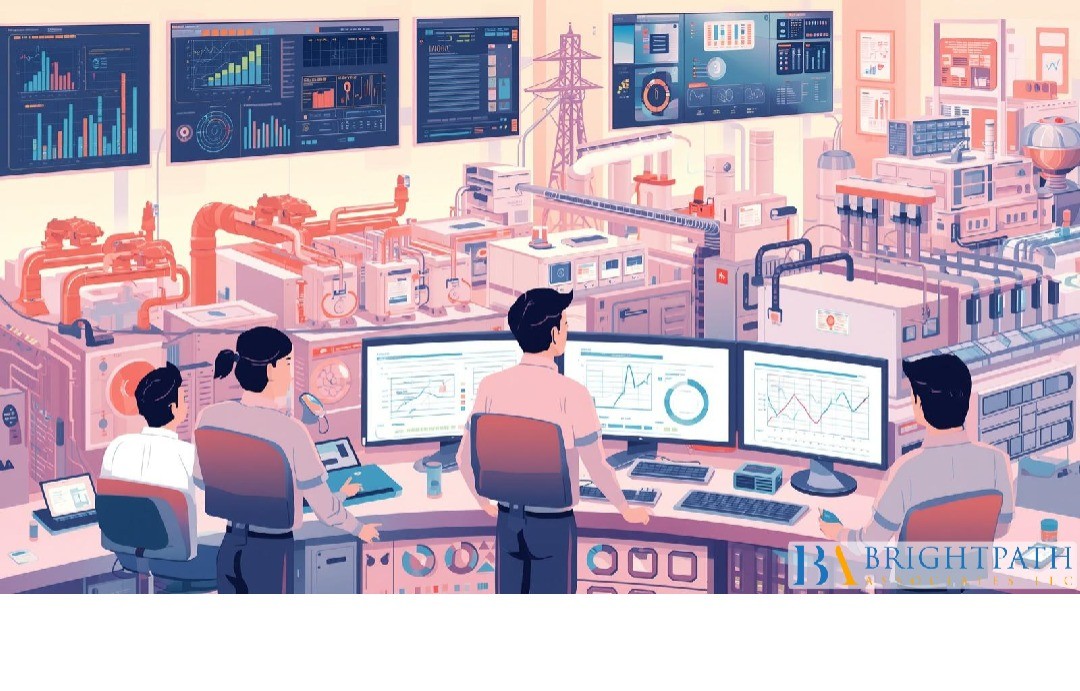
SCADA systems are sophisticated networks that combine hardware and software elements to gather, process, and visualize real-time data from industrial equipment. They enable operators to monitor and control processes remotely, making them invaluable in a variety of settings, from manufacturing plants to utility services.
At the heart of SCADA systems are Remote Terminal Units (RTUs) and Programmable Logic Controllers (PLCs). These devices collect data from sensors and machines, transmitting it to centralized systems where it is analyzed and displayed. Operators can then make informed decisions based on this data, optimizing performance and addressing any issues promptly.
The Role of SCADA in Industrial Automation
In the realm of #IndustrialAutomation, SCADA systems are pivotal. They facilitate seamless integration between various components of an industrial setup, such as PLCs, machine vision systems, and robotics integration. This integration is crucial for maintaining the efficiency and reliability of operations. SCADA systems allow for real-time monitoring and control, ensuring that processes run smoothly and efficiently.
Enhancing Efficiency and Productivity
The primary advantage of SCADA systems lies in their ability to enhance efficiency. By providing comprehensive insights into process performance, they allow for timely interventions and adjustments. This leads to reduced downtime and increased productivity. Moreover, SCADA systems can be tailored to meet specific industry needs, offering customized automation solutions that drive operational excellence.
Safety and Risk Management
Safety is a paramount concern in industrial environments. #SCADASystems contribute significantly to risk management by offering real-time alerts and notifications. In the event of equipment malfunctions or hazardous conditions, operators can take immediate action to prevent accidents and mitigate risks. This proactive approach not only safeguards personnel but also protects valuable assets.
SCADA and PLC Programming Service
PLC programming service is a critical component of SCADA systems. PLCs are responsible for executing control actions based on the data collected by SCADA systems. Effective PLC programming ensures that the system responds accurately to changes in process conditions. This requires expertise and precision, which is why specialized PLC programming services are often sought after in the industry.
Integration with Robotics and Machine Vision
The integration of SCADA systems with robotics and machine vision technologies takes automation to the next level. Robotics integration allows for the automation of complex tasks that require precision and consistency. When combined with machine vision, SCADA systems can perform real-time quality inspections, ensuring that products meet the highest standards.
#MachineVisionSystems, equipped with cameras and sensors, provide detailed visual data that SCADA systems analyze to detect defects or anomalies. This integration not only improves product quality but also reduces waste, contributing to sustainable manufacturing practices.
The Future of SCADA in Manufacturing Automation
As industries continue to embrace digital transformation, the role of SCADA systems in manufacturing automation is set to expand. These systems are evolving to incorporate advanced technologies such as artificial intelligence and the Internet of Things (IoT), offering even greater capabilities for data analysis and process optimization.
Embracing Advanced Technologies
The integration of AI in SCADA systems enables predictive analytics, allowing for the anticipation of #EquipmentFailures and maintenance needs before they occur. This shift from reactive to predictive maintenance significantly reduces costs and enhances system reliability. Similarly, IoT integration allows for seamless connectivity between devices, providing a holistic view of industrial operations.
The Growing Demand for Automation Jobs
The increasing reliance on SCADA systems and other automation solutions is driving demand for skilled professionals in the field of industrial automation. From PLC programming service experts to robotics engineers, there is a growing need for individuals who can design, implement, and maintain these complex systems. Executive search industrial automation firms play a crucial role in connecting industries with top talent, ensuring that businesses have access to the expertise they need to thrive.
Executive Search Recruitment in Industrial Automation
The rise of SCADA systems and automation solutions has also impacted the landscape of #ExecutiveSearchRecruitment. As businesses seek to harness the full potential of these technologies, they require leaders who understand the intricacies of industrial automation. Executive search firms specializing in this niche help organizations identify and recruit visionary leaders who can drive innovation and growth.
Building a Skilled Workforce
To meet the demands of modern industries, workforce development initiatives must focus on equipping individuals with the necessary skills for automation jobs. Training programs and certifications in SCADA systems, robotics integration, and machine vision are essential for preparing the next generation of automation professionals. This investment in human capital is crucial for sustaining the momentum of industrial advancement.
Conclusion
In conclusion, SCADA systems are a cornerstone of modern industrial automation. Their ability to provide real-time monitoring, control, and data analysis is indispensable for optimizing processes and ensuring safety. As industries continue to evolve, the integration of SCADA systems with advanced technologies will drive further innovations in manufacturing automation. The demand for #SkilledProfessionals in this field underscores the importance of executive search recruitment and workforce development. Embracing SCADA systems not only enhances operational efficiency but also positions industries for a future where automation plays a central role in achieving business success.
Find your next leadership role in Industrial Automation Industry today!
Stay informed with the latest insights on Industrial Automation Industry!