
Introduction
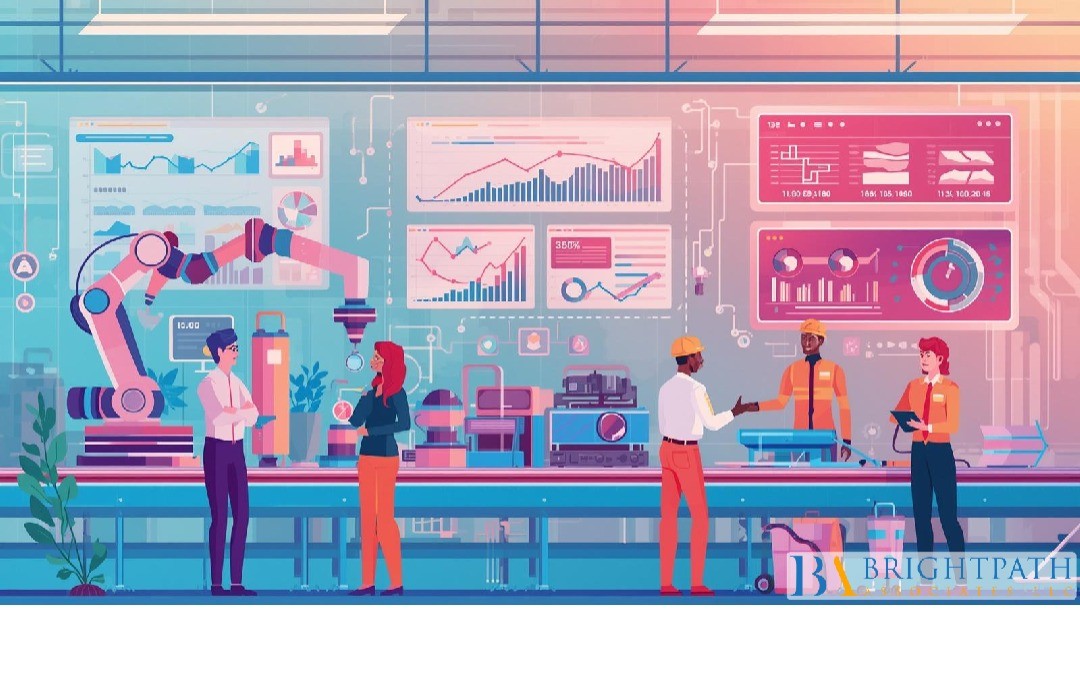
The #IndustrialSector has been a cornerstone of economic development and technological advancement. Over the years, technology has played a pivotal role in transforming industries, enhancing production, and fostering innovation. This transformation is evident in various aspects of industrial operations, from machinery to workforce management. In this article, we will explore how technology has driven industrial growth, focusing on key areas such as industrial machinery, US machinery manufacturers, precision machining, industrial automation, machinery maintenance, and more.
The Evolution of Industrial Machinery
Industrial machinery has undergone significant evolution, largely driven by technological advancements. In the past, machinery was often manually operated and limited by the capabilities of human operators. Today, technological innovation has introduced sophisticated machines that are not only more efficient but also more versatile. This evolution has enabled industries to increase production rates and improve product quality.
US machinery manufacturers have been at the forefront of this evolution, constantly integrating cutting-edge technologies into their products. These manufacturers have adopted advanced materials, improved design techniques, and incorporated digital technology to create machines that meet the demands of modern industry. By reducing downtime and increasing productivity, these innovations have played a crucial role in industrial growth.
The Precision Machining Revolution
Precision machining is another area where technology has driven significant progress. The ability to manufacture components with extremely tight tolerances has allowed industries to produce high-quality products that meet stringent specifications. This is particularly important in sectors such as aerospace, automotive, and healthcare, where precision is paramount.
The advent of #CNCMachining (Computer Numerical Control) has revolutionized precision machining by automating the control of machine tools. CNC machines can perform complex tasks with high precision and repeatability, reducing the likelihood of human error. This has not only improved the quality of products but also increased manufacturing efficiency by speeding up production processes.
Industrial Automation and Efficiency
Industrial automation has been a game-changer in driving industrial growth. By automating repetitive and labor-intensive tasks, industries have been able to significantly boost efficiency and reduce costs. Automation technologies, such as robotics and artificial intelligence, have allowed industries to operate with fewer errors and less waste, leading to higher profit margins.
In addition to improving efficiency, industrial automation has created new opportunities for innovation. With machines handling routine tasks, human workers can focus on more creative and strategic roles. This shift has led to the creation of new types of manufacturing jobs, requiring skills in programming, systems management, and data analysis.
The Importance of Machinery Maintenance
As industrial machinery becomes more complex, the need for effective #MachineryMaintenance has grown. Proper maintenance is crucial to ensure that machines operate at optimal efficiency and avoid unexpected breakdowns that can halt production. Technology has enabled more proactive and predictive maintenance strategies, utilizing sensors and data analytics to monitor machine health in real-time.
Predictive maintenance allows industries to address potential issues before they lead to costly downtime. This approach not only extends the lifespan of machinery but also supports the sustainability of industrial operations by reducing waste and energy consumption.
The Market for Used Machinery
The market for used machinery has expanded as industries seek cost-effective solutions to meet their production needs. Buying used machinery can be a strategic move for companies looking to reduce capital expenditure while still acquiring high-quality equipment. Technology has facilitated this market by providing platforms for businesses to buy and sell used machinery efficiently.
In addition, advancements in machine refurbishment and retrofitting have increased the viability of used machinery, allowing older machines to be updated with modern features and functionalities. This has made used machinery an attractive option for companies aiming to balance cost with performance.
Machinery Financing and Investment
#MachineryFinancing is another critical factor in driving industrial growth. Investing in new machinery can be a significant financial burden for companies, particularly small and medium-sized enterprises (SMEs). Technology has enabled more flexible financing options, such as leasing and equipment financing, making it easier for businesses to acquire the machinery they need.
These financing solutions allow companies to maintain cash flow while investing in technology that enhances their production capabilities. By spreading the cost of machinery over time, businesses can scale their operations and remain competitive in their respective markets.
Enhancing Manufacturing Efficiency
Achieving manufacturing efficiency is a primary goal for industries seeking growth and sustainability. Technology plays a vital role in streamlining operations, optimizing resource use, and minimizing waste. Lean manufacturing principles, supported by technological tools, have enabled industries to achieve these goals.
Through the integration of technology, industries can implement smart manufacturing practices that enhance efficiency. This includes the use of real-time data analytics to monitor production processes, identify bottlenecks, and make informed decisions that improve overall performance.
The Role of Executive Search Recruitment
The rise of technology in the industrial sector has also influenced #ExecutiveSearchRecruitment. As industries evolve, there is an increasing demand for leaders who possess a deep understanding of technological advancements and their applications. Executive recruitment firms play a crucial role in identifying and placing these leaders in positions where they can drive technological innovation and industrial growth.
Recruitment strategies have also been enhanced by technology, with data-driven approaches and AI tools enabling more accurate candidate assessments and matching. This ensures that industries have the right leadership to navigate the complexities of technological integration and capitalize on emerging opportunities.
Conclusion
Technology continues to be a driving force in the growth and transformation of the industrial sector. From the evolution of industrial machinery to advancements in precision machining and industrial automation, technology has enabled industries to enhance productivity, reduce costs, and foster innovation. As industries continue to adopt and integrate new technologies, the potential for growth and development is limitless. By embracing these advancements, industries can not only achieve greater efficiency and sustainability but also secure a competitive edge in an ever-evolving global market.
Find your next leadership role in Machinery Industry today!
Stay informed with the latest insights on Machinery Industry!