
Introduction
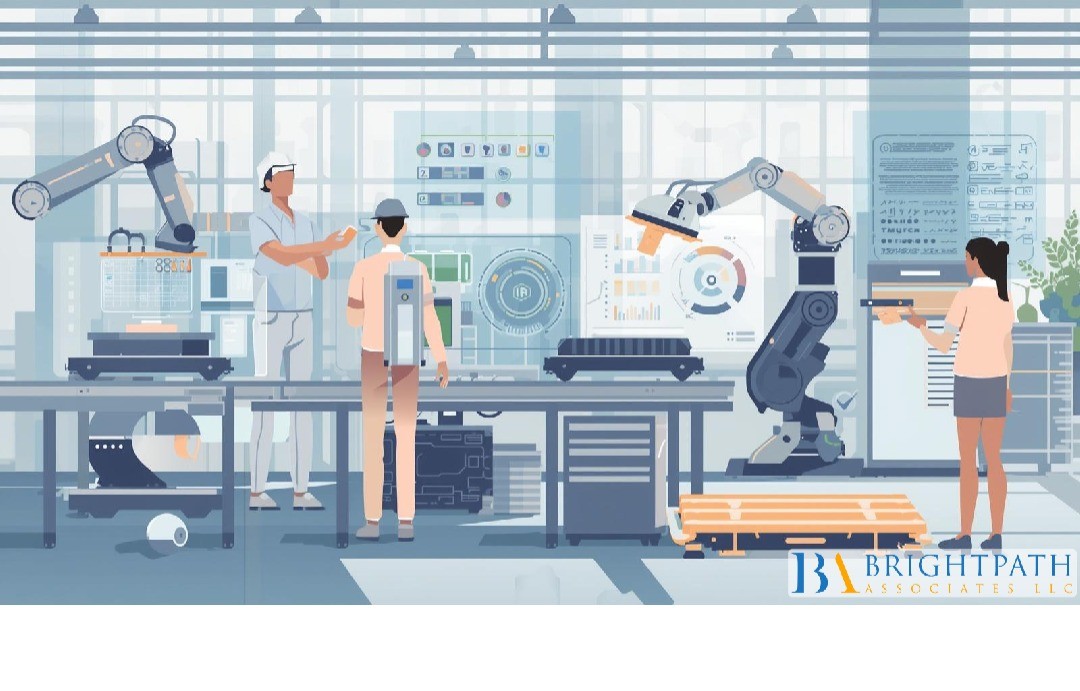
In the rapidly evolving landscape of #IndustrialOperations, the integration of robotics has emerged as a pivotal strategy to enhance productivity and ensure superior quality in manufacturing processes. Robotics integration, coupled with advanced automation solutions, is transforming traditional industries and setting new benchmarks for efficiency and precision. This article explores the multifaceted aspects of robotics integration, focusing on its impact on productivity, quality, and the future of industrial automation.
The Rise of Industrial Automation
Industrial automation has become synonymous with innovation and efficiency in manufacturing. As industries strive for competitive advantage, the adoption of automation solutions has accelerated. Robotics integration plays a crucial role in this evolution, offering unprecedented capabilities to streamline operations and reduce human error.
Automation solutions have diversified to include technologies such as PLC programming services, SCADA systems, and machine vision, each contributing uniquely to the optimization of industrial processes. These technologies facilitate real-time monitoring, precise control, and adaptive responses, making manufacturing automation integration a cornerstone of modern industrial strategy.
Enhancing Productivity through Robotics
The integration of robotics in industrial settings leads to significant productivity gains. Robots are capable of performing repetitive tasks with consistent speed and accuracy, freeing #HumanWorkers to focus on more complex and strategic activities. This shift not only boosts overall efficiency but also enhances job satisfaction by reducing monotonous workloads.
Automation jobs, once feared for their potential to replace human labor, are now seen as opportunities for upskilling and career advancement. As robots handle routine tasks, the demand for skilled professionals in executive search industrial automation and control systems has grown, opening new pathways for employment and innovation.
Improving Quality with Automation Solutions
Quality assurance is a critical component of industrial manufacturing, and robotics integration plays an essential role in maintaining high standards. Machine vision, a subset of automation solutions, enables precise inspection and quality control, ensuring that products meet rigorous specifications.
Robots equipped with advanced sensors and control systems can detect defects and irregularities that might elude human inspectors. This capability not only reduces waste and rework but also fosters a culture of continuous improvement and excellence in manufacturing processes.
The Role of PLC Programming and SCADA Systems
#PLCProgramming services and SCADA systems are integral to the successful implementation of robotics integration. Programmable Logic Controllers (PLCs) are at the heart of industrial automation, providing the logic and control necessary for coordinating robotic operations. SCADA systems, on the other hand, offer a comprehensive view of the manufacturing process, enabling operators to monitor performance and make data-driven decisions.
These technologies work in tandem to create a seamless automation environment where robots can operate with precision and adaptability. The synergy between PLCs and SCADA systems enhances the overall efficacy of robotics integration, ensuring that industrial processes remain agile and responsive to changing demands.
Executive Search and Recruitment in Industrial Automation
As the industrial sector continues to embrace robotics integration, the need for skilled professionals in the field of automation has surged. #ExecutiveSearchRecruitment agencies are increasingly sought after to identify and place talented individuals who can navigate the complexities of modern automation systems.
These professionals play a vital role in designing, implementing, and maintaining automation solutions that drive productivity and quality. Their expertise is essential for ensuring that robotics integration aligns with organizational goals and delivers tangible benefits across the manufacturing spectrum.
Challenges and Opportunities in Robotics Integration
Despite its many advantages, robotics integration presents certain challenges that industries must navigate. Initial costs for implementing automation solutions can be substantial, and the transition may require significant changes to existing processes and workforce dynamics. However, the long-term benefits, including cost savings, enhanced quality, and increased agility, often outweigh these initial hurdles.
Industries that successfully integrate robotics can capitalize on numerous opportunities, including expanding into new markets, improving customer satisfaction, and fostering innovation. Moreover, as technology continues to advance, the potential for robotics to drive even greater levels of efficiency and quality remains promising.
The Future of Manufacturing Automation Integration
Looking ahead, the future of manufacturing automation integration appears bright, with robotics poised to play an even more significant role in industrial operations. Emerging technologies such as artificial intelligence and the Internet of Things (IoT) are expected to further enhance the capabilities of robotics, enabling smarter and more interconnected manufacturing environments.
As industries continue to evolve, the importance of robotics integration will only grow. Organizations that invest in #AutomationSolutions and develop a skilled workforce capable of leveraging these technologies will be well-positioned to lead in the competitive landscape of modern manufacturing.
Conclusion
Robotics integration is a transformative force in industrial automation, offering a pathway to increased productivity and superior quality. By embracing automation solutions and investing in skilled professionals, industries can harness the power of robotics to drive innovation and maintain a competitive edge. As the landscape of manufacturing continues to evolve, the role of robotics in shaping the future of industrial operations will be pivotal, paving the way for a new era of efficiency and excellence.
Find your next leadership role in Industrial Automation Industry today!
Stay informed with the latest insights on Industrial Automation Industry!