
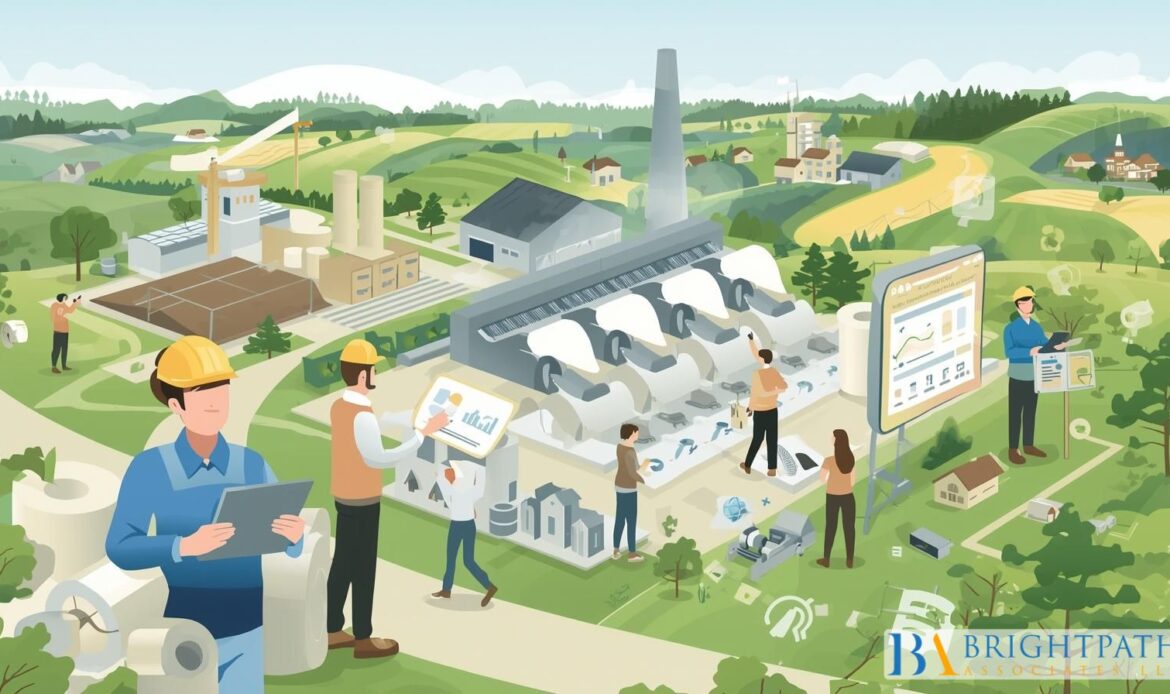
The paper industry stands as a pivotal player in #RuralEconomies, serving as a stable source of employment and economic development. However, rural areas face unique challenges in retaining skilled talent, a situation exacerbated by geographical isolation and limited resources. This blog explores the current trends, challenges, and strategies necessary for sustaining a capable and innovative workforce within the paper industry, all while maintaining a focus on sustainable practices.
The Current Landscape of the Paper Industry
Recent industry trends highlight a shift towards sustainable materials and advanced technologies, such as forest product innovation and paper recycling solutions. These changes are driven by increasingly stringent forestry regulations aimed at reducing the carbon footprint and promoting sustainable resource management. This effort is reshaping the economic fabric of the paper industry, compelling it to adapt through innovations such as enhanced paper and pulp technology. With these technological advancements, the industry is not only improving efficiency but also influencing employment trends and economic outcomes.
Challenges in Retaining Rural Talent
Rural areas often grapple with workforce shortages due to an aging population and a declining interest in #ManufacturingJobs among younger generations. This demographic shift poses a significant challenge to regions dependent on timber harvesting and wood product manufacturing. Moreover, rural settings frequently lack the access to resources and opportunities found in urban environment, creating a disparity that further complicates workforce retention. The lack of interest among young professionals entering fields related to timber harvesting and paper industry economics exacerbates these challenges, necessitating innovative solutions to attract talent.
Effective Workforce Strategies
To combat these issues, the implementation of strategic workforce initiatives is crucial. Successful rural areas have employed strategies such as robust onboarding programs, continuous development opportunities, and improvements in job environments to make positions more attractive. Highlighting the role of paper recycling solutions and timber harvesting innovations can generate enthusiasm in job creation and sustainability among potential employees. Enhancing the work environment increases job satisfaction and encourages a longer tenure, providing stability to rural economies.
Role of Technology and Innovation
Innovative technologies and advancements in wood product manufacturing play a crucial role in workforce strategies. They help alleviate the manual burden, making jobs safer and more appealing. By optimizing operations and processes through technology, the paper industry can attract a talent pool more inclined toward digital and automated solutions. Case studies demonstrate successful technology integration, leading to enhanced productivity and employee engagement in paper and #PulpTechnology.
Strategic Recruitment Practices
Since 2023, recruitment practices have evolved to address talent shortages, particularly in rural settings. #ExecutiveSearchRecruitment has emerged as a viable solution to these challenges, enabling companies to effectively bridge the talent gap. Building a robust employer brand attracts diverse talent pools and showcases the unique benefits of rural employment, such as a close-knit community and lower living costs. Additionally, the adoption of digital recruitment tools and social media campaigns expands the reach and effectiveness of hiring strategies.
Economic Implications and Future Outlook
The paper industry’s economic impact on rural communities is substantial, necessitating thoughtful strategies to ensure its sustainability. Analyzing current workforce trends reveals an increased reliance on proactive hiring strategies and government support for resolving workforce shortages. The intersection of technology, sustainable material sourcing, and progressive recruitment practices will define the future of the paper industry. Government policies and incentives can play a supportive role, ensuring that the sector remains competitive and sustainable.
Conclusion
In conclusion, #RetainingTalent in the rural paper industry requires a multifaceted approach involving strategic workforce planning, technological advancements, and innovative recruitment practices. As highlighted by sources like Brightpath Associates and Deloitte, the industry stands on the cusp of transformation. To thrive, industry leaders must invest in sustainable strategies that not only attract talent but also foster a forward-thinking and resilient workforce.
Find your next leadership role in Paper & Forest Products Industry today!
Stay informed with the latest insights on Paper & Forest Products Industry!