
Introduction
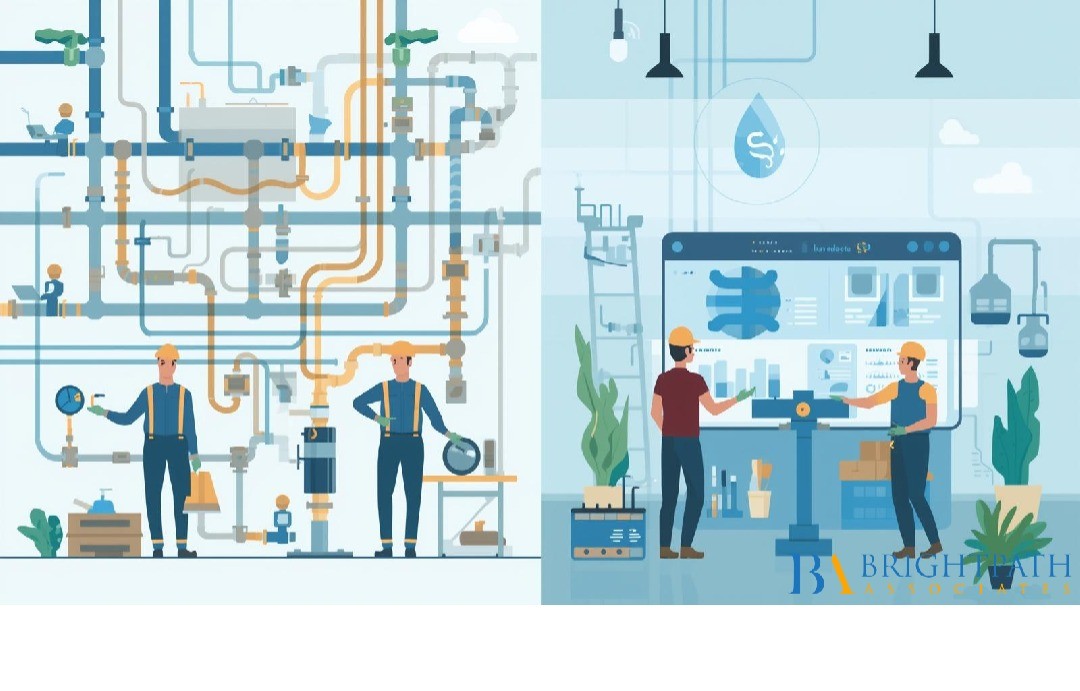
Reducing non-revenue water (NRW) has emerged as an increasingly critical objective for #UtilityManagers in today’s complex landscape. These leaders strive to find a balance between achieving operational goals and fulfilling their environmental responsibilities. NRW poses a significant challenge within the utility industry and involves the water that is produced and subsequently not billed due to various issues such as leaks, theft, or inaccuracies in metering. This complex issue not only represents a significant financial concern, impacting revenue, profitability, and the overall sustainability of water utility operations, but it also presents an operational challenge that can compromise the efficiency of utility service delivery. Addressing NRW is essential for preserving the health and longevity of water supply systems, and in turn, ultimately serves to contribute positively to societal needs and environmental conservation efforts.
Understanding Non-Revenue Water (NRW)
Non-revenue water encompasses multiple components, which include real losses due to leaks, apparent losses from illegal usage or theft, and unbilled authorized consumption. Effectively managing NRW involves navigating numerous challenges, such as aging infrastructure, an outdated technological landscape, and inadequate metering systems. Recent industry statistics indicate that NRW can account for an astounding 30% or more of a utility’s total water production, leading to significant financial losses that can undermine the fiscal integrity of these essential services. Effective management strategies are imperative to reverse this disturbing trend. Organizations like Fluid Conservation Systems are at the forefront, providing innovative technologies and practices to mitigate NRW effectively, showcasing their success through compelling case studies that offer practical insights into potential solutions.
Current Trends in Utility Management
The #UtilityIndustry is experiencing transformative changes, driven by technological advancements and an evolving regulatory framework. Emerging trends indicate a significant shift towards more sustainable practices and an increased integration of digital solutions to optimize operations. Utility technology innovation has become a pivotal factor in reducing NRW, as it offers advanced methods and tools for effective monitoring and swift leak detection. Noteworthy advancements include real-time data analytics, sophisticated pressure management systems, and automatic leak detection sensors, which are all contributing to smarter, more efficient water management systems. The ongoing digital transformation within utility frameworks is essential to driving these innovations, enhancing process efficiencies, improving service delivery outcomes, and ensuring compliance with stringent regulations.
Proven Strategies for Reducing NRW
Investing in Infrastructure and Technology
Investing in infrastructure is crucial for reducing NRW, as it ensures that the water delivery system is robust, efficient, and capable of meeting future demands while providing quality service. Implementing advanced utility solutions such as advanced metering infrastructure (AMI) and Geographical Information Systems (GIS) empowers utilities to manage and analyze their water networks with greater effectiveness. Utility technology innovations, including cutting-edge leak detection technology from leading providers like Echologics, have significantly bolstered the industry’s capacity to identify and remedy leaks rapidly, thus minimizing losses. Moreover, adopting advanced pressure management techniques can further alleviate pipeline stress, preventing potential breaks and ultimately extending the operational life and reliability of critical infrastructure networks, which is vital for maintaining public trust.
Comprehensive Monitoring and Maintenance Programs
Establishing comprehensive network monitoring systems forms a #FoundationalStrategy for reducing NRW, enabling utility managers to detect anomalies swiftly and achieving greater control over water distribution networks. Instituting routine maintenance and periodic audits is of paramount importance for sustaining infrastructure integrity and resilience. By pinpointing and rectifying minor issues before they escalate into more profound problems, utilities stand to save significant costs while ensuring uninterrupted service delivery to their customers. Furthermore, regular audits and maintenance practices contribute positively to regulatory compliance and enhance organizational transparency, which fosters public confidence in the utility sector—the lifeblood of many communities.
Customer Engagement and Community Involvement
Customer engagement emerges as a critical, yet often overlooked, component of efforts to reduce NRW. Educating communities about water conservation not only creates a culture of sustainability but also elicits consumer cooperation in minimizing water losses. When utilities adopt collaborative approaches, whereby consumers are empowered to participate actively in monitoring and reporting NRW, the impact can be substantial. This partnership cultivates a shared sense of responsibility and heightened awareness of the water conservation challenges confronting utilities today, ultimately fostering a more inclusive and proactive community.
Navigating Leadership and Talent Challenges
Leadership gaps pose another considerable challenge for utilities, particularly as the transition toward #RenewableEnergy accelerates. The rapid shift in demand for utilities, compounded by the rise of renewable energy sources, necessitates executives who possess unique competencies and visionary strategies. Effectively navigating these leadership shortages involves staying ahead of trends in executive hiring, a concern that has been highlighted by industry discussions between 2023 and 2025. To ensure that utility companies are equipped with the visionaries capable of guiding transformative initiatives, recruitment services like BrightPath Associates offer strategic insights that can help utilities cultivate effective leadership.
Case Study: Successful NRW Reduction
A relevant case study from Echologics exemplifies successful NRW reduction within a utility company. This particular utility adopted a comprehensive suite of strategies, which included deploying advanced leak detection technologies, conducting regular infrastructure audits, and actively engaging consumers in conservation efforts. As a result of these concerted efforts, the utility achieved a remarkable reduction in NRW, leading to significant operational cost savings and enhanced customer satisfaction. These strategies illuminate valuable lessons for other utilities looking to improve their operations and adopt best practices, showcasing the power of innovation and community engagement in addressing complex challenges.
Conclusion
Addressing the pressing issue of non-revenue water is essential for utility managers who aspire to improve operational efficiency, reduce costs, and champion environmental conservation across their sectors. By embracing proven strategies that range from infrastructure investment and technology adoption to regular maintenance and #CustomerEngagement, utilities can effectively manage the challenges associated with NRW. The ongoing transition towards digital solutions and renewable energy within the utility sector further empowers this movement, promising a future of enhanced efficiency and sustainable growth. Additionally, as the demands for leadership evolve, engaging with #ExecutiveSearchRecruitment services will provide strategic advantages for developing executive talent capable of navigating the dynamic changes inherent in this transformative environment. The path toward reduced NRW in the utilities and renewable energy sectors holds great promise, and proactive strategies will pave the way for sustained progress and community benefit.
Find your next leadership role in Utilities Industry today!
Stay informed with the latest insights on Utilities Industry!