
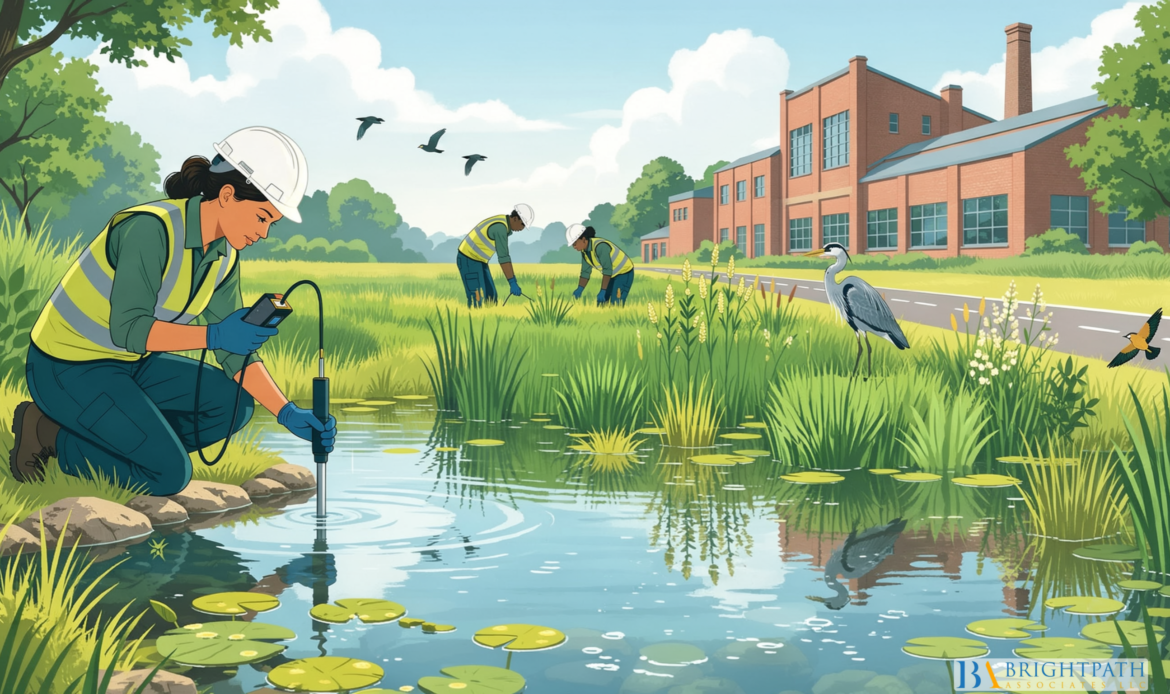
[Bethany, Connecticut – 27 November 2026] – BrightPath Associates has released new industry insights examining how hazardous waste management and Resource Conservation and Recovery Act (RCRA) compliance requirements are influencing talent needs across the Environmental Services Industry. The analysis highlights the growing importance of regulatory knowledge, operational expertise, documentation, and leadership capabilities as environmental organizations work to strengthen compliance and manage business risks.
For C-suite executives, environmental compliance is no longer simply a regulatory responsibility. It directly influences operational continuity, workforce planning, risk management, and business performance. Companies handling hazardous waste must ensure that employees understand applicable requirements, waste classification procedures, inspection responsibilities, recordkeeping practices, and escalation processes. These growing responsibilities are increasing the importance of hiring professionals who can connect regulatory knowledge with practical workplace execution.
Hazardous Waste Regulations Are Changing Workforce Priorities
The Resource Conservation and Recovery Act establishes the federal framework for managing solid and hazardous waste. Businesses operating under applicable requirements must identify waste correctly, manage storage and handling procedures, maintain appropriate documentation, and ensure that employees understand their responsibilities. These activities require coordination between environmental teams, facility managers, production personnel, and senior leadership.
BrightPath Associates emphasizes that compliance depends on clear operational ownership. As stated in its analysis, “It is assigning clear ownership when waste decisions cross department lines.” This highlights a major challenge for employers: regulatory knowledge alone may not be sufficient when professionals must coordinate with different departments, evaluate waste streams, investigate potential issues, and ensure that decisions are properly documented.
Organizations should therefore evaluate whether their current workforce has the technical knowledge, practical experience, and decision-making authority required to manage hazardous waste responsibilities. Defining clear responsibilities, backup coverage, and escalation procedures can help businesses strengthen Environmental compliance and avoid operational confusion.
Environmental Compliance Requires Technical and Practical Skills
Environmental professionals increasingly need a combination of regulatory understanding, field experience, communication skills, and documentation capabilities. Waste characterization, environmental inspections, hazardous material handling, compliance reporting, employee training, and site assessments require professionals who can apply regulations to real operating conditions.
Employers should also distinguish between regulatory qualifications and task-specific safety training. Certifications and training programs can support professional development, but hiring decisions should consider the actual responsibilities of each position. Environmental specialists, compliance managers, field technicians, and senior executives may require different levels of technical expertise and operational experience.
This shift is particularly important for companies investing in Environmental innovation, Clean technology, Green technology, and Environmental sustainability. New processes, materials, and technologies may introduce different waste-management considerations. Leaders must ensure that innovation initiatives are supported by employees who understand environmental risks, regulatory obligations, and operational requirements.
Strategic Workforce Planning Supports Compliance and Business Growth
Environmental companies face different workforce requirements depending on facility complexity, waste generation activities, operating schedules, regulatory responsibilities, and the availability of internal expertise. Some businesses may benefit from dedicated environmental professionals, while others may require a combination of cross-trained employees, external specialists, and experienced leadership.
BrightPath Associates recommends evaluating workload, recurring compliance duties, decision-making responsibilities, and coverage requirements before creating new positions. This approach can help organizations determine where additional employees are necessary and where existing teams can be supported through training or external expertise. It also allows executives to prioritize hiring based on business risks rather than job titles alone.
Organizations seeking specialized professionals may benefit from Environmental executive search strategies that focus on technical expertise, leadership ability, regulatory judgment, and industry experience. Recruiting professionals who can manage environmental programs while communicating effectively with operations teams and executive leadership can help businesses strengthen compliance processes and improve organizational readiness.
Environmental Leadership Is Becoming More Important
Environmental Services companies are managing increasingly interconnected responsibilities involving hazardous waste, air pollution control, water treatment, environmental monitoring, sustainability initiatives, and regulatory reporting. These responsibilities require leaders who can translate technical findings into business decisions, manage resources, develop employees, and establish clear accountability across teams.
For executives, successful talent planning should include succession planning, employee development, cross-training, and retention strategies. Businesses should identify critical positions where a vacancy could interrupt compliance activities or delay important decisions. Establishing backup coverage and documenting procedures can help reduce dependence on individual employees while improving operational resilience.
The broader Environmental Services Industry is also evolving through clean technology adoption, digital monitoring, sustainable operations, and changing regulatory expectations. Organizations that align workforce capabilities with these developments can strengthen their ability to adapt, manage environmental responsibilities, and pursue long-term growth.
BrightPath Associates’ latest analysis, How RCRA Compliance Requirements Are Affecting Environmental Talent Needs, provides additional guidance for executives evaluating environmental workforce requirements, compliance responsibilities, recruitment priorities, and leadership capabilities.
About BrightPath Associates
BrightPath Associates is an executive search recruitment and talent solutions firm helping companies identify qualified professionals and leadership talent across multiple industries. The organization works to connect businesses with candidates who can support operational performance, workforce development, business growth, and long-term strategic objectives. Its mission is to help companies build stronger teams by connecting them with the right talent while supporting professionals in finding rewarding career opportunities.
Media Contact:
Name: Corporate Communications Team
Company: BrightPath Associates
Email: media@brightpathassociates.com
Website: https://brightpathassociates.com