
Introduction
In an increasingly digital world, high-quality business printing continues to play a powerful role in shaping corporate identity and reinforcing brand credibility. For organizations across industries, printed materials such as marketing collateral, corporate reports, packaging, signage, and branded stationery remain essential communication tools that reflect professionalism and reliability. Within the broader #BusinessSuppliesIndustry, companies specializing in printing solutions and office equipment are adapting to new technological developments, shifting client expectations, and evolving workplace environments.
For C-suite executives and founders of small to mid-sized business supplies companies, maintaining a competitive edge requires a careful balance between traditional product offerings and modern technological capabilities. High-quality business printing is no longer simply about producing documents or marketing materials; it is about delivering strategic value through design precision, material quality, and advanced printing technologies that enhance brand perception.
At the same time, the business supplies sector is undergoing significant transformation driven by digitalization, supply chain restructuring, and evolving procurement strategies. As organizations modernize their office infrastructure and adopt digital transformation initiatives, suppliers must rethink their operational models and leadership strategies to remain relevant in a changing marketplace.
The Role of Business Printing in Brand Excellence
Business printing remains a cornerstone of corporate communication despite the growth of digital channels. Companies rely on printed materials to convey brand identity in a tangible and memorable way. Well-designed brochures, packaging materials, product catalogs, and corporate presentations create a physical representation of a brand’s values and professionalism.
Research across marketing and branding industries consistently shows that physical materials often leave a stronger and more lasting impression than digital-only communication. High-quality printing enhances color accuracy, typography precision, and overall design consistency, reinforcing brand recognition across customer touchpoints.
Within industries such as retail, hospitality, finance, and professional services, printed materials continue to play an essential role in customer engagement strategies. Businesses frequently invest in premium paper quality, specialized printing techniques, and custom packaging designs to differentiate their brands in competitive markets.
For companies operating within the office supplies and business equipment sector, providing high-quality printing solutions represents a strategic opportunity to support client branding efforts while generating long-term business relationships. Suppliers that offer reliable printing services, advanced office technology, and integrated solutions are increasingly positioned as strategic partners rather than simple product vendors.
Technology Reshaping the Business Printing Landscape
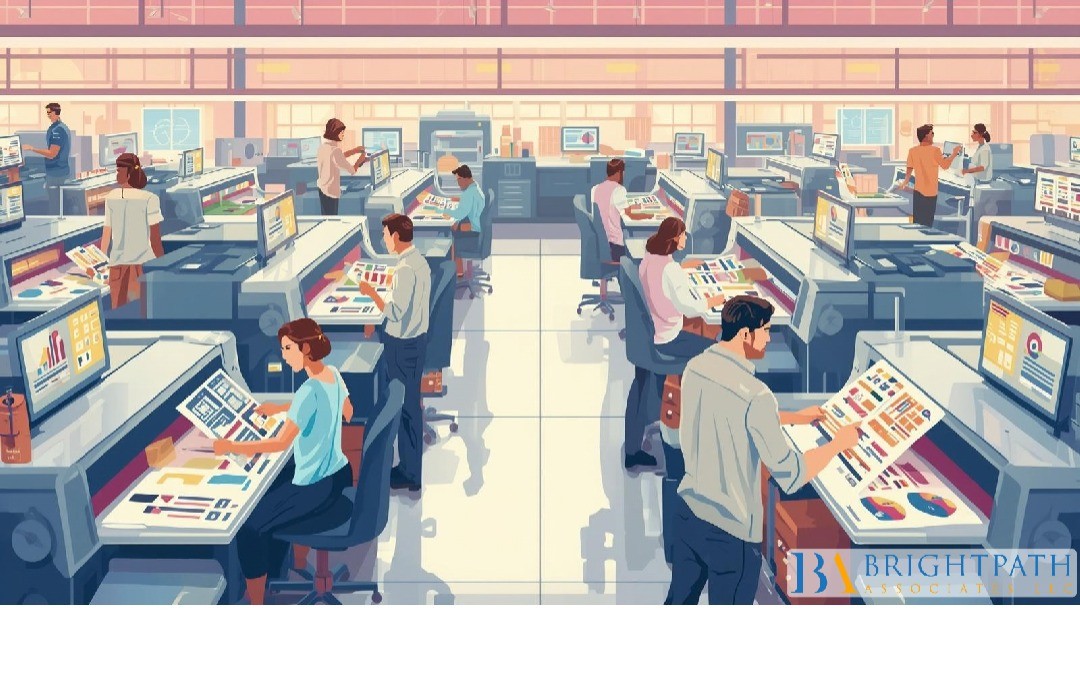
The #BusinessPrintingIndustry is undergoing rapid technological evolution as companies integrate advanced printing systems, automation technologies, and digital workflow solutions. Modern printing equipment offers higher precision, faster production speeds, and improved sustainability performance compared to traditional printing methods.
Digital printing technologies have become particularly influential in transforming the industry. These systems allow for shorter production runs, personalized printing, and faster turnaround times. Businesses can now produce customized marketing materials, targeted promotional campaigns, and limited-edition packaging without the high setup costs associated with traditional printing techniques.
Office technology trends are also influencing the future of printing services. Integrated office equipment, including multifunction printers and cloud-connected devices, enables organizations to streamline document management, improve workflow efficiency, and reduce operational costs. As remote work and hybrid office models continue to reshape corporate environments, demand for flexible and digitally integrated printing solutions is increasing.
Automation and data analytics are further enhancing operational efficiency within the printing sector. Smart production systems can monitor print quality, track material usage, and optimize production schedules, allowing suppliers to deliver consistent quality while reducing waste and operational downtime.
For business supplies companies, embracing digital transformation in office technology is essential for maintaining competitiveness and meeting the evolving needs of modern organizations.
Supply Chain Dynamics and Procurement Strategies
Supply chain trends are significantly influencing the business supplies industry, including the printing sector. Organizations are increasingly focused on procurement strategies that prioritize reliability, cost efficiency, and sustainability. Office supply vendors must adapt to these changing expectations by strengthening their supply chain networks and offering flexible procurement solutions.
Disruptions in global supply chains have highlighted the importance of resilient sourcing strategies for raw materials such as paper, ink, and printing components. Companies that maintain strong supplier relationships and diversified sourcing strategies are better equipped to manage fluctuations in material availability and pricing.
Procurement teams are also adopting more strategic approaches to supplier partnerships. Instead of engaging multiple vendors for individual services, many organizations prefer integrated suppliers that can provide a comprehensive range of business supplies, including office equipment, printing services, and commercial office furniture solutions.
This shift toward integrated service models is creating new opportunities for business supplies companies that can deliver comprehensive workplace solutions. Suppliers that combine high-quality printing capabilities with advanced office technology and equipment maintenance services are increasingly positioned to capture a larger share of corporate procurement budgets.
Workforce Challenges and Leadership Talent Gaps
While technological innovation and #SupplyChain transformation are reshaping the business supplies sector, workforce challenges remain a major concern for many organizations. The industry is experiencing a growing shortage of experienced leadership professionals capable of managing complex operations, digital transformation initiatives, and evolving market demands.
Executives within business supplies companies must now navigate a wide range of responsibilities that extend beyond traditional operational management. Modern leadership roles require expertise in technology adoption, supply chain optimization, procurement strategy, and customer relationship management.
At the same time, the competitive labor market is making it increasingly difficult for small to mid-sized companies to attract experienced executives with the skills necessary to lead these initiatives. Leadership talent shortages can slow down digital transformation efforts, hinder strategic expansion, and limit an organization’s ability to respond effectively to changing industry conditions.
The challenge is particularly significant for organizations attempting to integrate new office technologies, develop innovative printing services, and expand their supply chain capabilities. Without experienced leadership guiding these initiatives, companies risk falling behind competitors that are better positioned to adapt to industry changes.
The Strategic Importance of Executive Search Recruitment
To address leadership shortages and strengthen organizational capabilities, many business supplies companies are adopting more strategic approaches to executive recruitment. #ExecutiveSearchRecruitment has emerged as a highly effective method for identifying and securing leadership talent with specialized expertise in technology, supply chain management, and operational strategy.
Unlike traditional hiring methods, executive search recruitment involves a targeted and research-driven process designed to identify qualified candidates who possess both technical knowledge and strategic leadership experience. This approach enables organizations to access a broader talent pool, including executives who may not be actively seeking new opportunities but possess valuable industry expertise.
For business supplies companies navigating digital transformation in office environments, executive search recruitment can play a crucial role in securing leaders capable of driving innovation and operational excellence. Executives with experience in office technology trends, procurement strategy, and supply chain management bring valuable insights that help organizations adapt to changing market conditions.
Moreover, specialized recruitment processes ensure that leadership candidates align with an organization’s long-term strategic objectives. By selecting executives who possess both industry expertise and visionary leadership qualities, companies can build stronger management teams capable of guiding growth and innovation.
Building Future-Ready Leadership Teams
The future success of business supplies companies will depend largely on their ability to develop resilient and forward-thinking leadership teams. Executives must not only manage current operations but also anticipate emerging trends in office technology, procurement practices, and workplace environments.
Companies that prioritize leadership development and strategic talent acquisition are better equipped to navigate industry transformation. By combining internal leadership development initiatives with targeted executive recruitment strategies, organizations can create a balanced leadership pipeline that supports long-term stability and growth.
Leaders who understand the evolving role of high-quality printing within brand communication strategies can help companies identify new revenue opportunities and strengthen client relationships. At the same time, executives with expertise in supply chain trends and digital transformation can guide operational improvements that enhance efficiency and profitability.
Strong leadership also plays a critical role in fostering innovation within the organization. By encouraging experimentation with new printing technologies, materials, and service models, executives can help companies remain competitive in a rapidly changing industry.
The Future of Business Printing and Workplace Solutions
The future of business printing will be closely linked to the broader transformation of modern workplaces. As organizations continue to adopt hybrid work models and digital collaboration tools, the role of office technology and printing solutions will evolve to support more flexible and integrated workflows.
High-quality printing will remain an important component of brand communication, particularly for #MarketingMaterials, packaging solutions, and corporate documentation. However, printing services will increasingly be integrated with digital platforms that enable seamless document management, workflow automation, and cloud-based collaboration.
Business supplies companies that embrace these changes will be better positioned to deliver value-added services that extend beyond traditional printing solutions. Integrated office technology, equipment maintenance services, and procurement support will become essential components of comprehensive workplace solutions.
Conclusion: Leadership and Innovation Driving Industry Growth
The business printing sector continues to play a vital role in supporting corporate branding and communication strategies across industries. As companies seek to maintain strong brand identities and deliver high-quality customer experiences, the demand for professional printing solutions remains significant.
However, the industry is also experiencing rapid transformation driven by digital technology, supply chain restructuring, and changing workplace environments. For small to mid-sized business supplies companies, adapting to these changes requires both technological innovation and strong strategic leadership.
Leadership talent shortages present a significant challenge for organizations seeking to modernize operations and expand their market presence. Executive search recruitment provides an effective solution by connecting companies with experienced leaders capable of guiding digital transformation initiatives, optimizing supply chains, and strengthening client relationships.
By investing in advanced technologies, building resilient leadership teams, and embracing innovative service models, business supplies companies can position themselves for long-term success. In an industry where brand excellence and operational efficiency are closely intertwined, organizations that combine high-quality printing expertise with visionary leadership will continue to thrive in an increasingly competitive marketplace.
Find your next leadership role in Business Supplies Industry today!
Stay informed with the latest insights on Business Supplies Industry!