
Introduction
In the landscape of modern agriculture, irrigation systems have become a cornerstone for enhancing food production and achieving sustainability. #TraditionalWateringMethods, such as flood or surface irrigation, often led to water wastage and inefficient resource utilization. These methods not only contributed to the depletion of local water sources but also resulted in soil erosion and nutrient runoff, which can have long-lasting effects on agricultural health. However, with the advent of precision irrigation techniques, modern agriculture has witnessed a paradigm shift towards optimized water usage. This shift is contributing significantly to agricultural sustainability and overall food security, especially in the face of climate change and increasing population pressures.
The Evolution of Agricultural Technology
Historically, irrigation has been a vital agricultural practice, tracing its roots back to ancient civilizations, where early farmers utilized simple methods such as canals and ditches to support their crops. However, the introduction of digital agriculture technology has revolutionized these traditional practices. Emerging technologies have allowed farmers to implement more sophisticated methods of irrigation management. The integration of precision agriculture — utilizing technologies like soil moisture sensors, GPS mapping, and data analytics — is transforming how farms cultivate and harvest crops. By harnessing these technological advancements, farmers can enhance efficiency, boost productivity, and reduce labor costs, ultimately leading to a more sustainable agricultural practice.
Understanding Precision Watering
Precision watering is a pivotal component of modern irrigation systems, embodying the use of advanced technologies to #DeliverWater directly to plant roots, thereby minimizing wastage. It optimizes water usage by delivering the precise amount required for optimal plant growth, which is crucial in areas where water is scarce. Key components include soil moisture sensors that monitor the moisture levels in the ground, automated sprinkler systems that can be programmed to deliver water at specific times or under certain conditions, and advanced farm management software that facilitates seamless water distribution. These technologies not only ensure that crops receive the appropriate amount of water but also help farmers track data and analyze water usage trends over time. Tools like digital farming applications and farm management systems have become integral in managing these complex networks, enabling farmers to make data-driven decisions that lead to increased crop yields and enhanced operational efficiency.
The Role of Agricultural Innovation in Sustainable Farming
Modern irrigation technologies play a pivotal role in sustainable farming by significantly reducing water usage while simultaneously promoting soil health. These advancements not only support agricultural sustainability but also profoundly influence the food production market. For instance, by integrating organic farming practices with precision watering, farmers can increase yields while maintaining ecological balance. Techniques such as crop rotation, cover cropping, and reduced tillage complement precision irrigation, optimizing both soil quality and environmental health. Moreover, farmers adopting such innovative strategies can meet rising consumer demand for sustainably grown produce, highlighting how agricultural innovation is pivotal to evolving farming practices and responding to societal shifts toward environmental stewardship.
Exploring Modern Irrigation Systems
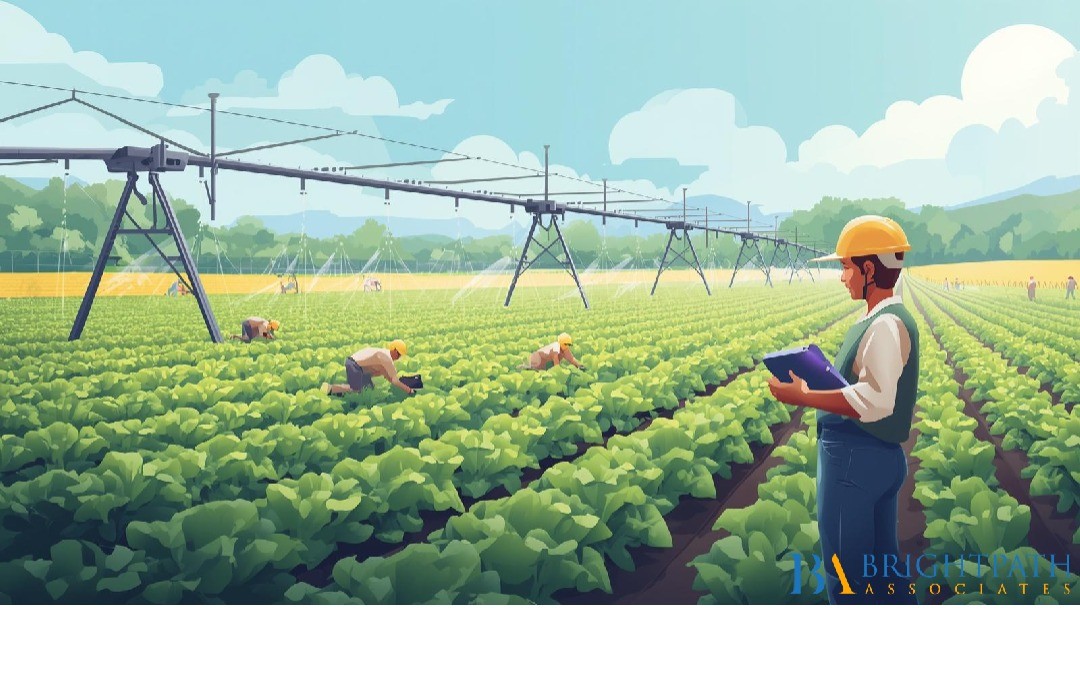
Modern irrigation technologies, including drip, micro-sprinkler, and pivot systems, offer distinct functionalities tailored for various crop types and landscapes. Drip irrigation systems deliver water directly to the roots of plants through a network of tubing, reducing evaporation and runoff, making it an ideal choice for row crops and orchards. Micro-sprinklers cover larger areas and can be adjusted to meet the specific needs of different crops. Pivot systems, which are essentially automated sprinkler systems that rotate around a central pivot, offer coverage for large fields and can be #ManagedRemotely. These systems are designed for efficient water distribution, conserving resources while simultaneously increasing yields. Their scalability and adaptability across numerous agricultural environments make them indispensable tools in contemporary farming. As farmers adopt these technologies, they often experience a measurable reduction in water and energy costs, which further promotes long-term sustainability and productivity.
The Link Between Precision Watering and Agricultural Sustainability
Precision watering underpins sustainable farming practices through its efficient use of resources, aligning well with the principles of environmental conservation and responsible resource management. Successful implementation cases, such as those witnessed in vineyards and orchards across arid regions, demonstrate significant improvements in both crop quality and quantity. These successes underscore the transformative impact of precision watering on sustainable agriculture, showcasing how optimal irrigation not only conserves water but also enhances crop resilience to climate variability. As agriculture continues to grapple with changing weather patterns and water scarcity, the ability to utilize precision watering methods effectively can serve as a critical factor in maintaining agricultural productivity and ensuring food security.
Market Analysis: Precision Irrigation and the Future
Analyzing the food production market through the lens of irrigation technologies reveals substantial #GrowthOpportunities in the coming years. As demand for sustainable farming practices rises globally, precision irrigation systems are poised to lead market innovations, with more farmers recognizing the importance of sustainable methods in their agricultural operations. Looking ahead, these technologies are predicted to be integral to future farming practices, ensuring that water conservation and productivity go hand in hand. Additionally, as advancements in artificial intelligence and machine learning continue to develop, we can expect even more sophisticated systems that not only irrigate more efficiently but also predict crop water needs based on real-time data analytics. This progression in technology will undoubtedly open new pathways for farmers to navigate the challenges of a rapidly changing agricultural landscape.
Challenges and Solutions in Precision Watering
Despite its numerous benefits, precision watering presents challenges, particularly in the adaptation and execution phases for farmers transitioning from traditional methods. Barriers such as high initial investment costs, the need for technical training, and the challenges associated with understanding complex technological systems can deter farmers from adopting these innovative practices. However, there are viable solutions to mitigate these challenges. #ExecutiveSearchRecruitment can play a strategic role in overcoming these hurdles by facilitating the acquisition of leadership talent skilled in digital agriculture technology. By bringing in professionals who understand the intricacies of modern irrigation systems, recruitment practices can evolve to address these complex challenges, ensuring successful technology integration in farming operations. Moreover, through collaboration with educational institutions and agricultural extensions, farmers can receive training and resources necessary to adapt to these cutting-edge irrigation technologies effectively.
Conclusion
Modern irrigation systems present numerous benefits, reshaping traditional agriculture into a more efficient and sustainable venture focused on long-term resource conservation. As the agriculture sector continues to innovate, the focus on precision watering will be central to driving further advancements in sustainability and technology integration. This marks a significant step forward in agricultural resilience, laying the groundwork for future generations to inherit a more sustainable farming landscape. As we move forward, the integration of precision irrigation with other innovative practices will likely lead us toward a harmonious balance between productivity and environmental stewardship.
References
For further reading and credibility, please refer to: Bright Path Associates.
Find your next leadership role in Farming Industry today!