
Introduction
The #RailroadManufacturingSector operates at the intersection of safety, engineering excellence, and national infrastructure development. As the railroad manufacturing industry outlook reflects steady investment in freight modernization, passenger rail expansion, and infrastructure upgrades, expectations around product reliability and regulatory compliance have intensified. For C-suite executives and founders of small to mid-sized railroad manufacturing companies, robust quality control is no longer confined to plant-level operations. It is a strategic imperative that directly influences brand reputation, contract acquisition, and long-term profitability.
Railroad equipment manufacturers operate in a highly regulated environment where even minor quality lapses can have severe financial and reputational consequences. Components used in locomotive manufacturing, braking systems, railcars, and signaling equipment must meet stringent safety standards. As rail industry innovations accelerate and rail technology advancements introduce more sophisticated digital and mechanical systems, quality control frameworks must evolve accordingly.
Quality failures in this sector can result in costly recalls, operational downtime, litigation exposure, and damaged relationships with transportation authorities. For leadership teams, implementing robust quality management systems is as much about risk mitigation as it is about operational excellence.
The Evolution of Quality in Advanced Manufacturing
The broader US manufacturing industry has undergone significant transformation, driven by automation, digitalization, and advanced analytics. Railroad manufacturing is no exception. Traditional inspection-based models are giving way to integrated, data-driven quality systems embedded across production lifecycles.
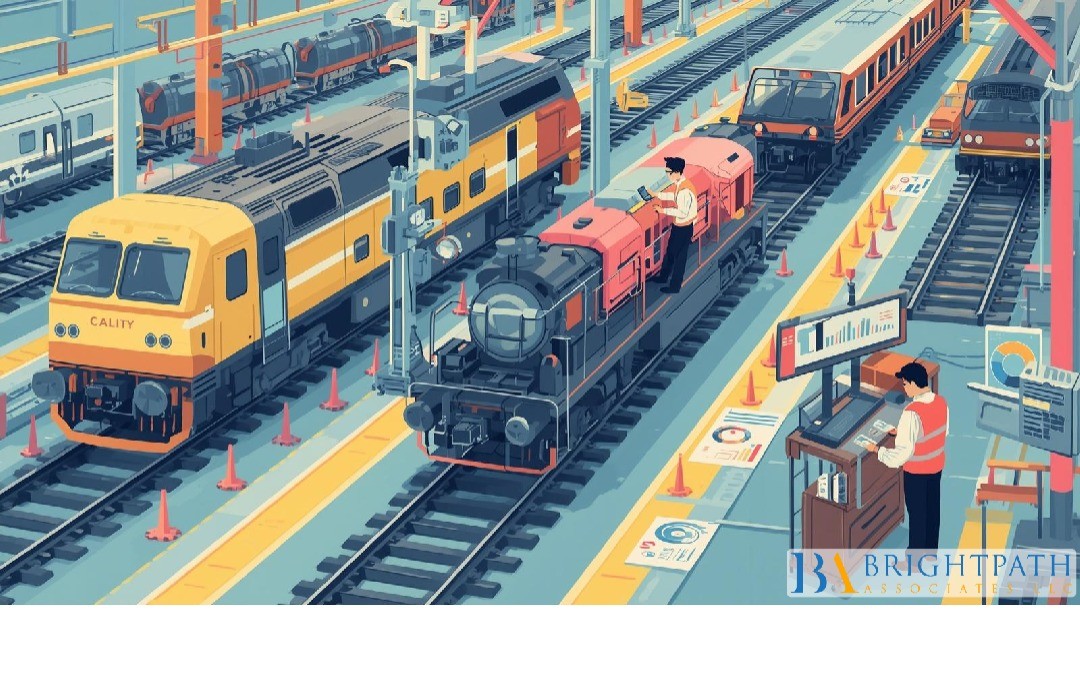
Advanced manufacturing technologies now enable predictive quality analytics, real-time defect detection, and automated compliance tracking. Sensors embedded within production lines collect performance data that feeds into centralized dashboards, allowing leaders to monitor deviations instantly. These systems are particularly critical in locomotive manufacturing, where complex assemblies demand precision at every stage.
Rail technology advancements, including intelligent braking systems and digitally integrated control mechanisms, have further elevated quality requirements. As systems become more interconnected, the margin for error narrows. Executives must ensure that quality control protocols extend beyond physical components to encompass software integrity and cybersecurity safeguards.
The integration of automation enhances consistency but also requires leadership oversight. Investments in robotics, artificial intelligence-driven inspection tools, and digital twins represent substantial capital commitments. Leaders must evaluate these investments strategically, balancing technological adoption with return on investment and workforce readiness.
Operational Risk and Competitive Pressure
Competition among top railroad manufacturing companies US has intensified as infrastructure spending and modernization initiatives expand. Winning long-term contracts increasingly depends on demonstrable quality assurance capabilities and proven compliance records. Buyers and regulatory bodies scrutinize supplier performance metrics, audit results, and safety histories before awarding contracts.
Defects or compliance violations can significantly undermine competitive positioning. In an industry where contract cycles span years and projects involve substantial capital outlays, reputation is a critical asset. Quality lapses not only disrupt operations but also weaken investor confidence and stakeholder trust.
Additionally, #GlobalSupplyChain volatility has added complexity to quality control. Sourcing specialized materials and components from multiple vendors requires rigorous supplier quality management systems. Executives must ensure that quality standards extend throughout the value chain, from raw material procurement to final assembly and testing.
In this environment, operational excellence becomes inseparable from strategic leadership. Effective quality control frameworks demand coordination across engineering, procurement, production, and compliance teams. Such coordination requires capable executive oversight.
Expanding Leadership Responsibilities
The role of leadership within railroad manufacturing has evolved significantly. Historically, quality control may have been viewed primarily as an operational function. Today, it sits firmly within the strategic purview of senior executives. Chief operations officers, plant directors, and quality executives are expected to integrate advanced manufacturing systems, oversee regulatory compliance, and drive continuous improvement initiatives simultaneously.
This expansion of responsibilities coincides with a broader leadership talent shortage across advanced manufacturing sectors. Many experienced executives within the railroad manufacturing industry are approaching retirement, creating succession gaps. Simultaneously, emerging technologies demand leaders who are fluent in digital transformation, data analytics, and cross-functional collaboration.
Modern executives must understand not only mechanical engineering principles but also the digital infrastructure that supports quality assurance. They are responsible for fostering cultures of accountability, implementing standardized operating procedures, and aligning quality metrics with financial performance indicators.
Failure to secure capable leadership can stall modernization initiatives and undermine operational stability. In a sector where safety is paramount, leadership misalignment poses tangible risks.
Talent Shortages and the Changing Executive Landscape
The advanced manufacturing labor market remains highly competitive. Skilled professionals with expertise in quality systems, regulatory compliance, and #DigitalManufacturing are in high demand. Smaller railroad equipment manufacturers often compete with larger industrial conglomerates for the same limited talent pool.
Moreover, expectations for executive roles have broadened. Leaders must navigate evolving regulatory landscapes, manage environmental sustainability goals, and oversee digital integration projects. The complexity of these roles reduces the availability of qualified candidates, extending hiring timelines and increasing the risk of prolonged vacancies.
Delayed executive appointments can disrupt strategic initiatives, delay product development, and weaken internal morale. In an industry frequently highlighted in rail industry news for technological upgrades and infrastructure projects, maintaining leadership continuity is essential.
The Strategic Evolution of Recruitment Practices
Given these dynamics, recruitment practices in railroad manufacturing are evolving. Traditional hiring methods, often reactive and transactional, are increasingly insufficient for addressing complex executive requirements. Companies are turning toward executive search recruitment strategies that emphasize long-term alignment and sector expertise.
#ExecutiveSearchRecruitment provides a structured, research-driven approach to identifying leadership talent with proven experience in advanced manufacturing and regulated industries. Rather than relying solely on active applicants, specialized search partners conduct targeted outreach, talent mapping, and competitive analysis.
This methodology enables organizations to access a broader candidate pool, including passive executives currently leading successful modernization initiatives elsewhere. It also ensures thorough evaluation of technical competence, leadership style, and cultural compatibility.
Executive Search Recruitment as a Competitive Advantage
For small to mid-sized railroad manufacturing firms, partnering with a specialized executive search recruitment provider can create measurable strategic advantage. Such partnerships reduce hiring risk, accelerate time-to-placement, and ensure alignment between executive capability and corporate objectives.
Brightpath Associates exemplifies this strategic approach. Through its industry-focused executive search recruitment methodology, the firm supports railroad manufacturing companies in identifying leaders capable of driving quality transformation and operational excellence. Its evaluation processes consider both technical expertise and strategic vision, ensuring that appointed executives can integrate advanced manufacturing systems with robust quality control frameworks.
By treating executive hiring as a strategic investment rather than a routine administrative task, companies strengthen succession planning, improve governance, and enhance competitive positioning.
Sustaining Precision Through Leadership Excellence
Precision and perfection in railroad manufacturing are achieved through the alignment of advanced quality systems and capable leadership. While technological investments in automation and digital monitoring are essential, they must be guided by executives who understand the interplay between engineering integrity, regulatory compliance, and financial performance.
For C-suite leaders and founders, the path forward involves integrating quality control strategy with workforce strategy. Addressing #LeadershipShortages through proactive executive search recruitment ensures that organizations remain agile, compliant, and innovative.
In a sector defined by safety and reliability, competitive advantage depends on both technical mastery and human capital excellence. Railroad manufacturing companies that prioritize robust quality frameworks and strategic leadership acquisition will not only meet regulatory expectations but also set new standards for operational excellence within the US manufacturing industry.
Find your next leadership role in Railroad Industry today!
Stay informed with the latest insights on Railroad Industry!