
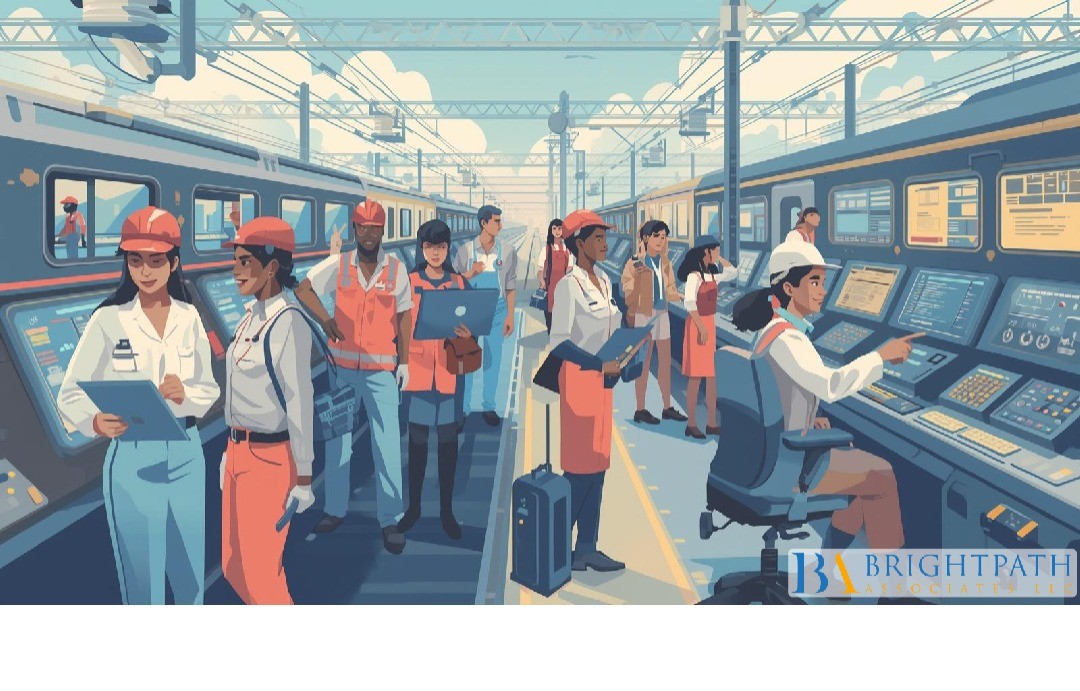
Introduction
The US #RailroadIndustry has long been a cornerstone of the nation’s transportation infrastructure, playing a vital role in the movement of goods and people across vast distances. As this industry evolves, it faces new challenges and opportunities, particularly in terms of workforce dynamics and technological innovation. This article delves into the current state and future outlook of the railroad manufacturing industry, highlighting key trends and innovations shaping the sector.
The Railroad Manufacturing Industry Outlook
The railroad manufacturing industry in the United States is undergoing significant transformation. As globalization and technological advancement continue to reshape the economic landscape, the industry must adapt to maintain its competitive edge. The outlook for this sector remains promising, driven by a combination of domestic demand, export opportunities, and the need for sustainable and efficient transportation solutions.
Key factors influencing the railroad manufacturing industry outlook include the modernization of infrastructure, increased investment in rail networks, and advancements in locomotive manufacturing. The push for greener and more efficient transportation has also spurred innovation in design and materials, leading to the development of more energy-efficient and environmentally friendly rail solutions.
Top Railroad Manufacturing Companies in the US
Several prominent companies lead the charge in the US railroad manufacturing sector, leveraging their expertise and resources to drive innovation and growth. Among these, General #ElectricTransportation, now part of Wabtec Corporation, stands out as a leader in locomotive manufacturing and advanced manufacturing technologies. Their commitment to sustainability and cutting-edge technology has positioned them at the forefront of rail industry innovations.
Another key player is Progress Rail, a Caterpillar company, known for its comprehensive range of rail solutions, including locomotive manufacturing and rail equipment. Their focus on rail technology advancements and rail industry risk management has made them integral to the sector’s development.
Rail Industry Innovations
Innovation is the lifeblood of the rail industry, propelling it toward a future where efficiency, safety, and sustainability are paramount. Recent rail industry innovations have focused on several areas, including digitalization, automation, and the integration of renewable energy sources.
One significant advancement is the implementation of smart rail technology, which uses data analytics and IoT (Internet of Things) to enhance operational efficiency and safety. This technology allows for real-time monitoring of rail systems, predictive maintenance, and improved scheduling, reducing delays and minimizing risks.
Additionally, the development of hybrid and electric locomotives represents a significant leap in reducing the rail industry’s carbon footprint. These locomotives not only lower emissions but also reduce fuel consumption, aligning with the global push toward sustainability.
Rail Technology Advancements
#RailTechnology advancements are reshaping how railroads operate and interact with their environment. The integration of AI (Artificial Intelligence) and machine learning into rail systems is enhancing predictive maintenance, improving safety, and optimizing operations. AI-driven algorithms can analyze vast amounts of data to predict equipment failures before they occur, thereby reducing downtime and preventing accidents.
Moreover, advancements in materials science have led to the creation of lighter and more durable materials for rail equipment manufacturers. These materials improve fuel efficiency and extend the lifespan of rail infrastructure, contributing to the overall sustainability of the industry.
Railroad Manufacturing and Risk Management
Risk management is a critical component of the railroad manufacturing process, as it ensures the safety and reliability of rail systems. The industry faces various risks, including operational hazards, cyber threats, and financial uncertainties. To mitigate these risks, companies are investing in robust risk management frameworks that encompass both technological and human factors.
Cybersecurity has become a focal point in risk management, given the increasing reliance on digital technologies in rail operations. Protecting rail networks from cyber threats is essential to maintaining operational integrity and safeguarding sensitive data.
The Role of Locomotive Manufacturing in the Evolving Industry
#LocomotiveManufacturing is at the heart of the railroad industry, driving technological advancements and economic growth. The shift toward more sustainable locomotive solutions is a testament to the industry’s commitment to innovation and environmental stewardship.
Manufacturers are exploring alternative fuels and propulsion systems, such as hydrogen fuel cells and battery-electric technology, to reduce emissions and enhance performance. These advancements not only contribute to a cleaner environment but also offer cost savings and operational efficiencies for rail operators.
The Broader US Manufacturing Industry and Its Impact on Railroads
The US manufacturing industry plays a pivotal role in shaping the railroad sector, providing the necessary infrastructure, materials, and technologies to support its growth. Advanced manufacturing techniques, such as 3D printing and robotics, are revolutionizing production processes, enabling greater precision and customization in railroad equipment manufacturing.
The synergy between the railroad and manufacturing industries fosters innovation, drives economic growth, and enhances the country’s competitive position in the global market. This collaboration is essential for addressing the challenges posed by an ever-evolving transportation landscape.
The Importance of Executive Search Recruitment in the Rail Industry
As the #RailroadIndustry navigates its transformation, attracting and retaining skilled talent becomes increasingly important. #ExecutiveSearchRecruitment plays a crucial role in identifying and securing the leadership needed to guide companies through this period of change.
The demand for professionals with expertise in rail technology advancements, risk management, and sustainable practices is on the rise. Companies are seeking visionary leaders who can drive innovation, manage complex projects, and navigate the regulatory landscape while fostering a culture of safety and excellence.
Conclusion
The US railroad industry stands at a crossroads, poised to embrace a future defined by innovation and sustainability. With the continued evolution of the workforce and the integration of cutting-edge technologies, the industry is well-equipped to meet the challenges and opportunities of the modern era. The railroad manufacturing industry outlook remains bright, supported by the efforts of top railroad manufacturing companies in the US and a commitment to rail industry innovations and advancements. As the sector continues to evolve, the collaboration between industry leaders, manufacturers, and skilled professionals will be crucial in powering the rails into the future.
Find your next leadership role in Railroad Industry today!
Stay informed with the latest insights on Railroad Industry!