
Introduction
The #MechanicalEngineeringIndustry is continuously evolving, demanding innovation and adaptability from its stakeholders. As 2025 unfolds, emerging trends are reshaping the landscape, necessitating a strategic approach to seize opportunities and mitigate challenges. For C-suite executives and founders of small to mid-sized mechanical engineering companies, understanding these trends is crucial for steering their organizations towards sustainable growth and competitive advantage. An accurate assessment of the current environment will empower leaders to make informed decisions, fostering resilience in an increasingly dynamic marketplace.
Evolving Design Services and Technologies
Mechanical Engineering Design Services
Mechanical engineering design services are undergoing transformative changes that extend far beyond initial conceptions. With the integration of advanced CAD/CAM software, these services are becoming more streamlined, precise, and sophisticated. Digital tools enhance not only the quality of designs but also streamline communication across teams, reduce errors, and accelerate the development process. Such advancements in technology make these tools indispensable in the modern engineering toolkit. Companies that invest in these technologies—by not only acquiring software but also providing adequate training to their engineering teams—position themselves ahead of competitors, embracing efficiency and innovation in their workflows. Furthermore, the incorporation of tools like virtual reality (VR) and augmented reality (AR) into the design process is creating opportunities for more interactive and intuitive design reviews, wherein stakeholders can visualize and assess designs in real-time.
Impact of Digital Transformation
Digital Transformation in Automotive and Manufacturing
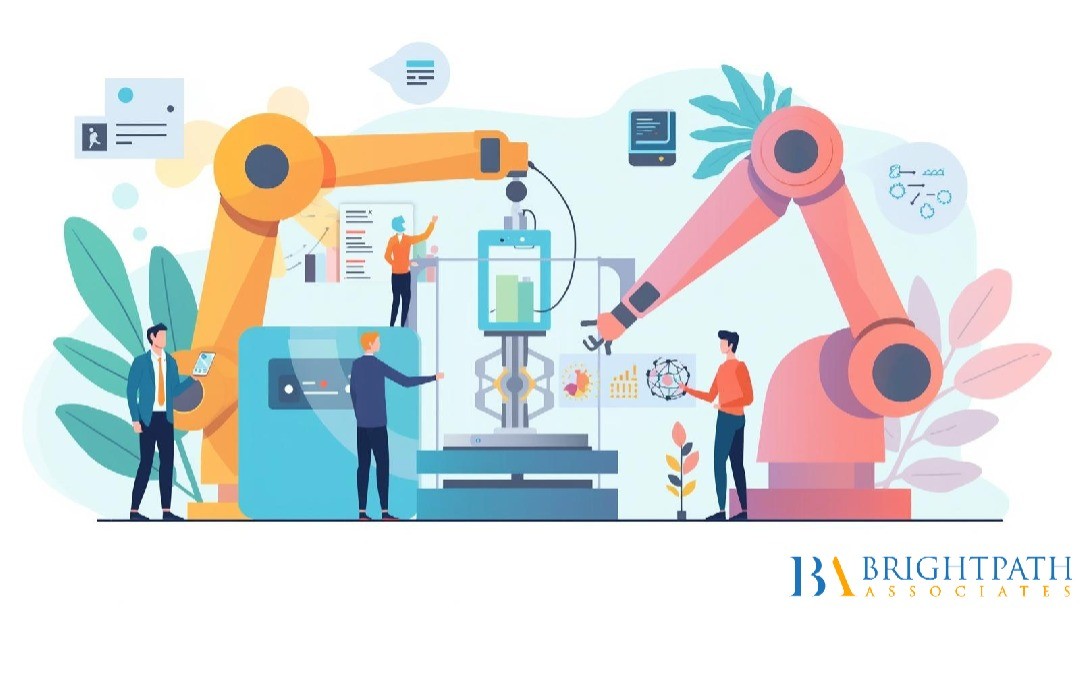
#DigitalTransformation is profoundly redefining the automotive and manufacturing sectors. This shift is marked by the widespread adoption of industrial automation and robotics engineering, which significantly improves operational efficiency, increases production quality, and reduces overall operational costs. These advancements are not merely technological trends but represent a fundamental change in how manufacturing processes are perceived and executed. For businesses, embracing this transformation means strategically investing in smart technologies equipped with artificial intelligence (AI) to enhance predictive maintenance, thereby preventing costly downtime. Additionally, retraining their workforce to engage with these cutting-edge tools effectively is essential for maximizing return on investment. Companies that embrace these changes fully stand to gain a significant competitive edge and foster a culture of innovation among their employees, leading to better retention of talent and increased job satisfaction.
The Growing Need for Specialized Talent
Mechanical Engineering Jobs and Executive Search Recruitment
The demand for specialized talent within mechanical engineering is escalating rapidly, driven by the complexity of modern projects and the increasing reliance on advanced technologies. As roles evolve to meet these new challenges, the task of hiring executive talent becomes even more intricate. Companies are re-evaluating traditional recruitment practices, increasingly turning to executive search recruitment firms like Brightpath Associates, which specialize in identifying and placing top-tier professionals in highly specialized roles. These agencies offer industry-specific expertise and customized hiring solutions, ensuring that companies find the right fit for advanced positions, whether it be in innovative product development or cutting-edge research initiatives. As such, it’s becoming increasingly important for companies to invest in relationships with these firms, enabling them to secure not only skilled engineers but also transformative leaders who can drive the company’s strategic vision forward.
Leadership Challenges and Opportunities
A shortage of #LeadershipTalent has become a significant concern within the industry, prompting a shift in roles and expectations among mechanical engineering professionals. Industry experts are emphasizing the critical need for data-backed insights to effectively navigate these leadership challenges. Engineering consulting firms are emerging as strategic partners that provide invaluable guidance through the turbulence of market changes and technological advancements. Their expertise can help companies align their leadership structures with future industry needs while developing strategies to foster the next generation of engineering leaders. By prioritizing mentorship, continuous learning, and inclusive workplace cultures, businesses can nurture internal talent, preparing them for leadership roles and enhancing organizational resilience against market fluctuations.
Engineering Consulting as a Strategic Partner
Engineering consulting firms do more than offer strategic guidance; they serve as vital allies to companies navigating complex industry changes. Their expertise allows businesses to align operational objectives with technological advancements seamlessly, ensuring that companies remain competitive in a landscape defined by rapid innovation. By leveraging their insights, businesses can make informed decisions that drive growth and innovation, embracing data analytics to foster better project outcomes and resource optimization. Furthermore, these consulting partners often provide access to a broader network of industry contacts, facilitating collaborations that can lead to unique opportunities and solutions that drive future growth.
Strategic Solutions for Executive Hiring
Importance of Executive Search Recruitment
#ExecutiveSearchRecruitment emerges as a crucial component for overcoming pervasive leadership gaps within mechanical engineering firms. Navigating the evolving demands of this industry requires that companies secure top-tier talent capable of driving innovation and maintaining a competitive edge in the marketplace. Specialized recruitment agencies provide essential services, tailored approaches, and deep industry knowledge that help companies effectively address their leadership challenges. With their help, firms can ensure they maintain a strong executive team that is poised to succeed and adapt in the face of ever-changing industry dynamics, thus supporting long-term strategies for ongoing development and growth.
Emerging Trends and Future Outlook
Robotics Engineering and Industrial Automation
Robotics engineering and industrial automation are poised to be paramount in reshaping the trajectory of the mechanical engineering industry. These technologies promise to revolutionize production methods, enhancing operational efficiencies, minimizing human error, and significantly reducing costs over time. Encouraging companies to adopt forward-thinking strategies is imperative to remain relevant in a quickly changing environment. The practical application of robotics can also enhance workplace safety, allowing employees to focus on higher-level tasks as dangerous jobs are performed by machines. As a result, organizations must prioritize the development of their workforce’s capabilities to match these technological advancements, ensuring that employees possess the skills needed to thrive in an automated future.
Preparing for the Future
To effectively navigate and capitalize on these trends in 2025, C-suite executives, and mechanical #EngineeringCompanies must adopt a proactive mindset. Actionable insights suggest that embracing digital transformation, investing in comprehensive workforce training programs, and seeking out strategic recruitment services will pave the way for success. Furthermore, fostering an organizational culture that values adaptability and continuous improvement will empower teams to embrace change. Companies that adapt to these changes early will likely outpace their competitors in innovation and market presence, strengthening their positions as leaders in the mechanical engineering sector.
Conclusion
Embracing industry trends and recruiting executive talent are key components in ensuring sustainable growth and competitive advantage in a rapidly evolving market. As mechanical engineering companies look to the future, understanding and integrating these emerging trends will be essential to building resilience and thriving in an era defined by change. By leveraging strategic recruitment services and consulting partnerships, businesses can navigate the complexities of 2025 with confidence, ensuring they are well-prepared for the challenges and opportunities that lie ahead in this dynamic industry landscape.
Find your next leadership role in Mechanical Engineering Industry today!
Stay informed with the latest insights on Mechanical Engineering Industry!