
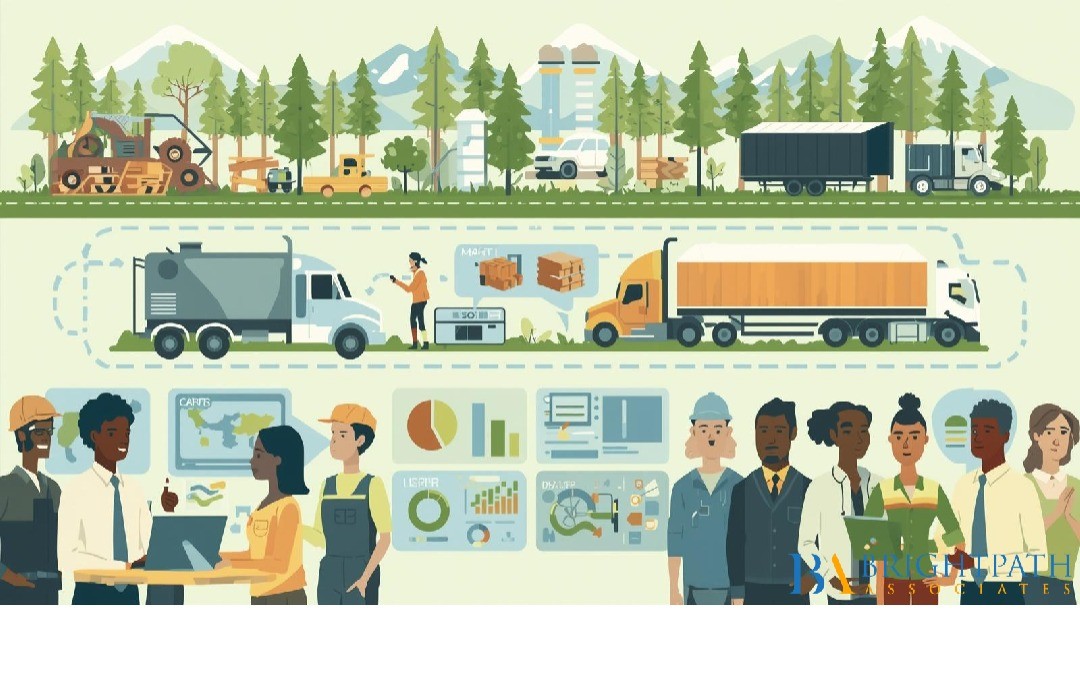
Understanding the Current Landscape
Trends in the Forest Products Industry
The #ForestProductsIndustry stands on the cusp of dynamic changes, woven intricately with advances in technology and shifting consumer demands. Innovations in areas such as paper recycling solutions and wood product manufacturing are driving forward the prospects of sustainability and efficiency. The industry is witnessing a fusion of digital technology with traditional practices, marking a significant shift in how businesses operate and compete. This transformation is further accelerated by the increasing demand for eco-friendly products, which necessitates a comprehensive reevaluation of supply chain processes to incorporate more sustainable methods. As more consumers consciously opt for products that showcase environmental responsibility, businesses that are early adopters of sustainable practices are likely to benefit from a competitive edge.
Innovations in Forest Product Supply Chains
Recent advancements have seen supply chains become more interconnected and automated, leading to improved efficiency and reduced waste. Innovations in paper and pulp technology pave the way for smarter operations, enabling companies to respond swiftly to market changes and consumer trends. These developments not only enhance the production processes but also elevate the value chain by minimizing environmental footprints. The integration of Internet of Things (IoT) systems allows for real-time monitoring and data analysis, providing stakeholders with critical insights that inform better decision-making. Such insights help identify bottlenecks in the production process and align supply chain activities more closely with customer needs, creating an agile response mechanism to unforeseen challenges.
Role of Timber Harvesting and Lumber Industry Trends
The #TimberHarvestingSector is experiencing transformative trends, shifting toward more sustainable methods to meet growing legal and consumer expectations. Lumber industry trends reflect a renewed focus on sustainable sourcing and enhanced efficiency in harvesting techniques that ensure minimal ecological disruption. These advancements are essential in addressing the global demand for sustainable materials while ensuring compliance with forestry regulations. The sector is increasingly adopting practices such as selective logging and reforestation, which not only help sustain ecosystems but also contribute positively to communities dependent on forestry for their livelihoods. These sustainable practices also enhance the industry’s reputation, making it more appealing to a socially conscious consumer base.
Challenges Faced by Supply Chains
Impact of Disruptive Events on Paper and Pulp Technology
Supply chains in the forest products sector have not been immune to recent disruptions, such as pandemics, trade conflicts, and climate change. Disruptive events pose significant threats to the stability of paper and pulp technology operations, leading to delays and increased costs. The need for adaptable and robust supply chains has never been more evident, as companies struggle to balance operational efficiency with responsiveness to unforeseen challenges. Organizations must develop contingency plans that are flexible enough to accommodate sudden spikes in demand or prevent supply shortages, which could otherwise cripple operations. Furthermore, investing in digital transformation helps businesses predict trends more accurately and improve supply chain resilience.
Economic Factors Affecting the Paper Industry
The #PaperIndustry is subject to various economic pressures, including fluctuating raw material costs and changing consumer expectations. Understanding the complex paper industry economics is crucial for companies to navigate these challenges effectively. Companies must be agile in their approach to maintain competitiveness in an ever-evolving market landscape. For instance, fluctuations in the prices of wood pulp and recycled materials can significantly impact production costs, necessitating effective cost management strategies. Additionally, tracking consumer trends and adjusting product offerings accordingly becomes paramount to capture changing preferences and maintain market share.
The Influence of Forestry Regulations
Forestry regulations play a pivotal role in shaping the operations and strategies within the forest products industry. Compliance with these regulations is not just about meeting legal requirements; it’s about fostering sustainable practices that will safeguard the future of the industry. As regulations continue to tighten, companies must adapt to these changes to avoid potential setbacks, such as fines or damage to their reputation. Staying ahead of the curve involves proactively engaging with policy developments and participating in industry advocacy efforts to shape favorable policies. Moreover, companies that embrace compliance as a core element of their operations are likely to build stronger stakeholder relationships, which can further bolster their brand trust and loyalty among consumers.
Strategies for Building Resilience
Sourcing Sustainable Materials
One of the primary strategies for building resilience is the shift towards sourcing sustainable materials. This approach not only complies with forestry regulations but also aligns with #GlobalEnvironmentalGoals. Companies that prioritize sustainability are better positioned to withstand disruptions and maintain their market position. By investing in sustainable material sourcing, businesses can mitigate risks associated with resource scarcity and fluctuating prices, thus enhancing their supply chain stability. A commitment to ethical sourcing can also open new market opportunities, including collaborations with environmentally conscious brands and consumers seeking greater transparency and accountability in their purchasing choices.
Implementing Advanced Paper Recycling Solutions
Innovative paper recycling solutions are pivotal in reducing waste and promoting sustainability within supply chains. By adopting cutting-edge recycling technologies, companies can minimize their environmental impact and meet the increasing consumer demand for green products. Techniques such as closed-loop recycling systems not only reduce reliance on virgin materials but also significantly lower the carbon footprint of production processes. Emphasizing the importance of adopting a circular economy mentality can transform the way organizations perceive waste, seeing it instead as a resource for new materials. Collaborating with recycling institutions and investing in research can pave the way for further innovations that enhance recycling capabilities across the industry.
Adopting Paper and Pulp Technological Advances
Staying ahead in the competitive landscape requires embracing technological advances in paper and pulp production. Automation and digital solutions enable companies to streamline operations, reduce costs, and improve overall efficiency. Such technological adaptations are key to navigating disruptions effectively and ensuring seamless processes from raw material procurement to distribution. Implementing sophisticated data analytics tools can empower companies to optimize inventory levels, #ForecastDemandAccurately, and allocate resources efficiently. Furthermore, the adoption of artificial intelligence (AI) in manufacturing can provide insights that enhance product quality while reducing waste, thus offering a substantial competitive advantage going forward.
The Role of Executive Search Recruitment in Forest Products Industry
Addressing Leadership Gaps and Talent Shortages
Leadership gaps and talent shortages are significant challenges that the forest products industry faces today. The role of executive search recruitment becomes crucial in identifying and attracting skilled leaders who can drive innovation and adapt to industry challenges. Filling these gaps promptly ensures business continuity and resilience, allowing companies to remain agile and forward-thinking amidst constant change. To effectively tackle these shortages, organizations may need to reevaluate their recruitment strategies, considering flexibility in job descriptions and emphasizing skill sets over traditional qualifications. This shift not only widens the talent pool but also promotes diversity, bringing fresh perspectives to the industry.
Evolution of Recruitment Practices 2023-2025
The #RecruitmentLandscape is evolving rapidly, influenced by diverse factors such as technological advancements and changing job market dynamics. Between 2023 and 2025, recruitment practices are expected to become more strategic and data-driven, focusing on matching the right talent with the right roles to enhance organizational growth. Utilizing artificial intelligence algorithms can streamline the recruitment process, allowing companies to identify candidates with the necessary competencies more efficiently. Furthermore, fostering relationships with educational institutions and industry organizations can create a pipeline of talent eager to engage with the forest products sector. By adopting a proactive approach to recruitment, companies can ensure they are well-equipped to tackle future challenges.
Case Studies on Effective Executive Search Recruitment
Several case studies highlight the successful integration of #ExecutiveSearchRecruitment within the forest products industry. Companies that have embraced these practices have reported improved leadership quality and better alignment with their strategic objectives. These examples serve as a testament to the importance of strategic recruitment in building resilient supply chains. For instance, organizations that focused on leadership development programs as part of their recruitment strategy have seen enhanced employee engagement and retention rates, which are crucial for maintaining continuity in operations. Additionally, organizations that prioritize cultural fit alongside skills in their recruitment processes often create a more cohesive work environment, which fosters innovation and collaboration.
Conclusion
Summary of Key Points
The forest products industry is at a critical juncture, facing both opportunities and challenges in equal measure. From embracing advanced technologies to addressing economic and regulatory pressures, industry leaders must adopt innovative strategies to stay ahead. Emphasizing sustainable practices, technological advancements, and strategic talent acquisition will be instrumental in navigating the complexities of the sector.
Final Recommendations for Industry Leaders
For those navigating the complexities of the forest products industry, embracing sustainability, enhancing technological capabilities, and prioritizing strategic recruitment are key steps toward building a resilient supply chain. By focusing on sustainable and forward-thinking practices, companies can not only navigate disruptions but thrive in a rapidly changing world. It is crucial for leaders to remain vigilant, stay informed of emerging trends, and foster a culture of adaptability that can respond effectively to future challenges, ensuring long-term success and sustainability in the forest products sector.
Find your next leadership role in Paper & Forest Industry today!
Stay informed with the latest insights on Paper & Forest Industry!