
Introduction
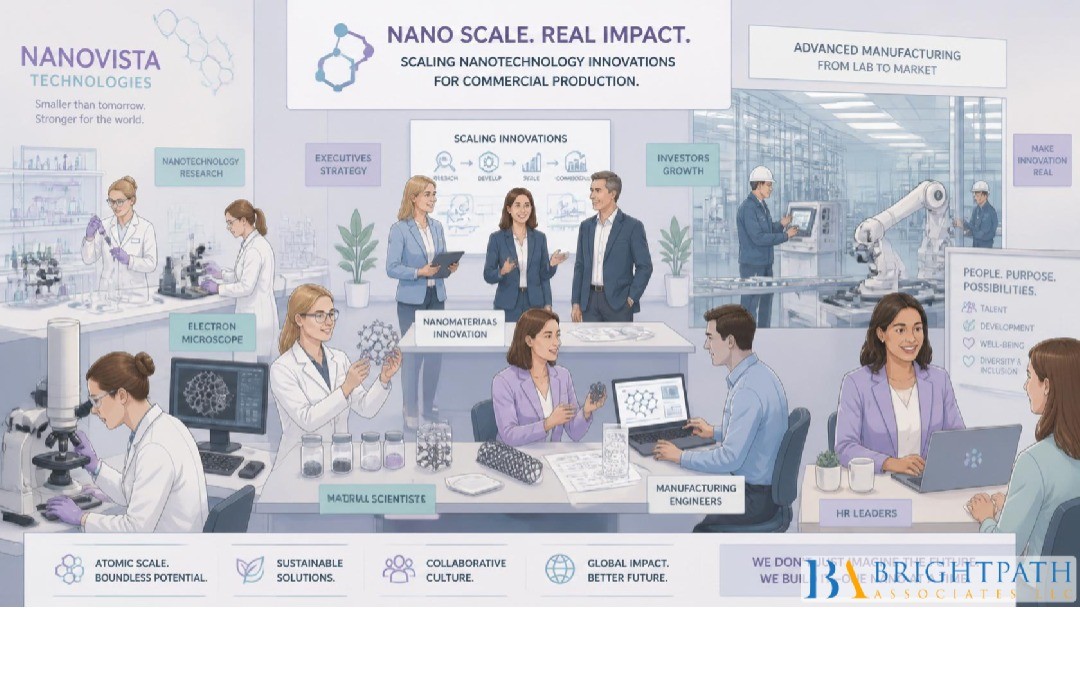
#NanotechnologyIndustry, the science of manipulating matter at the atomic and molecular scale, has emerged as a cutting-edge discipline with revolutionary potential across various sectors. As industries seek to harness its transformative power, the challenge lies in effectively scaling up nanotechnology from laboratory innovation to commercial viability. This document explores the strategic pathways and considerations involved in the commercialization of nanotechnology, focusing on current trends, challenges, and opportunities.
Nanotechnology Innovation and Market Dynamics
Nanotechnology innovation is driving substantial changes in industries ranging from healthcare to energy. The nanotechnology market is experiencing rapid expansion, with predictions suggesting exponential growth over the coming decades. This expansion is fueled by the increasing demand for more efficient, sustainable, and cost-effective solutions. As companies strive to capitalize on these opportunities, they must navigate a complex landscape of technological advancements, regulatory requirements, and market expectations.
Leveraging Nanotechnology Machine Learning and Data Analytics
In the quest for commercialization, the integration of nanotechnology machine learning (ML) and nanotechnology #DataAnalytics has become pivotal. These technologies provide valuable insights into material properties, manufacturing processes, and product performance, enabling companies to optimize their operations and reduce time-to-market. Machine learning algorithms can predict the behavior of nanoparticles, while data analytics helps in understanding complex datasets, leading to more informed decision-making.
Simulation and Modeling in Nanotechnology
Nanotechnology simulation and modeling are essential tools for predicting how nanomaterials will behave in real-world applications. These techniques allow researchers and engineers to visualize molecular interactions and assess the potential impacts of various design choices. By utilizing simulations, companies can mitigate risks, streamline development processes, and enhance the reliability of their products. Accurate modeling is crucial not only for product development but also for ensuring regulatory compliance and safety standards.
Securing nanotechnology intellectual property (IP) is a critical aspect of commercialization. A robust IP strategy protects innovations from competitors, encourages investment, and facilitates market entry. However, the unique nature of nanotechnology presents challenges in patenting, as it often involves interdisciplinary approaches and novel materials. Simultaneously, #NanotechnologyRisk assessment is vital to address potential health, environmental, and ethical concerns associated with nanomaterials. Comprehensive risk management strategies are necessary to build public trust and ensure sustainable development.
Sustainability and Nanotechnology
Nanotechnology sustainability is a key consideration for businesses aiming to scale their operations. Sustainable practices in nanotechnology involve the responsible sourcing of raw materials, energy-efficient manufacturing, and the development of eco-friendly products. The integration of sustainable practices not only enhances brand reputation but also aligns with global trends toward reducing environmental impact. Companies must balance innovation with environmental responsibility to achieve long-term success.
The application of nanotechnology in healthcare is one of the most promising areas for commercial growth. Innovations such as targeted drug delivery systems, advanced diagnostic tools, and regenerative medicine are revolutionizing the field. #NanotechnologyHealthcare solutions offer the potential for more personalized and effective treatments, improving patient outcomes and reducing healthcare costs. However, the path to commercialization in this sector involves navigating stringent regulatory frameworks and ensuring the safety and efficacy of nanotechnology-based products.
Executive Search Recruitment in Nanotechnology
As the nanotechnology market expands, the demand for skilled professionals in this field is increasing. #ExecutiveSearchRecruitment plays a crucial role in identifying and attracting top talent to lead innovation and commercialization efforts. Companies must invest in building a workforce that possesses the necessary expertise in nanotechnology, machine learning, data analytics, and risk management. A strategic approach to recruitment ensures that organizations have the leadership and technical capabilities required to thrive in a competitive market.
Conclusion
The commercialization of nanotechnology represents a significant opportunity for industries to drive innovation and achieve competitive advantage. By leveraging advancements in machine learning, data analytics, simulation, and modeling, companies can optimize their operations and accelerate the transition from research to market. Addressing intellectual property, risk assessment, sustainability, and healthcare applications is essential for successful commercialization. As the nanotechnology market continues to evolve, organizations must remain agile and proactive in their strategies to capitalize on this rapidly growing field. Through strategic planning and investment in talent, businesses can unlock the full potential of nanotechnology and contribute to a more sustainable and technologically advanced future.
Find your next leadership role in Nanotechnology Industry today!
Stay informed with the latest insights on Nanotechnology Industry!