
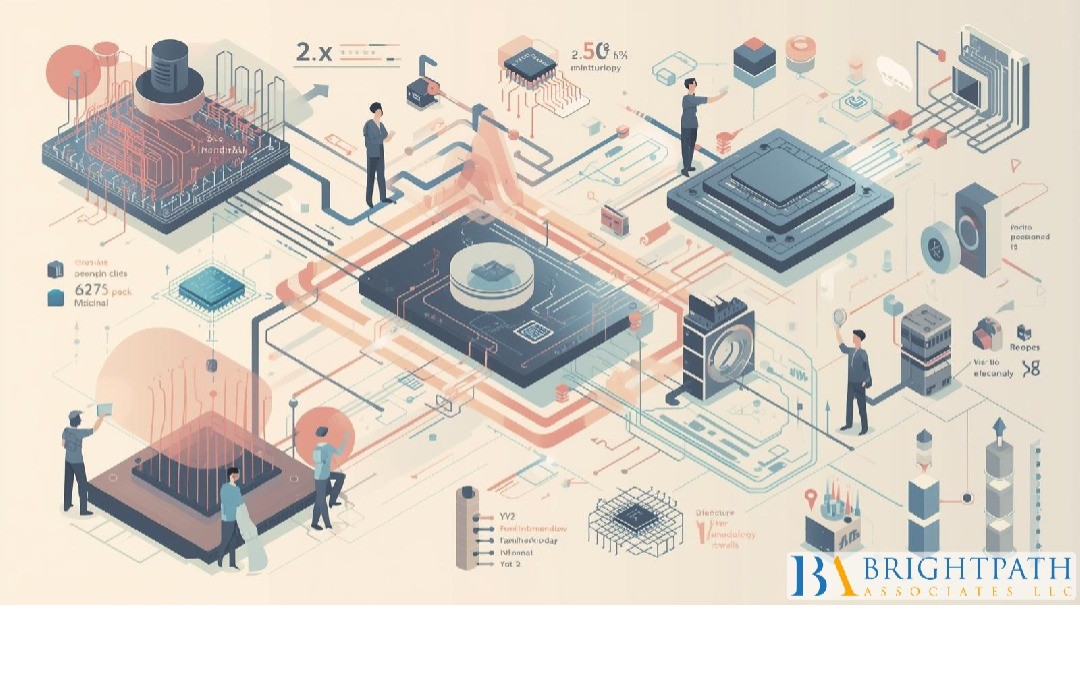
The Expanding Role of Nanotechnology in Modern Electronics
Nanotechnology has moved from a specialized research domain to a foundational pillar of the #GlobalElectronicsEcosystem. Advances in nanoscale materials, semiconductor miniaturization, and intelligent system design are reshaping everything from consumer electronics and data centers to healthcare devices and energy-efficient infrastructure. As electronic components approach physical limits, nanotechnology innovation has become essential for sustaining performance improvements, cost efficiency, and product differentiation.
Global industry estimates indicate that the nanotechnology-enabled electronics market is growing at a compound annual rate exceeding 14%, driven by demand for smaller, faster, and more energy-efficient devices. This rapid expansion has placed unprecedented pressure on leadership teams within small to mid-sized nanotechnology companies to scale innovation while managing complexity, intellectual property, and commercialization risks.
Market Trends Driving Nanotechnology Adoption in Electronics
One of the most significant trends shaping the electronics market is the convergence of nanotechnology with artificial intelligence and advanced computing. Nanotechnology AI applications are increasingly used to optimize chip architectures, enhance sensor performance, and accelerate real-time data processing. Similarly, nanotechnology machine learning models are improving defect detection, materials discovery, and predictive maintenance across electronics manufacturing environments.
At the same time, nanotechnology data analytics is enabling companies to extract actionable insights from nanoscale simulations and experimental datasets. These capabilities are critical as electronics manufacturers rely more heavily on nanotechnology modeling and nanotechnology simulation to reduce development cycles and manage rising R&D costs. Collectively, these trends are accelerating innovation but also raising the bar for leadership competence across scientific, operational, and commercial domains.
Leadership Complexity in a High-Growth, High-Risk Environment
As nanotechnology becomes embedded in mainstream electronics, leadership roles are evolving rapidly. Executives are no longer expected to oversee isolated research teams; they must now integrate multidisciplinary functions spanning materials science, software engineering, regulatory compliance, and global supply chains. This shift has significantly expanded the scope of executive accountability.
Industry workforce analyses show that more than 55% of nanotechnology firms report difficulty hiring senior leaders with both technical depth and commercialization experience. The challenge is particularly acute for companies operating at the intersection of #NanotechnologySustainability, healthcare applications, and advanced electronics, where regulatory scrutiny and ethical considerations add additional layers of complexity.
Executive Talent Shortages from 2023 to 2025
The talent shortage affecting nanotechnology leadership has intensified over the past three years. As demand for nanotechnology IP expertise grows, competition for executives who understand patent strategy, licensing models, and cross-border IP protection has become fierce. These leaders are critical for safeguarding innovation in an environment where nanotechnology risk assessment is increasingly tied to investor confidence and long-term valuation.
Data from executive hiring trends indicates that leadership roles in nanotechnology-focused electronics companies take significantly longer to fill than comparable roles in traditional electronics firms. This delay has tangible consequences, including slower time-to-market, stalled partnerships, and missed funding opportunities. For small to mid-sized companies, prolonged leadership gaps can threaten overall market relevance.
Shifting Executive Role Expectations in Nanotechnology Firms
#ExecutiveExpectations in nanotechnology-driven electronics have shifted markedly since 2023. Technical expertise remains essential, but it is no longer sufficient on its own. Leaders are now expected to translate nanotechnology innovation into scalable products, manage interdisciplinary teams, and align R&D investments with market demand.
In addition, executives must demonstrate fluency in nanotechnology sustainability principles. Electronics manufacturers are under increasing pressure to reduce environmental impact through energy-efficient designs, recyclable materials, and responsible manufacturing practices. Leaders who understand how nanotechnology can support sustainability goals are becoming highly sought after, further tightening the executive talent pool.
The Strategic Importance of Workforce and Capability Alignment
Nanotechnology-enabled electronics require a workforce that blends scientific expertise with digital proficiency. As nanotechnology machine learning and data analytics tools become standard, leadership must guide workforce transformation initiatives that upskill engineers, researchers, and operations teams. This responsibility places additional strategic demands on executives, particularly in fast-scaling organizations.
Without experienced leadership, companies risk misalignment between technological capability and business strategy. Poor integration of nanotechnology modeling, simulation, and analytics can result in inefficient R&D spending and fragmented innovation pipelines. Strong executive leadership is therefore a critical factor in converting technical potential into sustained commercial success.
Recruitment Challenges in a Specialized Talent Market
Recruiting senior leaders for #NanotechnologyCompanies presents unique challenges due to the scarcity of candidates with hybrid skill sets. Traditional hiring methods often fail to identify executives who combine deep scientific knowledge with strategic, financial, and operational expertise. As a result, many organizations struggle to assess leadership readiness for complex, innovation-driven environments.
This challenge is compounded by the global nature of nanotechnology research and electronics manufacturing. Leaders must navigate international regulations, collaborative research models, and geographically distributed teams. These requirements have driven a fundamental shift in how companies approach executive hiring.
The Evolution of Executive Search Recruitment
#ExecutiveSearchRecruitment has evolved into a strategic function within nanotechnology-focused electronics firms. Rather than reacting to vacancies, companies are increasingly using executive search recruitment to proactively build leadership pipelines aligned with long-term growth objectives. Specialized search partners bring industry insight, technical screening capabilities, and access to passive talent unavailable through conventional channels.
Executive search recruitment also supports risk mitigation by thoroughly evaluating candidates’ experience in nanotechnology IP management, regulatory environments, and commercialization pathways. This approach is especially valuable in sectors such as nanotechnology healthcare and advanced electronics, where leadership missteps can carry significant financial and reputational consequences.
Executive Search as a Catalyst for Competitive Advantage
For small to mid-sized nanotechnology companies, executive search recruitment can serve as a competitive differentiator. By securing leaders who understand nanotechnology AI, machine learning integration, and sustainability-driven innovation, organizations position themselves to respond more effectively to market shifts.
Brightpath Associates supports this strategic imperative by focusing on executive search recruitment tailored to technology-driven industries. Through a deep understanding of nanotechnology and electronics market dynamics, the firm helps organizations identify leaders capable of navigating talent shortages, accelerating innovation, and building resilient leadership teams.
Preparing Leadership for the Next Phase of Nanotechnology in Electronics
Looking ahead, the #ElectronicsSector will continue to rely on nanotechnology as a driver of performance, efficiency, and differentiation. From advanced sensors and processors to healthcare devices and sustainable electronics, nanotechnology will shape competitive outcomes across multiple markets.
For C-suite executives and founders, addressing leadership gaps is a strategic priority rather than an operational concern. Companies that invest in executive search recruitment today will be better positioned to manage complexity, protect innovation, and scale responsibly through 2025 and beyond. In an industry defined by rapid change and high stakes, the right leadership remains the most critical asset for long-term success.
Find your next leadership role in Nanotechnology Industry today!
Stay informed with the latest insights on Nanotechnology Industry!