
Introduction
In the evolving landscape of the dairy industry, mid-sized dairies face unique challenges and opportunities. As they strive to keep up with advancements in #MilkProductionTechnologies and dairy automation technologies, the need for strategic upgrades becomes essential. With careful planning and investment in low-capital expenditure (CapEx) solutions, these dairies can enhance their productivity, sustainability, and competitiveness in the market. This article explores three impactful upgrades that can modernize mid-sized dairies while keeping financial outlays in check.
Enhancing Milk Production with Automated Milking Systems
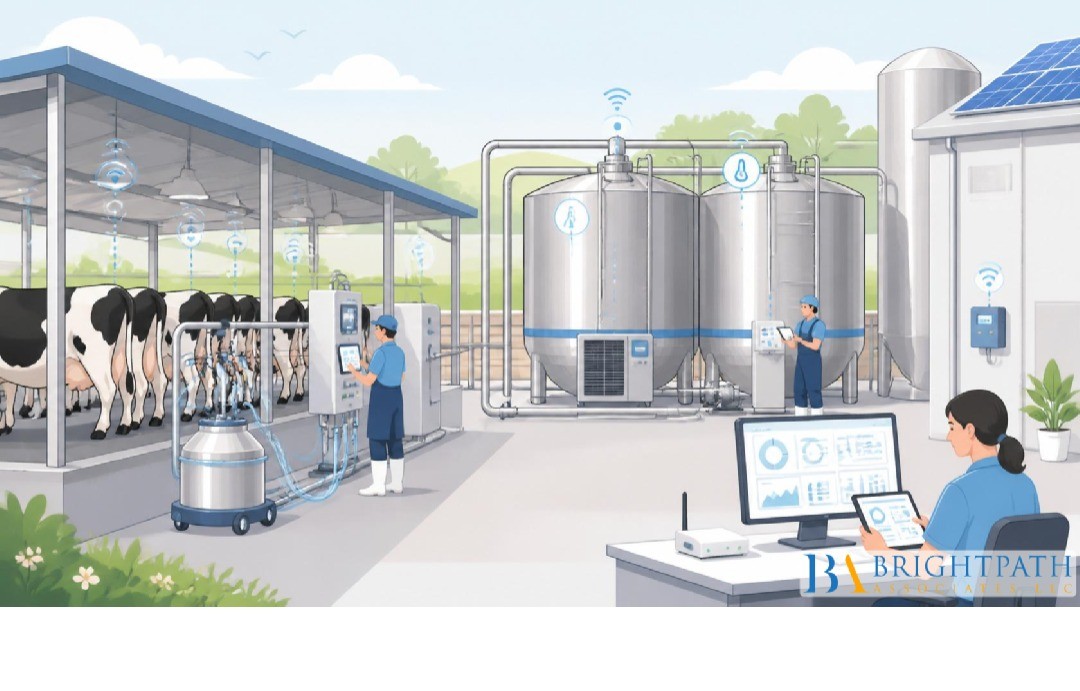
The advent of dairy automation technologies has revolutionized how milk is collected and processed. Automated milking systems (AMS), also known as robotic milking, offer a low-CapEx solution that can transform a mid-sized dairy’s productivity. By investing in AMS, dairies can optimize labor usage, increase milk yield, and improve animal welfare.
AMS reduces the reliance on manual labor, which is a critical consideration given the challenges in the dairy industry #ExecutiveSearchRecruitment for skilled workers. With labor costs minimized, dairies can allocate resources more efficiently. Moreover, these systems facilitate consistent milking schedules, leading to higher milk yields and improved udder health. Cows benefit from a stress-free environment where they can be milked at their own pace, enhancing both productivity and animal welfare.
For mid-sized dairies, the transition to AMS can be achieved through phased implementation. Starting with a smaller number of robotic units allows dairies to gradually adapt to the technology and recoup initial investments through increased productivity. As part of dairy industry #GrowthStrategies, this approach minimizes financial risk while maximizing potential gains.
Sustainable Dairy Farming Practices with Precision Agriculture
Sustainability is a key focus in modern agriculture, and mid-sized dairies are no exception. Implementing sustainable dairy farming practices not only contributes to environmental conservation but also enhances operational efficiency. Precision agriculture, with its data-driven approach, offers a low-CapEx pathway to sustainability.
Precision agriculture employs technologies such as drones, soil sensors, and GPS-guided equipment to optimize resource use. For dairies, this means precise feed management, efficient water usage, and targeted fertilizer application. By reducing waste and enhancing resource efficiency, dairies can lower operational costs and minimize their environmental footprint.
For mid-sized dairies, adopting precision agriculture requires an initial investment in technology but offers substantial long-term savings. The ability to monitor and adjust inputs in real-time leads to improved crop yields and better quality feed for livestock. This not only supports #FoodTechnology advancements but also aligns with consumer demand for sustainable dairy products.
Advancing Dairy Supply Chain Management with Digital Transformation
The digital era offers unprecedented opportunities for mid-sized dairies to streamline their operations and expand market reach. Dairy industry digital transformation is pivotal in enhancing dairy #SupplyChainManagement. By embracing digital tools, dairies can optimize logistics, improve inventory management, and foster stronger customer relationships.
One of the most significant shifts in the dairy industry is the rise of dairy e-commerce. By establishing an online presence, mid-sized dairies can tap into new markets and increase sales. Digital platforms allow for direct consumer engagement, providing valuable insights into consumer preferences and trends. Additionally, online sales channels can reduce reliance on traditional distribution networks, offering greater flexibility and control over pricing and branding.
Digital tools such as inventory management software and logistics platforms enhance operational efficiency. Automated tracking and reporting systems provide real-time insights into supply chain performance, enabling dairies to make informed decisions. As part of a broader dairy industry growth strategy, digital transformation helps dairies respond swiftly to market changes and consumer demands.
Conclusion
For mid-sized dairies, modernizing the milk shed with low-CapEx upgrades is both feasible and beneficial. By investing in milk production technologies such as automated milking systems, adopting sustainable dairy farming practices through precision agriculture, and embracing the digital transformation of dairy supply chain management, these dairies can enhance productivity, sustainability, and market adaptability. As the dairy industry continues to evolve, strategic upgrades will be essential for maintaining competitiveness and meeting the demands of a dynamic marketplace. With careful planning and execution, mid-sized dairies can position themselves for success in the ever-growing landscape of dairy products production and dairy industry digital transformation.
Find your next leadership role in Dairy industry today!