
Introduction
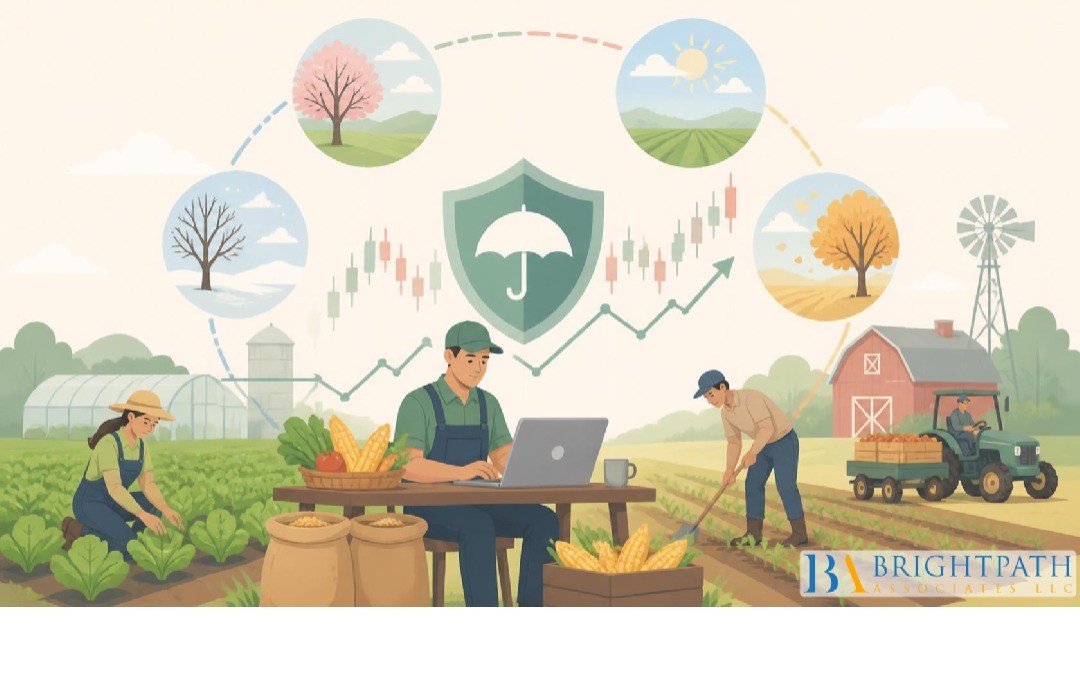
Seasonality risk is an inherent challenge for independent farms, influencing everything from crop yield to market prices. This volatility can significantly impact an agricultural business’s profitability and sustainability. However, financial hedging strategies provide a buffer against these risks. This article explores various strategies to mitigate seasonality risk, highlighting the importance of #AgriculturalTechnology and sustainable farming practices.
Understanding Seasonality Risk in Agriculture
Seasonality risk in agriculture refers to the fluctuations in agricultural production and prices due to seasonal variations. These variations can be caused by changes in weather patterns, pest infestations, and market demand. For independent farmers, these fluctuations can pose significant financial challenges, affecting everything from cash flow to long-term planning.
Futures contracts are one of the most common hedging tools used by farmers. These contracts allow farmers to lock in a price for their crops, regardless of market fluctuations. By doing so, they can ensure a stable income, even if market prices drop when it’s time to sell their produce. The use of futures contracts requires a good understanding of market trends and the ability to predict future market conditions accurately.
Options contracts provide farmers with the flexibility to sell their crops at a predetermined price, with the option to benefit from any favorable price changes. Unlike futures, options do not obligate the farmer to sell at the predetermined price, offering a safety net should market conditions improve. This strategy is particularly beneficial in volatile markets.
Crop insurance acts as a financial safety net for farmers, covering losses resulting from natural disasters, pest invasions, and other unforeseen events. By providing compensation for lost yield, crop insurance helps maintain financial stability and encourages sustainable farming practices.
The Role of Agricultural Technology
Agricultural technology plays a pivotal role in managing seasonality risk. Innovations in precision agriculture, farm management software, and digital farming help optimize farm operations, improve yield predictions, and enhance market strategies.
Precision agriculture utilizes technology to monitor and manage field variability in crops. By using GPS technology, sensors, and data analytics, farmers can make informed decisions on planting, fertilizing, and harvesting, thus improving crop yield and quality. Precision agriculture not only mitigates seasonality risk but also contributes to sustainable farming by reducing waste and enhancing resource efficiency.
#FarmManagementSoftware integrates various farm operations, providing real-time data and analytics to help farmers make strategic decisions. This software can track weather patterns, soil conditions, and crop growth, enabling farmers to anticipate and mitigate risks associated with seasonality. By improving operational efficiency, farm management software supports sustainable agriculture investment.
Digital farming encompasses the use of advanced technologies such as IoT, AI, and blockchain to improve agricultural practices. These technologies enable better resource management, enhance traceability, and provide insights into market trends, thereby reducing the impact of seasonality risk. Digital farming is a cornerstone of agricultural sustainability and innovation.
Sustainable Farming Practices
Incorporating sustainable farming practices is crucial for mitigating seasonality risk. By focusing on long-term agricultural sustainability, farmers can build resilience against market and environmental fluctuations.
Organic farming practices reduce dependency on chemical inputs, promote biodiversity, and improve soil health, making farms more resilient to environmental changes. By cultivating a diverse range of crops, organic farmers can better manage seasonality risk, ensuring a stable supply and demand cycle.
Investing in sustainable agriculture practices ensures long-term farm viability. Such investments can include adopting renewable energy sources, improving water management systems, and enhancing soil conservation techniques. Sustainable agriculture investment not only protects against seasonality risk but also supports global food production needs.
Importance of Agricultural Innovation
#AgriculturalInnovation is critical in addressing the challenges posed by seasonality risk. By fostering a culture of innovation, independent farms can develop adaptive strategies to mitigate risks and enhance their competitive edge.
Recruiting top talent through executive search recruitment can bring fresh perspectives and expertise to independent farms. By hiring professionals with experience in agricultural technology and innovation, farms can implement cutting-edge strategies to manage seasonality risk. This approach not only facilitates agricultural innovation but also ensures continuous growth and adaptation to market changes.
Conclusion
Mitigating seasonality risk is essential for the financial stability and sustainability of independent farms. By employing financial hedging strategies, leveraging agricultural technology, and adopting sustainable farming practices, farmers can effectively manage these risks. The integration of precision agriculture, farm management software, and digital farming not only enhances farm operations but also promotes agricultural sustainability. Additionally, investing in agricultural innovation and recruiting top talent through #ExecutiveSearchRecruitment can further strengthen a farm’s resilience against seasonality risk. By taking a proactive approach, independent farms can secure their future in the ever-changing agricultural landscape.
Find your next leadership role in Farming Industry today!