
Introduction
In the intricate world of #PlasticsManufacturing, the concept of micro-molding has emerged as a pivotal innovation. While traditional manufacturing often emphasizes large volumes and economies of scale, micro-molding flips the script by demonstrating how less volume can equate to greater margins. This nuanced method has profound implications not only for production processes but also for various aspects of the industry, including recruitment, supply chain management, and competitive positioning.
Understanding Micro-Molding
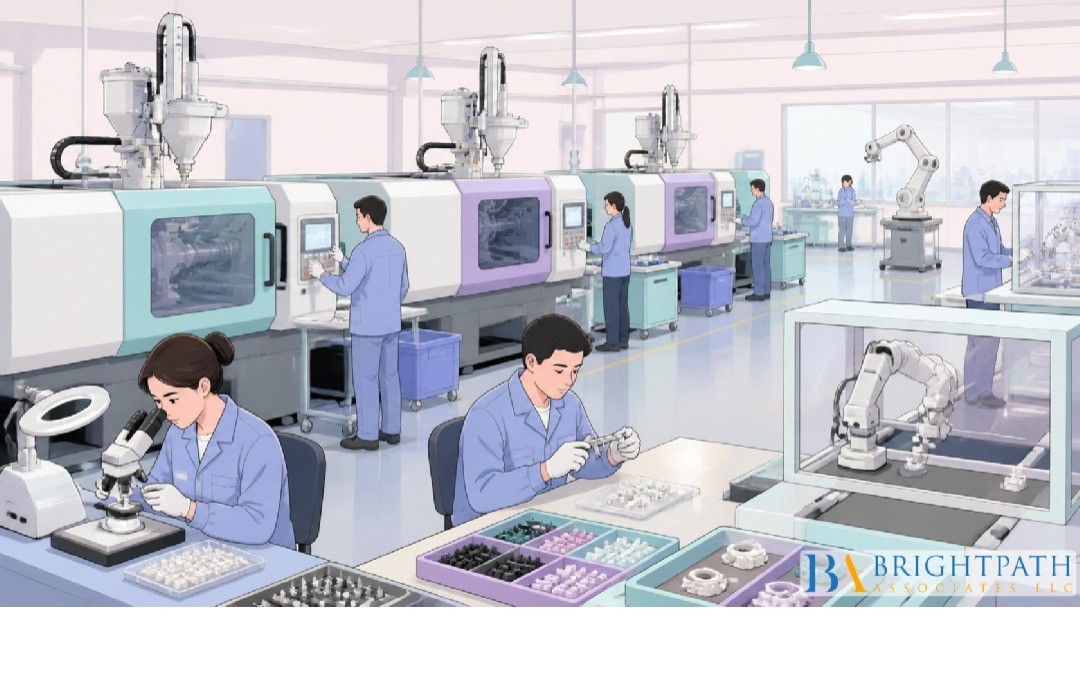
Micro-molding is a specialized process in the plastics industry that involves creating extremely small and precise components. Unlike conventional molding techniques, micro-molding is characterized by its ability to produce parts that often weigh less than a gram and have intricate features measured in micrometers. This precision is achieved through advanced plastics manufacturing technology investments, which facilitate the production of components with exceptional detail and consistency.
Micro-molding’s profitability is derived from its ability to cater to industries requiring high precision and small-scale components, such as medical devices, electronics, and micro-optics. These sectors often prioritize quality and specificity over sheer volume, allowing manufacturers to command higher prices for their products. This shift in focus from quantity to quality is reshaping the economic trends within the plastics industry.
The Role of Plastics Industry Recruiters
As micro-molding continues to gain traction, #PlasticsIndustryRecruiters are tasked with the challenge of identifying and attracting talent with the specific skills required for this niche. The demand for professionals who understand the intricacies of micro-molding technology, materials science, and precision engineering is surging. Executive search recruitment in this sphere focuses on finding individuals who possess not only technical expertise but also an innovative mindset that can drive further advancements in the field.
Recruiters must also be adept in understanding the broader plastics industry competitive analysis to identify talent that can navigate and excel in an evolving market. By aligning recruitment strategies with industry needs, companies can ensure they have the human capital necessary to maintain a competitive edge.
Supply Chain Management in Micro-Molding
Plastics industry supply chain management is crucial in micro-molding, where precision and timing are of the essence. Unlike traditional manufacturing, where large inventories are maintained, micro-molding relies on a lean supply chain that minimizes waste and maximizes efficiency. This efficiency is achieved through strategic partnerships with suppliers who can provide high-quality materials and components on demand.
Effective supply chain management also involves the integration of cutting-edge technology to monitor and optimize processes. By leveraging data analytics and real-time monitoring, companies can anticipate and mitigate risks, ensuring a seamless flow of materials and components. This proactive approach to plastics industry risk management is essential in maintaining profitability in micro-molding operations.
Competitive Analysis and Market Expansion
Micro-molding presents unique opportunities for plastics market expansion strategies. Companies that successfully integrate micro-molding into their offerings can tap into new markets and applications that were previously inaccessible. The ability to produce high-precision, small-scale components opens doors to industries such as aerospace, telecommunications, and biotechnology, where micro-components are in high demand.
Conducting a thorough plastics industry #CompetitiveAnalysis is vital for companies looking to expand their market presence. Understanding the competitive landscape allows businesses to identify gaps in the market and position themselves strategically. By leveraging their micro-molding capabilities, companies can differentiate themselves from competitors and capture a larger share of the market.
Risk Management in Micro-Molding
Effective plastics industry risk management is paramount in micro-molding, where precision and quality are non-negotiable. The stakes are high, especially in sectors like medical devices, where even the slightest deviation from specifications can have significant consequences. Companies must implement robust quality control measures and invest in advanced inspection technologies to ensure that every component meets stringent industry standards.
Risk management also involves safeguarding intellectual property, as micro-molding technology is often proprietary. Companies must establish strong legal frameworks to protect their innovations and maintain their competitive advantage. By prioritizing risk management, businesses can enhance their credibility and build trust with clients, further solidifying their position in the market.
Technology Investment and Innovation
Plastics manufacturing technology investment is a cornerstone of successful micro-molding operations. As the industry continues to evolve, companies must invest in the latest technologies to stay ahead of the curve. This includes state-of-the-art machinery capable of producing components with unparalleled precision, as well as software solutions that streamline design and production processes.
Moreover, the plastics industry #InnovationEcosystem plays a critical role in driving advancements in micro-molding. Collaboration between manufacturers, researchers, and technology providers fosters an environment of continuous improvement and discovery. By participating in this ecosystem, companies can access cutting-edge innovations and integrate them into their operations, enhancing both efficiency and profitability.
Strategic Partnerships and Global Leadership
In the quest for plastics industry global leadership, strategic partnerships are invaluable. Collaborating with other industry leaders, technology providers, and research institutions can accelerate the development of new technologies and applications. These partnerships enable companies to pool resources, share expertise, and access new markets, driving growth and innovation.
By establishing a network of strategic partnerships, companies can enhance their capabilities and position themselves as leaders in the micro-molding space. This collaborative approach not only strengthens their competitive position but also contributes to the overall advancement of the plastics industry.
Conclusion
Micro-molding represents a paradigm shift in the plastics industry, where less volume indeed means more margin. This innovative approach to manufacturing offers significant opportunities for profitability, driven by precision, quality, and niche market demand. From #ExecutiveSearchRecruitment and supply chain management to risk management and technology investment, every facet of the industry is impacted by the rise of micro-molding.
As companies navigate this evolving landscape, they must embrace innovation and strategic collaboration to achieve sustainable growth. By doing so, they can capitalize on the unique advantages of micro-molding and secure their place as leaders in the global plastics industry.